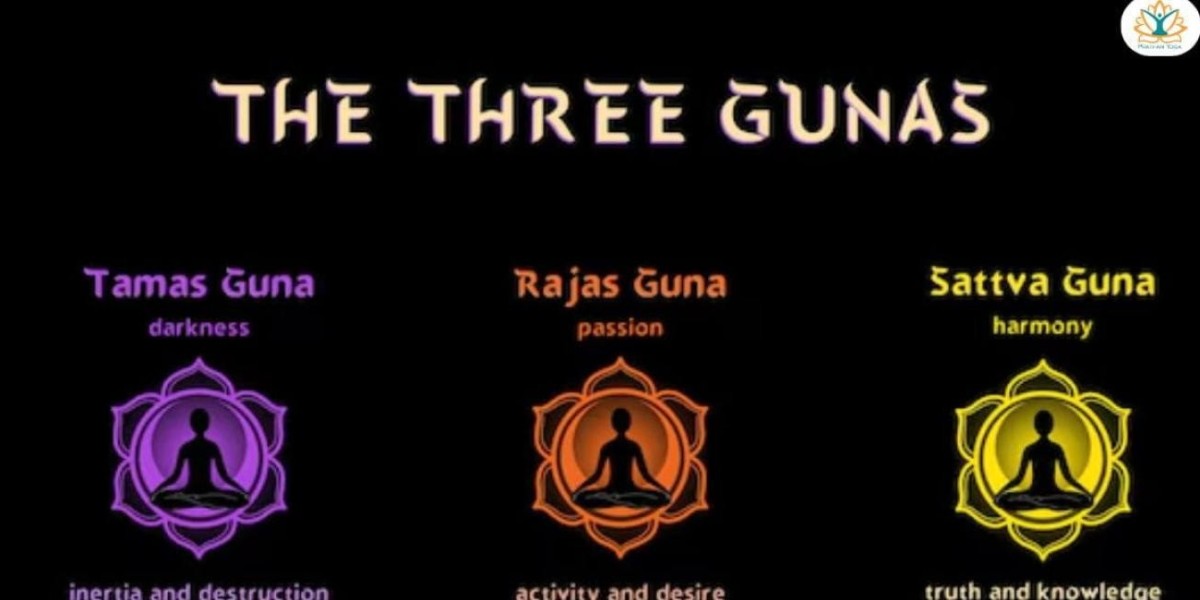

If you have ever explored Indian philosophy or spiritual teachings, you may have wondered, what are the gunas? The concept of the gunas is one of the most essential and insightful frameworks for understanding human behavior, personality, and spiritual development. Rooted in ancient Indian wisdom, particularly in texts like the Bhagavad Gita and the Upanishads, the gunas describe the three fundamental qualities that govern all of nature and human consciousness.
The term “guna” comes from Sanskrit and translates to “quality,” “attribute,” or “strand.” According to the Samkhya school of philosophy, everything in the universe—including the human mind—is composed of three dynamic energies: Sattva, Rajas, and Tamas. These three qualities constantly interact, influencing our thoughts, emotions, actions, habits, and spiritual growth.
To fully understand what are the gunas, we must explore each one in detail and examine how they shape our daily lives.
The Origin of the Gunas in Ancient Philosophy
The question “what are the gunas” cannot be answered without understanding their philosophical roots. In the Samkhya system, one of the oldest schools of Indian philosophy, the material world (Prakriti) is said to be composed of three gunas. These qualities are not moral categories of good and bad but natural forces that create diversity and movement in the universe.
In the Bhagavad Gita, particularly in Chapter 14, Lord Krishna explains how the three gunas bind the eternal soul (Atman) to the physical body and worldly experiences. Every human being is influenced by these qualities in different proportions, and this unique combination shapes personality, behavior, and destiny.
The three gunas are:
Sattva – purity, clarity, harmony
Rajas – action, passion, desire
Tamas – inertia, darkness, resistance
Each person contains all three gunas, but one or two may dominate at different times. The balance is constantly shifting depending on circumstances, environment, diet, company, and mental state.
Sattva: The Quality of Purity and Balance
When asking what are the gunas, Sattva is often described first because it represents the highest state of clarity and harmony. Sattva is associated with light, wisdom, peace, and balance. It promotes mental clarity, compassion, and spiritual awareness.
A person influenced by Sattva tends to:
Think clearly and rationally
Act with kindness and integrity
Seek truth and knowledge
Maintain emotional stability
Practice moderation and discipline
Sattva creates a sense of inner contentment. Instead of being driven by constant desire or fear, a Sattvic person feels calm and centered. Meditation, selfless service, gratitude, and a balanced lifestyle all help cultivate Sattva.
However, even Sattva can bind the soul if a person becomes attached to happiness or pride in knowledge. Therefore, while Sattva is the most harmonious of the three gunas, spiritual teachings emphasize eventually transcending all three.
Rajas: The Energy of Action and Desire
To further understand what are the gunas, we must examine Rajas. Rajas is the quality of movement, ambition, and activity. It is the force that drives change and motivates action. Without Rajas, there would be no progress, creativity, or achievement.
Rajasic qualities include:
Strong desires and ambitions
Competitive spirit
Restlessness and impatience
Attachment to outcomes
Constant mental activity
Rajas fuels productivity and goal-setting. In modern society, much of our professional and social life is driven by Rajasic energy. People work hard, pursue careers, build businesses, and strive for success because of Rajas.
However, excessive Rajas leads to stress, anxiety, and dissatisfaction. When a person becomes overly attached to results, they may experience frustration, anger, or burnout. The constant pursuit of more—more money, more recognition, more pleasure—can disturb inner peace.
Balancing Rajas with Sattva is essential. When guided by wisdom and ethical values, Rajasic energy becomes constructive rather than destructive.
Tamas: The Force of Inertia and Ignorance
The third answer to the question what are the gunas is Tamas. Tamas represents darkness, heaviness, and inertia. It is associated with ignorance, confusion, and resistance to change.
Tamasic qualities include:
Laziness or lack of motivation
Procrastination
Mental dullness or confusion
Excessive sleep
Avoidance of responsibility
While Tamas often carries negative connotations, it also has a necessary function. For example, sleep is a Tamasic state, but it allows the body and mind to rest. Stability and structure also contain elements of Tamas.
Problems arise when Tamas becomes dominant. A person may feel stuck, depressed, or disconnected from purpose. They may avoid growth or cling to unhealthy habits. Overcoming Tamas usually requires activating Rajas first—taking small, purposeful actions to generate movement—before cultivating Sattva.
How the Gunas Influence Daily Life
If you are still asking what are the gunas, it helps to observe them in everyday experiences. The gunas are not abstract ideas; they are visible in thoughts, emotions, behaviors, and even surroundings.
For example:
Waking up early to meditate reflects Sattva.
Working intensely toward a deadline reflects Rajas.
Oversleeping or binge-watching television reflects Tamas.
Even food is categorized according to the three gunas:
Fresh fruits, vegetables, and whole grains are considered Sattvic.
Spicy and highly stimulating foods are Rajasic.
Stale, processed, or overly heavy foods are Tamasic.
Environment also plays a role. A clean, peaceful space promotes Sattva. A busy, noisy environment increases Rajas. A dark, cluttered room enhances Tamas.
By becoming aware of these influences, we gain the power to shift our internal state.
The Constant Interaction of the Three Gunas
One important aspect of understanding what are the gunas is recognizing that they are dynamic. They constantly interact and compete for dominance. No one is permanently Sattvic, Rajasic, or Tamasic. The balance shifts throughout the day and across different stages of life.
Morning hours often feel more Sattvic—calm and clear. Midday tends to be Rajasic—active and productive. Late night may feel Tamasic—slow and heavy.
Life circumstances can also alter the balance. Success may increase Rajas, while failure may trigger Tamas. Spiritual practice gradually strengthens Sattva.
The key is not to eliminate Rajas or Tamas completely but to maintain harmony among them.
Spiritual Growth and Transcending the Gunas
Ancient teachings emphasize that the ultimate goal is not merely understanding what are the gunas but transcending them. In the Bhagavad Gita, a person who rises above the three gunas is described as steady in joy and sorrow, unaffected by praise or criticism, and free from attachment.
Transcendence means recognizing that the gunas belong to nature, not to the true Self. Through meditation, self-inquiry, devotion, and selfless action, individuals gradually detach from identification with these qualities.
When a person observes anger, laziness, or ambition without identifying with it, they begin to experience inner freedom. Instead of saying, “I am angry,” they recognize, “Rajas is active right now.” This shift in awareness is transformative.
Practical Steps to Balance the Gunas
If you want to apply this knowledge in daily life, here are some practical steps:
Develop self-awareness by observing thoughts and behaviors.
Create a daily routine that includes meditation or reflection.
Choose nourishing foods that promote clarity.
Engage in meaningful work without excessive attachment to results.
Maintain a clean and organized environment.
Seek uplifting company that encourages growth.
Small changes can gradually shift the internal balance toward Sattva while using Rajas constructively and minimizing excessive Tamas.
Conclusion: A Deeper Understanding of What Are the Gunas
So, what are the gunas? They are the three fundamental qualities—Sattva, Rajas, and Tamas—that shape all aspects of nature and human experience. They influence how we think, feel, act, and grow spiritually. Rather than labeling them as simply good or bad, ancient wisdom teaches us to understand their roles and interactions.
Sattva brings clarity and peace. Rajas drives ambition and action. Tamas provides stability but can lead to stagnation if unchecked. By recognizing these forces within ourselves, we gain insight into our behavior and the ability to cultivate balance.
Ultimately, the study of what are the gunas is a journey toward self-awareness and inner freedom. When we learn to observe these qualities without attachment, we move closer to a life of harmony, wisdom, and spiritual awakening.