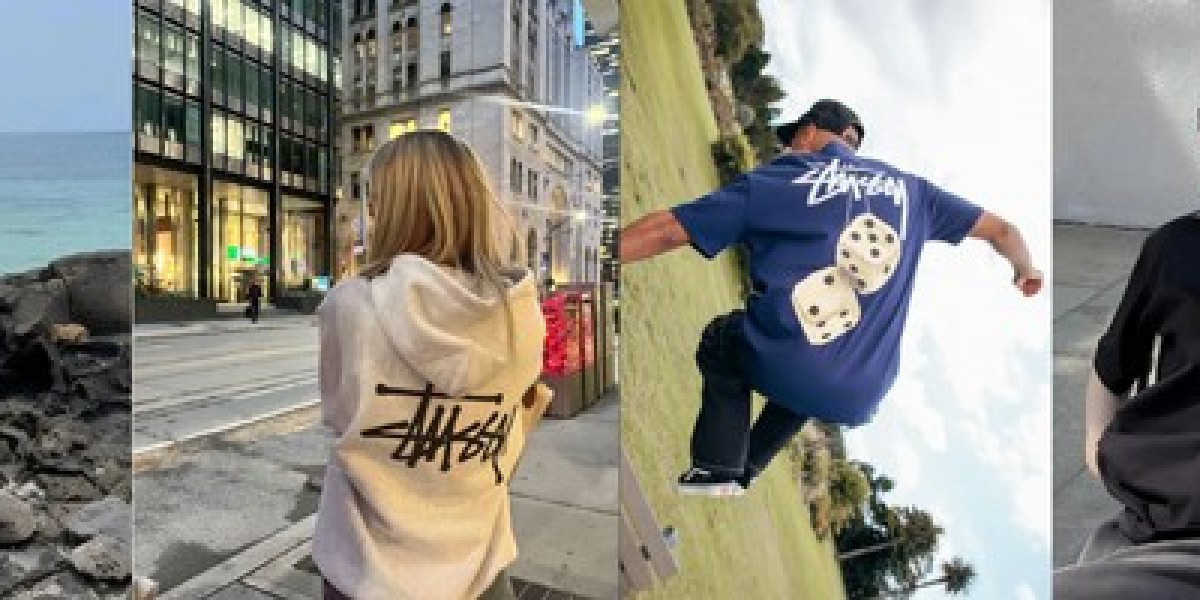

Stüssy is more than just a clothing brand — it’s a cultural icon that has shaped streetwear for over four decades. From its humble beginnings as a surf-inspired label in the 1980s to its current status as a global fashion powerhouse, Stüssy has consistently blended casual style, subcultural influence, and bold design. Understanding the evolution of Stüssy clothing offers insight into how a small brand became a cornerstone of streetwear culture.
1. The Early 1980s: Surf Roots and DIY Ethos
Stüssy was founded in the early 1980s by Shawn Stüssy in Laguna Beach, California. Originally, the brand focused on surfboards and surf apparel. Shawn started by scrawling his signature logo on boards, shorts, and T-shirts, selling them locally. This DIY approach became part of Stüssy’s identity.
Key characteristics of the early Stüssy line:
Hand-drawn logo graphics
Simple, functional designs suitable for surf culture
Lightweight T-shirts, shorts, and caps
Even in its surf-focused roots, Stüssy carried a rebellious and artistic energy that would later influence streetwear.
2. Late 1980s–Early 1990s: Streetwear Emergence
By the late 1980s, Stüssy began branching out beyond the surf scene. Skateboarders, punk enthusiasts, and hip-hop communities started gravitating toward the brand. This period marked the transition from niche surfwear to a broader streetwear aesthetic.
Iconic pieces from this era included:
Oversized T-shirts with bold graphics
Sweatshirts featuring the signature Stüssy script
Snapback caps and bucket hats
The brand embraced collaborations with subcultural communities and became a staple in urban fashion circles. Its signature logo became synonymous with a laid-back, rebellious lifestyle.
3. Mid-1990s: Global Expansion and Cultural Integration
During the mid-1990s, Stüssy expanded internationally, reaching Japan, Europe, and other parts of the world. Japan, in particular, played a pivotal role in solidifying Stüssy as a global streetwear brand. Japanese retailers and consumers embraced the unique blend of surf, skate, and hip-hop aesthetics, influencing future releases.
Key developments in this era:
Introduction of graphic-heavy hoodies and crewnecks
Limited edition drops that cultivated exclusivity
Collaborations with underground artists and musicians
By the mid-90s, Stüssy had transcended its surf origins, becoming a recognized label in streetwear culture worldwide.
4. 2000s: Designer Collaborations and Subcultural Influence
The early 2000s saw Stüssy collaborating with emerging designers, sneaker brands, and musicians. These partnerships reinforced the brand’s cultural relevance and introduced new audiences to its signature style.
Popular pieces included:
Logo-heavy sweatshirts and tees
Camouflage jackets and military-inspired outerwear
Exclusive footwear collaborations
During this period, Stüssy maintained its street credibility while also appealing to fashion-forward audiences looking for authenticity in design.
5. 2010s: Streetwear Mainstream and Limited Drops
With the rise of global streetwear culture in the 2010s, Stüssy became a go-to brand for limited releases and capsule collections. Its drops became highly sought-after items among collectors and fans alike.
Highlights of the decade:
Limited edition T-shirts and hoodies featuring iconic graphics
Collaborations with luxury brands and contemporary designers
Use of bold prints, logos, and seasonal collections
The brand successfully balanced its underground roots with mainstream appeal, cementing its status as a streetwear legend.
6. 2020s: Nostalgia Meets Modern Streetwear
Today, Stüssy continues to blend nostalgia with contemporary fashion. Retro-inspired graphics, vintage cuts, and archival designs coexist with modern silhouettes, reflecting the brand’s rich history while appealing to new generations.
Key trends in the 2020s:
Reissues of classic 1980s and 1990s pieces
Collaborations with artists, sneaker brands, and cultural icons
Limited drops that maintain exclusivity and hype
Integration of sustainable fabrics and practices
Stüssy’s ability to honor its roots while innovating has ensured its relevance in the competitive world of streetwear.
7. Signature Pieces Across the Decades
Throughout its evolution, certain Stüssy items have become timeless staples:
Signature Script Logo T-shirts – the cornerstone of the brand since the 1980s
Hoodies & Crewnecks – adaptable to skate, surf, and streetwear aesthetics
Snapback Caps & Bucket Hats – essential headwear for streetwear culture
Limited Edition Collaborations – coveted collector pieces
These items illustrate how Stüssy’s identity has remained consistent while evolving with cultural trends.
8. The Legacy of Stüssy Clothing
Stüssy’s enduring influence stems from its ability to blend art, culture, and fashion. Its designs have traversed surfboards, skateparks, hip-hop stages, and high-fashion runways. The brand’s evolution reflects not only changes in style but also the expansion of streetwear from niche subculture to global phenomenon.
Fans and collectors continue to celebrate Stüssy for:
Timeless design and logo recognition
Commitment to subcultural authenticity
Innovative collaborations across industries
Ability to merge nostalgia with modern fashion trends
Conclusion
The evolution of Stüssy clothing demonstrates how a small surf brand became an international streetwear icon. Through decades of innovation, collaborations, and commitment to culture, Stüssy has created a legacy of iconic styles that resonate with generations of fans. Whether you’re exploring vintage pieces from the 1980s or modern limited drops, Stüssy remains a cornerstone of streetwear history.