
Raccoons are intelligent, adaptable, and endlessly curious creatures. Their dexterity, problem-solving abilities, and opportunistic eating habits make them both fascinating and frustrating for homeowners. While raccoons play an important ecological role—controlling insects, spreading seeds, and maintaining balance in local ecosystems—their presence near homes can lead to property damage, garden disruption, and conflicts with pets. Because raccoons are protected wildlife in many regions, humane deterrence is the safest and most responsible approach. This is where raccoon repellent becomes a valuable tool.
This article provides a thorough overview of raccoon repellents: what they are, how they work, the types available, and the best practices for preventing raccoon problems without harming the animals.
Understanding the Need for Raccoon Repellent
Most raccoon conflicts stem from the availability of food or shelter. These animals are opportunists, and when human spaces provide convenient meals—or safe nesting areas—raccoons are quick to take advantage. Common issues include:
Raiding garbage cans
Nesting in attics, chimneys, and crawlspaces
Digging up lawns in search of grubs
Stealing pet food left outside
Damaging roofs or winds to access shelter
Interacting with pets or creating noise at night
Because raccoons are persistent and intelligent, homeowners often find that simple deterrent measures don't always work. Raccoon repellents, when used as part of a broader prevention strategy, can help guide raccoons to safer, more natural areas away from human dwellings.
What Is Raccoon Repellent?
Raccoon repellent refers to any substance, device, or technique designed to discourage raccoons from entering an area. Effective repellents do not harm raccoons; instead, they create conditions that raccoons find unpleasant—whether through scent, taste, sound, or physical barriers.
Repellents can be natural or commercial, and each type offers its own advantages. While no repellent is 100 percent effective in all situations, combining the right methods significantly increases success.
Types of Raccoon Repellents
1. Scent-Based Repellents
Raccoons rely heavily on their sense of smell. Scent-based repellents work by introducing odors raccoons want to avoid.
Common scent repellents include:
Predator urine (such as coyote or fox) — triggers avoidance behaviors.
Essential oils — peppermint, eucalyptus, and citronella can deter raccoons when applied consistently.
Ammonia-based scents — often used near garbage cans or around gardens, though they must be handled cautiously and kept away from children and pets.
Commercial repellents — formulated with natural or synthetic ingredients designed specifically for raccoons.
Scent repellents are best for outdoor use and often require reapplication after rain or heavy winds.
2. Taste-Based Repellents
Taste repellents make plants or surfaces unappealing to raccoons. These are typically applied to garden plants, fencing, or objects raccoons chew or damage.
Typical taste-based repellents include:
Hot-pepper sprays containing capsaicin
Bittering agents added to surfaces
Commercial products marketed for broader wildlife deterrence
Taste repellents are safe when used as directed and discourage raccoons from returning to treated items.
3. Physical Repellent Devices
Physical repellents use sound, light, or motion to deter raccoons. These can be highly effective when placed strategically.
Examples include:
Motion-activated sprinklers — spray water when raccoons approach.
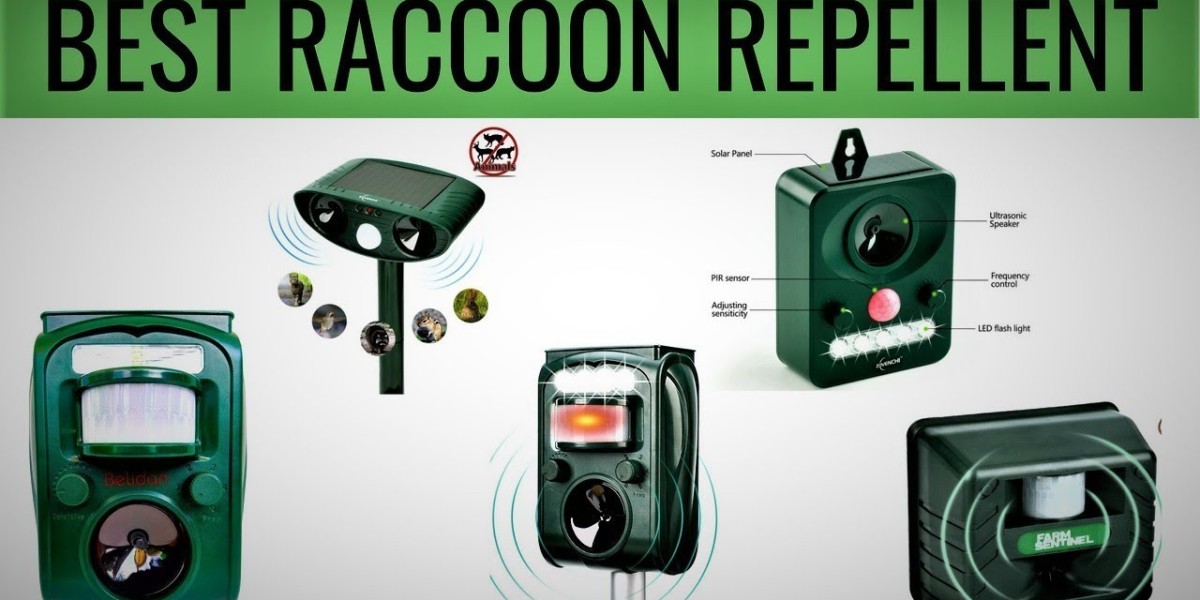
Ultrasonic devices — emit high-frequency sound waves (results vary).
Motion-activated lights — startle raccoons during nighttime visits.
Physical devices work best when combined with habitat management.
4. Barrier-Based Repellents
Rather than scaring or irritating raccoons, barriers deny them access.
These include:
Secured garbage cans and compost bins
Fences around gardens
Chimney caps, attic screens, and vent covers
Deck skirting to prevent digging and nesting
Barriers are one of the most reliable preventive measures against raccoon intrusion.
How Raccoon Repellents Work
Raccoon repellents function by tapping into the animal's natural instincts. These instincts include:
Predator avoidance
Sensitivity to strong or unpleasant odors
Preference for easily accessible food and shelter
Aversion to sudden changes in their environment
When repellents disrupt these comfort factors, raccoons typically choose a different area to explore, especially when combined with reducing attractants like food scraps or unsecured openings to structures.
Using Raccoon Repellent Effectively
Repellents work best as part of a multi-step strategy called integrated wildlife management. Here's how to maximize success:
1. Remove Attractants
This is the most important step and often eliminates the need for repellents altogether.
Keep garbage tightly sealed.
Bring pet food indoors.
Clean up fallen fruit from trees.
Secure compost piles.
Store birdseed in sealed containers.
Eliminate standing water sources.
Raccoons rarely stay in an area that no longer offers easy food.
2. Identify High-Activity Zones
Signs of raccoon presence include:
overturned garbage cans
footprints or paw marks
droppings
disturbed garden beds
noises in attics or walls
Apply repellents directly to these sites for maximum impact.
3. Combine Multiple Repellent Types
For example:
A scent-based repellent can be used around garbage cans.
A motion-activated light can protect the backyard.
Barriers can seal off access to attics or crawlspaces.
This layered approach discourages raccoons more effectively than any single method.
4. Reapply as needed
Weather, time, and environmental conditions can diminish the potency of repellents. Regular maintenance ensures ongoing protection.
5. Use Humane Practices
Avoid harmful chemicals, poisons, or inhumane traps. These methods are unsafe, often illegal, and harmful to ecosystems. Repellents should deter , not insult.
Common Myths About Raccoon Repellent
Myth 1: Any strong smell will repel raccoons.
Not true. Many household odors don't bother raccoons at all.
Myth 2: Raccoons will never return once they leave.
If food or shelter is still available, they may come back—repellents must be paired with prevention.
Myth 3: Ultrasonic devices alone can solve raccoon problems.
These can help, but raccoons often adapt. Consistent reinforcement is required.
When to Seek Professional Help
If raccoons have entered your attic, chimney, or walls, or if repellents seem ineffective even after proper use, it may be time to contact a licensed wildlife control professional. Professionals can:
identify entry points
remove raccoons humanely
provide long-term exclusion solutions
This is especially important if baby raccoons might be present, as separating families can cause distress and legal issues.
Final Thoughts
Raccoons are resourceful animals that thrive in urban and rural environments alike. While their behavior sometimes creates challenges, humane raccoon repellents offer a safe and effective way to encourage them to avoid human spaces. With a combination of scent-based, taste-based, physical, and barrier-style repellents—along with smart habitat management—you can significantly reduce the likelihood of raccoon conflicts on your property.
By choosing humane repellent methods, you both protect your home and the wellbeing of these remarkable creatures, fostering a balanced coexistence between humans and wildlife.