
Finding the right cooling solution is no longer just about comfort. It affects energy bills, indoor air quality, long-term maintenance costs, and even how enjoyable a living space feels during hot months. Apartments and houses may seem similar on the surface, but they have very different cooling needs. Understanding these differences helps you make a smarter choice that fits your space, lifestyle, and budget.
This guide breaks down the key factors to consider and explains which cooling options work best for apartments versus standalone homes.
Understanding Space and Layout Differences
The biggest difference between apartments and houses is space. Apartments usually have a smaller footprint, shared walls, and limited outdoor access. Houses tend to be larger, spread across multiple rooms or floors, and offer more flexibility for installing equipment.
In apartments, cooling often needs to focus on individual rooms or compact areas. In houses, the challenge is maintaining consistent temperatures across larger spaces without wasting energy.
Before choosing any system, it is important to look at:
Total square footage
Ceiling height
Number of rooms
Sun exposure
Insulation quality
These factors influence both performance and cost, regardless of where you live.
Cooling Options That Work Best for Apartments
Apartments typically come with restrictions. Landlords may limit permanent installations, outdoor units, or major electrical changes. Because of this, flexibility and simplicity matter.
Window Air Conditioners
Window units are popular in apartments because they are affordable and easy to install. They work well for single rooms and small living spaces. However, they can be noisy and may block natural light. Energy efficiency also varies widely by model.
Portable Air Conditioners
Portable units are another renter-friendly option. They require minimal installation and can be moved between rooms. While convenient, they are usually less powerful than window units and may struggle in larger spaces.
Wall-Mounted Split Systems (Where Allowed)
Some modern apartments allow split air conditioning systems. These are quieter and more efficient than window units. They offer better temperature control and a cleaner look. Installation approval is usually required, but the performance benefits are significant.
Central Cooling in High-End Apartments
Luxury apartments may already include central cooling. In this case, the main focus shifts to proper usage, zoning, and regular upkeep to avoid high energy bills.
Cooling Solutions Better Suited for Houses
Houses provide more freedom when it comes to cooling system design. With more space and fewer restrictions, homeowners can choose systems that offer whole-house comfort and long-term efficiency.
Central Air Conditioning Systems
Central air is one of the most common choices for houses. It cools the entire home through ductwork, providing even temperatures in every room. While installation costs are higher, central systems are efficient for large spaces and add property value.
Ductless Mini-Split Systems
Mini-splits are a flexible option for houses without existing ducts. They allow room-by-room control, which reduces energy waste. This is especially useful for multi-story homes or rooms that are rarely used.
Hybrid Cooling Systems
Some homeowners combine systems, such as central air for main living areas and mini-splits for bedrooms or home offices. This approach balances comfort and cost.
Evaporative Coolers in Suitable Climates
In dry regions, evaporative cooling can be an energy-efficient alternative. These systems use water to cool air and consume less electricity, though they are not suitable for humid environments.
Energy Efficiency Considerations
Energy efficiency matters in both apartments and houses, but the impact differs. Apartment dwellers often pay for individual electricity usage, making efficient systems crucial for monthly savings. Homeowners may face higher overall consumption, especially in larger spaces.
When evaluating efficiency, look for:
High energy rating labels
Inverter technology
Programmable or smart thermostats
Proper system sizing
An oversized system wastes energy, while an undersized one struggles to maintain comfort. Matching system capacity to space size is critical.
Noise Levels and Comfort
Noise is often overlooked but plays a major role in daily comfort. In apartments, noise can affect neighbors as well as your own living space. Quieter systems like split units or inverter-based models are usually preferred.
In houses, noise is less of a concern, especially when outdoor units can be placed away from bedrooms or living areas. Still, quieter systems improve overall quality of life.
Installation and Maintenance Differences
Installation is often simpler in apartments, but options are limited. Houses allow for more complex setups that require professional planning.
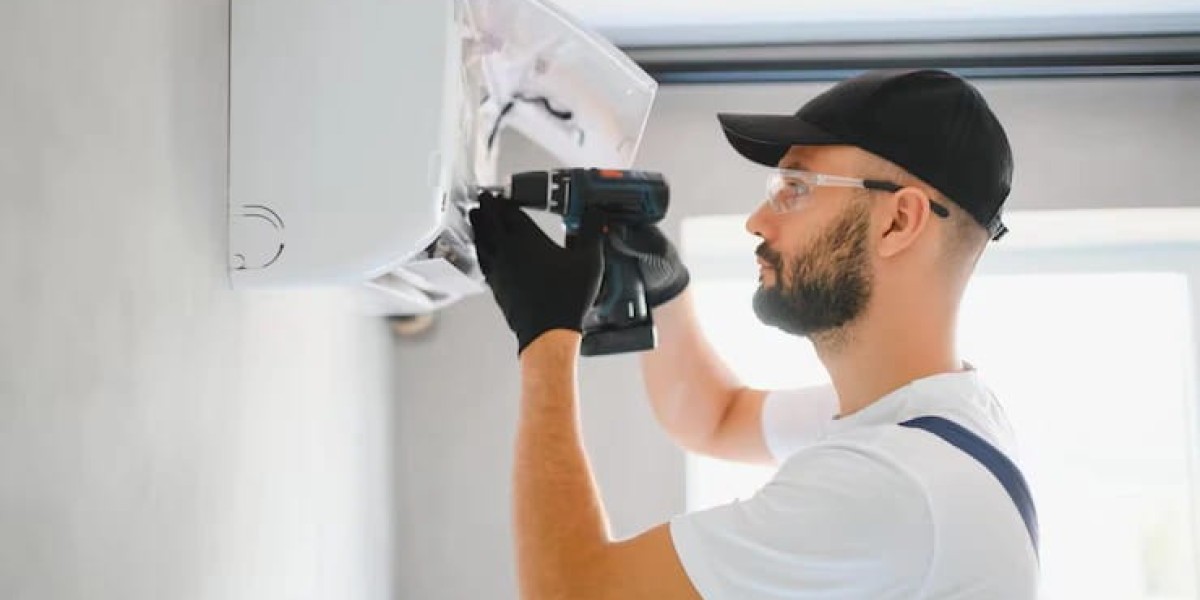
Maintenance is essential in both cases. Filters need cleaning, coils require inspection, and performance should be checked regularly. Even the best system will lose efficiency without proper care. This is where professional services aircond play an important role in keeping systems running smoothly and extending their lifespan.
Cost Factors to Keep in Mind
Initial cost is just one part of the equation. Long-term expenses often matter more.
For apartments:
Lower upfront costs
Limited upgrade options
Lower maintenance complexity
For houses:
Higher installation costs
Greater energy usage
More maintenance responsibility
Balancing upfront investment with monthly operating costs helps determine the best value over time.
Smart Cooling and Modern Technology
Smart technology is changing how people cool their homes. From mobile-controlled thermostats to automated temperature schedules, these features help reduce energy waste and improve comfort.
Apartments benefit from smart plugs and portable smart controllers, while houses can integrate full smart home systems that manage cooling across multiple zones.
Making the Right Choice for Your Lifestyle
The best cooling solution depends on how you live. If you rent, flexibility and portability matter. If you own a home, long-term efficiency and whole-house comfort become priorities.
Ask yourself:
Do you need to cool one room or the entire space?
Are you allowed to make permanent changes?
How important is energy efficiency?
What is your long-term budget?
Answering these questions makes the decision much clearer.
Final Thoughts
Apartments and houses have different cooling needs, and choosing the right system requires understanding those differences. Apartments benefit from compact, flexible solutions, while houses allow for powerful systems that deliver consistent comfort across larger spaces.
By considering layout, energy efficiency, noise levels, and maintenance requirements, you can select a cooling solution that fits your home and lifestyle perfectly. The right choice not only improves comfort but also saves money and reduces stress in the long run.