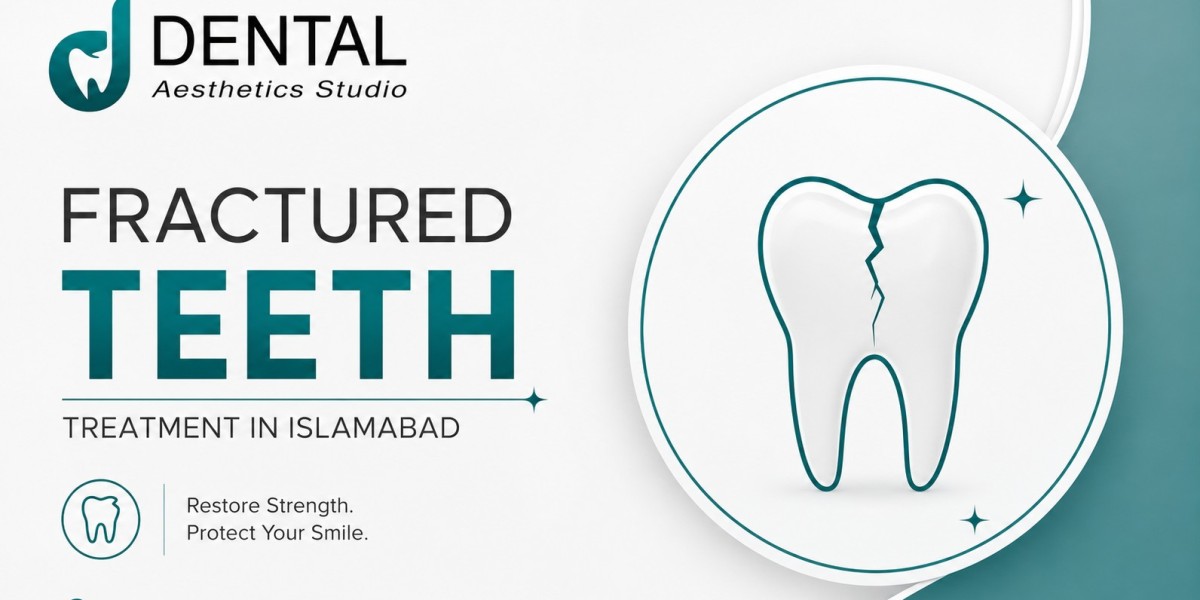

A fractured tooth cannot fully heal on its own because tooth enamel does not regenerate like skin or bone. Once a tooth cracks or fractures, the damaged structure remains unless it is repaired by a dentist. However, the best treatment depends on how deep and severe the fracture is.
Can a Minor Tooth Fracture Heal?
Small chips or surface cracks in the enamel may not cause pain and often do not require extensive treatment. While the enamel won't repair itself, these minor fractures can usually be restored with:
- Dental bonding
- Tooth reshaping (contouring)
- Dental veneers (for front teeth)
These treatments restore the tooth's appearance and protect it from further damage.
What Happens with a Deeper Fracture?
If the crack extends into the dentin or reaches the tooth's pulp, symptoms may include:
- Pain when chewing
- Sensitivity to hot or cold foods
- Swelling around the affected tooth
- Intermittent toothache
In these cases, treatment may involve:
- A dental crown to strengthen the tooth
- Root canal treatment if the pulp is infected
- Tooth extraction if the fracture extends below the gum line and the tooth cannot be saved
Can the Tooth Stay Alive?
Yes, many fractured teeth can remain healthy if treated early. Prompt dental care can prevent bacteria from entering the crack and causing infection.
How to Protect a Fractured Tooth
Until you see a dentist:
- Avoid chewing on the affected side.
- Eat soft foods.
- Avoid very hot, cold, or sugary foods if the tooth is sensitive.
- Maintain good oral hygiene.
- See a dentist as soon as possible to prevent the fracture from worsening.
When Should You See a Dentist?
Seek dental care immediately if you experience:
- Severe pain
- Swelling
- Bleeding
- A loose tooth
- A visible crack extending below the gum line
Early treatment greatly improves the chances of saving the tooth.
Conclusion
A fractured tooth does not naturally heal or regrow, but modern dental treatments can often repair and preserve it. The sooner the fracture is diagnosed, the better the outcome. Even if the tooth isn't painful, it's important to have it examined to prevent further damage or infection.