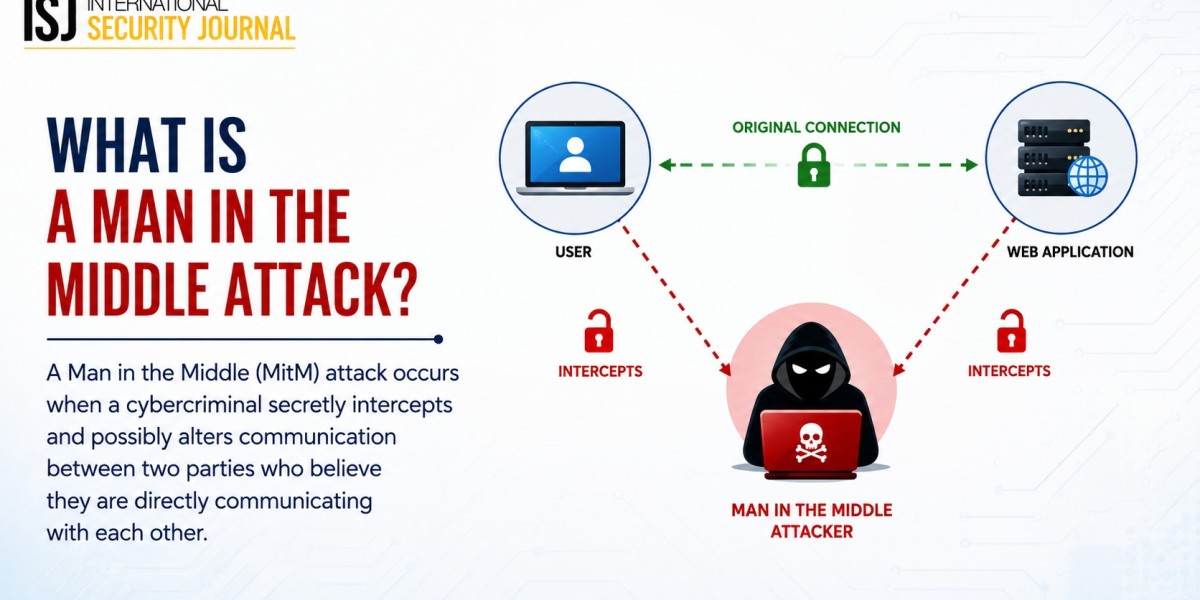

Cyberattacks are becoming more sophisticated, and many no longer rely on viruses or ransomware to steal sensitive information. One of the most common yet difficult-to-detect threats is a Man in the Middle (MitM) attack. Instead of directly attacking a system, cybercriminals secretly intercept communication between two parties to steal, monitor, or even alter data without either side realizing it.
Whether you're logging into online banking, accessing company resources, or using public Wi-Fi, understanding “what is a man-in-the-middle attack” can help you recognize the risks and adopt better security practices. This guide explains how MitM attacks work, common attack methods, warning signs, and practical ways to prevent them.
What Is a Man in the Middle Attack?
A Man in the Middle (MitM) attack is a cyberattack in which an attacker secretly positions themselves between two communicating parties. The attacker intercepts data being exchanged while making both parties believe they are communicating directly with each other.
Once the attacker gains access to the communication channel, they can monitor conversations, capture usernames and passwords, steal financial information, or even modify transmitted data before forwarding it to the intended recipient. Because the communication often appears normal, victims may not notice the attack until significant damage has occurred.
Common Types of Man in the Middle Attacks
Cybercriminals use several techniques to carry out MitM attacks.
Wi-Fi Eavesdropping
Attackers create fake public Wi-Fi hotspots or exploit unsecured wireless networks. When users connect to these networks, their internet traffic can be intercepted.
ARP Spoofing
In local networks, attackers manipulate the Address Resolution Protocol (ARP) to redirect network traffic through their own device, allowing them to monitor or alter communications.
DNS Spoofing
A compromised Domain Name System (DNS) redirects users to fake websites that closely resemble legitimate ones. Victims unknowingly enter sensitive information into fraudulent websites.
HTTPS Spoofing
Attackers attempt to deceive users with fake security certificates or compromised encrypted connections, making malicious websites appear trustworthy.
Session Hijacking
Instead of stealing passwords, attackers capture session cookies after a user logs in, allowing them to impersonate the user without knowing the login credentials.
Email Hijacking
Business email communications may be intercepted, enabling attackers to modify payment instructions, steal confidential information, or impersonate trusted contacts.
How Cybercriminals Perform a Man-in-the-Middle Attack
A MitM attack generally follows two stages.
Interception
The attacker first gains access to the communication path. This can happen through fake Wi-Fi networks, DNS manipulation, IP spoofing, malware, or compromised routers. Once positioned between the sender and receiver, all transmitted data passes through the attacker's device.
Data Capture and Manipulation
After intercepting the communication, attackers read sensitive information such as login credentials, financial records, emails, and confidential business documents. In some cases, they modify messages or redirect payments while keeping the communication appearing legitimate.
What Information Can Be Stolen?
The amount of information exposed during a MitM attack depends on the communication being intercepted. Common targets include:
Usernames and passwords
Banking credentials
Credit and debit card details
Personal identification information
Business emails
Customer records
Session cookies
Financial transactions
Intellectual property
Confidential corporate documents
Stolen information may later be used for identity theft, financial fraud, corporate espionage, or additional cyberattacks.
Warning Signs of a Man-in-the-Middle Attack
MitM attacks are designed to remain hidden, but certain warning signs should never be ignored.
Unexpected SSL certificate warnings
Frequent account logouts
Slow or unstable internet connections
Redirects to unfamiliar websites
Missing HTTPS padlock icon
Unusual login alerts
Unknown devices appearing on your network
Although these symptoms do not always indicate a MitM attack, they warrant immediate investigation.
How to Prevent a Man in the Middle Attack
While no security measure guarantees complete protection, following cybersecurity best practices significantly reduces the risk.
Avoid Unsecured Public Wi-Fi
Public Wi-Fi networks are common targets for attackers. Avoid accessing banking websites or business accounts on unsecured networks whenever possible.
Verify HTTPS Connections
Always confirm that websites use HTTPS encryption and display a valid security certificate before entering sensitive information.
Enable Multi-Factor Authentication (MFA)
MFA provides an additional verification step beyond passwords, making unauthorized access much more difficult even if login credentials are stolen.
Keep Software Updated
Operating systems, browsers, mobile apps, and routers should be updated regularly to fix known security vulnerabilities that attackers may exploit.
Use a VPN
A Virtual Private Network (VPN) encrypts internet traffic, reducing the likelihood that attackers can intercept communications on public or shared networks.
Secure Home and Business Networks
Use strong Wi-Fi passwords, enable WPA3 encryption when supported, and regularly update router firmware to improve network security.
Train Employees
Businesses should educate employees about phishing attacks, suspicious websites, secure browsing habits, and safe use of public networks. Human awareness remains one of the strongest cybersecurity defences.
Why Businesses Should Take MitM Attacks Seriously
For organisations, a successful MitM attack can lead to far more than stolen passwords. Financial fraud, customer data breaches, regulatory penalties, operational disruptions, and reputational damage are all potential consequences.
Businesses that process financial transactions or store sensitive customer information face particularly high risks. Implementing encryption, secure authentication, endpoint protection, continuous network monitoring, and employee cybersecurity training can help minimize exposure to these attacks.
Conclusion
Understanding what is a man in the middle attack is essential for anyone who uses the internet for personal or business activities. Because these attacks often occur without obvious signs, prevention is far more effective than recovery. Using encrypted connections, enabling multi-factor authentication, avoiding unsecured networks, keeping software updated, and educating users can significantly reduce the risk of intercepted communications. Staying informed about evolving cybersecurity threats through International Security Journal helps individuals and organizations strengthen their security strategies and better protect sensitive information against Man in the Middle attacks.
FAQs
1. What is a Man in the Middle attack in simple terms?
A Man in the Middle attack is a cyberattack where an attacker secretly intercepts communication between two parties to steal, monitor, or modify the information being exchanged.
2. Where do Man in the Middle attacks commonly occur?
They commonly occur on unsecured public Wi-Fi networks, compromised websites, infected local networks, and through DNS or ARP spoofing attacks.
3. Can HTTPS prevent Man in the Middle attacks?
HTTPS significantly reduces the risk by encrypting data during transmission, but users should still verify website certificates and remain cautious of phishing websites and fake certificates.
4. How can businesses protect against Man in the Middle attacks?
Businesses should implement multi-factor authentication, encrypted communications, VPNs, regular software updates, secure network configurations, continuous monitoring, and cybersecurity awareness training for employees.