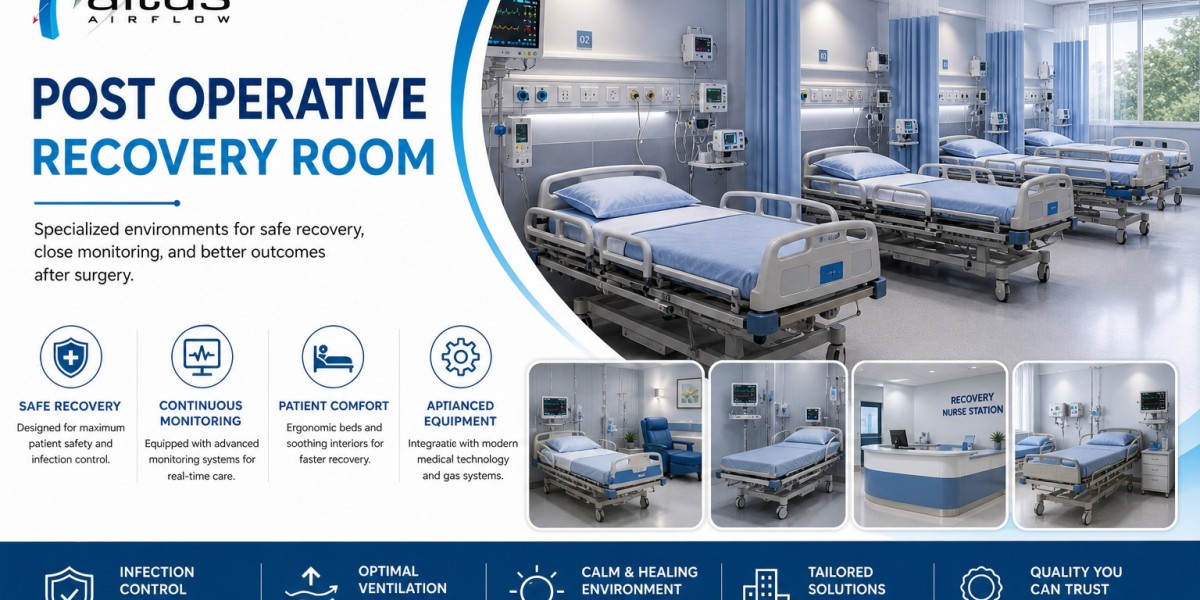

Introduction
After surgery, patients may need careful observation while recovering from anesthesia and the immediate effects of a procedure. A Post Operative Recovery Room provides a dedicated clinical environment where trained healthcare professionals can monitor patients and manage their immediate recovery needs. The exact monitoring and care provided depend on the patient's condition, procedure, anesthesia, and hospital protocols.
Monitoring After Surgery
One of the primary purposes of a post-operative recovery area is to allow healthcare professionals to observe the patient's condition closely after surgery.
Monitoring may include:
- Heart rate
- Blood pressure
- Oxygen saturation
- Respiratory rate
- Temperature
- ECG when clinically indicated
Regular assessment helps trained staff identify changes that may require attention.
Recovery From Anesthesia
Anesthesia can temporarily affect breathing, alertness, blood pressure, and other physiological functions. Patients may therefore require observation until the effects of anesthesia have sufficiently reduced.
Healthcare professionals may assess:
- Level of consciousness
- Airway status
- Breathing
- Circulation
- Response to stimulation
- Overall recovery
The patient remains under clinical supervision according to the hospital's established recovery criteria.
Respiratory Observation
Respiratory monitoring is particularly important immediately after anesthesia. Some patients may experience changes in breathing or oxygenation during the recovery period.
A recovery room can provide access to:
- Oxygen
- Suction
- Pulse oximetry
- Respiratory monitoring
- Other required respiratory support
Clinical teams determine the appropriate intervention based on the patient's condition.
Pain Management
Pain is common after surgery and should be assessed by qualified healthcare professionals.
A post-operative recovery area allows staff to:
- Assess pain intensity
- Monitor the patient's response to prescribed treatment
- Observe for adverse effects
- Reassess comfort after intervention
Pain-management practices vary according to the procedure, patient condition, and clinical protocols.
Monitoring Blood Pressure and Circulation
Surgery and anesthesia can influence cardiovascular function. Monitoring blood pressure, heart rate, and other relevant parameters helps healthcare professionals evaluate the patient's recovery.
Changes can be assessed alongside the patient's overall clinical condition rather than through a single measurement.
Nausea and Vomiting Management
Some patients experience nausea or vomiting following anesthesia or surgery. Recovery-room staff can monitor these symptoms and provide appropriate treatment according to the prescribed care plan.
Managing nausea can also contribute to patient comfort during the early recovery period.
Early Detection of Complications
Close observation can help healthcare professionals identify potential complications at an early stage.
Depending on the procedure, staff may watch for:
- Breathing difficulties
- Abnormal vital signs
- Excessive pain
- Changes in consciousness
- Bleeding concerns
- Other unexpected symptoms
If a concerning change occurs, the clinical team can initiate the appropriate response.
Emergency Preparedness
A recovery area should provide suitable access to emergency equipment and clinical support.
Depending on the hospital's requirements, this may include:
- Patient monitors
- Oxygen
- Suction
- Resuscitation equipment
- Emergency medications
- Defibrillation equipment
Emergency resources should be maintained and readily accessible according to hospital protocols.
Patient Comfort and Privacy
Recovery is not only about monitoring clinical parameters. Patients also need a suitable environment in which they can regain awareness and comfort after surgery.
Recovery-room design may consider:
- Appropriate lighting
- Temperature
- Noise management
- Privacy curtains or screens
- Comfortable patient positioning
- Convenient staff access
These features can help create a more appropriate post-operative environment.
Infection-Control Measures
Patients recovering after surgery require an environment that supports appropriate infection-control practices.
A recovery room can incorporate:
- Cleanable surfaces
- Appropriate clinical materials
- Hand-hygiene facilities
- Organized equipment
- Proper cleaning procedures
Hospitals should follow their established infection-prevention policies.
Medical-Gas and Electrical Infrastructure
Post-operative care may require various medical devices and utilities. Recovery-room infrastructure can provide appropriately planned connections for clinical use.
These may include:
- Oxygen
- Medical air
- Vacuum
- Electrical outlets
- Emergency power
- Data connections
The exact requirements depend on the hospital and equipment used.
Safe Transfer to the Next Care Area
Patients are generally transferred from the recovery area only after qualified healthcare professionals determine that the relevant recovery criteria have been met.
The assessment may consider:
- Stable vital signs
- Adequate respiratory function
- Level of consciousness
- Pain and nausea
- Overall clinical condition
- Procedure-specific requirements
The applicable criteria are determined by the hospital's clinical policies.
Support for Healthcare Professionals
A well-designed recovery room also supports doctors, nurses, anesthetists, and other healthcare workers.
The environment can provide:
- Clear patient visibility
- Accessible monitoring equipment
- Organized medical utilities
- Emergency access
- Storage
- Efficient staff movement
An appropriate layout can help staff perform observation and post-operative care efficiently.
Conclusion
A Post Operative Recovery Room is important because it provides a dedicated environment for patients to recover under appropriate clinical observation after surgery and anesthesia. Monitoring, respiratory assessment, pain and nausea management, emergency preparedness, infection control, patient comfort, and safe transfer planning all contribute to post-operative care. The specific services and monitoring requirements should always be determined by qualified healthcare professionals according to the patient's condition and hospital protocols.
Frequently Asked Questions
1. Why is a Post Operative Recovery Room important?
It provides a dedicated area where trained healthcare professionals can monitor patients and manage immediate recovery needs following surgery or anesthesia.
2. What is monitored after surgery?
Depending on the patient's condition, monitoring may include heart rate, blood pressure, oxygen saturation, respiratory rate, temperature, ECG, consciousness, pain, and other relevant clinical parameters.
3. Why is anesthesia recovery monitored closely?
Anesthesia can temporarily affect breathing, alertness, circulation, and other physiological functions. Close observation helps healthcare professionals identify changes requiring attention.
4. Can pain and nausea be managed in the recovery room?
Yes. Qualified healthcare professionals can assess pain and nausea and provide appropriate treatment according to the patient's condition and prescribed clinical plan.
5. When is a patient transferred from the recovery room?
Transfer occurs when qualified clinical staff determine that the patient meets the applicable recovery and transfer criteria established by the hospital.
Read Our Previous Blog----------->What features should a Hospital Recovery Room include?