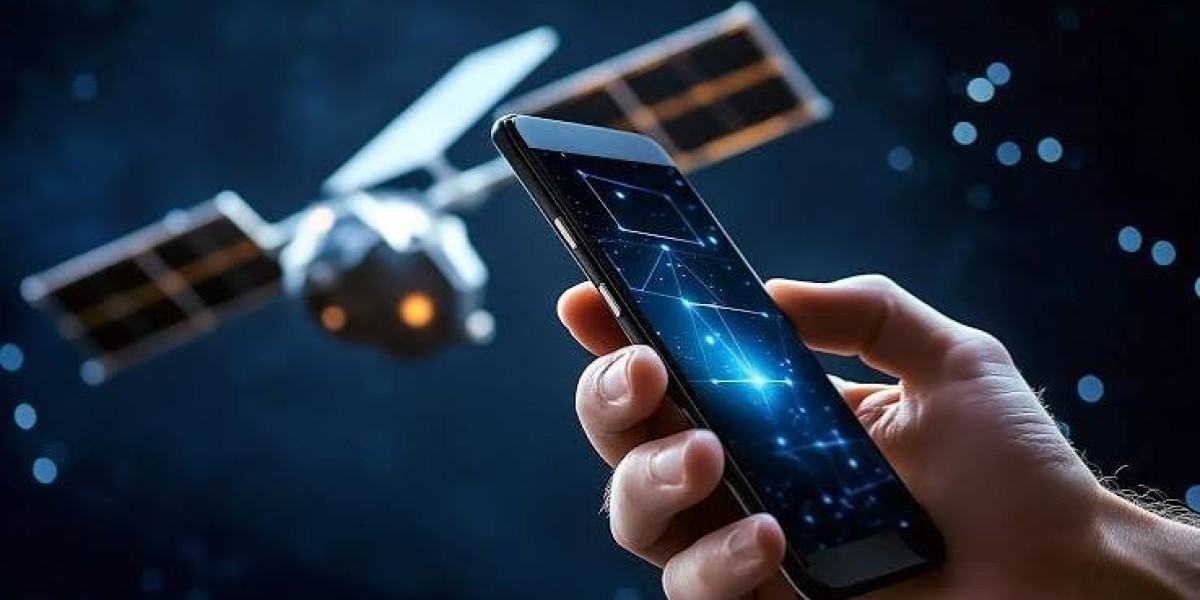

Direct-to-device connectivity is changing how mobile networks can reach users beyond conventional terrestrial coverage. Instead of requiring a specialised satellite handset, D2D technology enables compatible consumer devices to communicate with satellites when cellular towers are unavailable. This approach could extend messaging, emergency communication, selected voice services, and eventually broader data connectivity across rural areas, highways, wilderness locations, coastal regions, and other difficult-to-cover environments.
A recent study by MarkNtel Advisors highlights that the U.S. Direct-to-Device connectivity landscape was valued at approximately USD 261 million in 2025 and is projected to expand from USD 365 million in 2026 to USD 1,271 million by 2032, registering a CAGR of 23.11% during 2026–2032. Growth is being supported by satellite-network development, telecom partnerships, regulatory progress, and demand for more continuous mobile coverage.
Satellite Networks Extend Coverage Beyond Cell Towers
Traditional mobile networks depend on terrestrial towers positioned within practical distance of users. Building this infrastructure across mountains, deserts, remote highways, national parks, and sparsely populated regions can be technically difficult or economically unattractive.
Direct-to-device systems add a non-terrestrial layer by allowing satellites to supplement terrestrial wireless coverage. The FCC’s Supplemental Coverage from Space framework established rules intended to allow satellite operators and terrestrial wireless providers to collaborate in filling coverage gaps.
Existing Consumer Devices Improve Accessibility
One of D2D connectivity’s most important characteristics is its potential to work with compatible mainstream mobile devices rather than requiring users to carry dedicated satellite equipment.
This reduces a significant adoption barrier. Consumers may be able to retain familiar phones, numbers, and mobile-service relationships while receiving satellite-supported connectivity when terrestrial coverage disappears. The resulting experience could eventually make satellite access feel less like a separate communications service and more like another layer within conventional mobile networks.
Emergency Communication Creates Immediate Value
Reliable communication becomes particularly important when people travel through locations where terrestrial networks cannot provide consistent coverage. Road accidents, severe weather, outdoor emergencies, and natural disasters can occur far from functioning cell towers.
The FCC has adopted interim 911 requirements for satellite-supported coverage, reflecting the public-safety importance of ensuring emergency communications can be routed appropriately when Supplemental Coverage from Space is used.
Rural Connectivity Strengthens the Use Case
Large portions of the United States contain low-density communities and remote terrain where conventional network economics can make extensive tower construction challenging. Satellite connectivity can complement existing wireless infrastructure rather than replacing it entirely.
NTIA has highlighted the progress of direct-to-device satellite technology, noting its ability to connect Americans in remote areas where building traditional towers may be uneconomical. This makes D2D particularly relevant to broader efforts to improve connectivity beyond major urban corridors.
Telecom and Satellite Partnerships Become Essential
Direct-to-device services require close coordination between mobile-network operators and satellite companies. Terrestrial providers contribute licensed spectrum, customer relationships, billing systems, and mobile-network integration, while satellite operators provide orbital infrastructure capable of extending signals into uncovered areas.
These partnerships can help create more seamless connectivity because users may not need separate satellite subscriptions or unfamiliar communication systems. Successful deployment, however, depends on compatible devices, spectrum coordination, network integration, and sufficient satellite capacity.
Spectrum Management Remains a Technical Priority
Satellite signals and terrestrial networks operate within complex radio-frequency environments. As D2D deployments expand, regulators and operators need to ensure that new services coexist without creating harmful interference with existing communications, navigation, aviation, or other spectrum users.
Technical standards, device certification, power limits, and frequency coordination will therefore remain central to deployment. Regulatory frameworks will need to evolve as service capabilities expand from emergency messaging toward more data-intensive applications.
Data Services Could Broaden Future Applications
Early D2D deployments naturally emphasize essential communication because text messaging requires relatively limited network capacity. More advanced satellite constellations and device technologies could gradually support richer services.
Potential applications include connected transportation, remote workforce communication, outdoor recreation, public safety, logistics, agriculture, and selected Internet of Things deployments. The practical capabilities will depend on satellite capacity, spectrum availability, handset performance, and network design.
Hybrid Connectivity Will Shape the Next Phase
U.S. Direct-to-Device connectivity is increasingly linking satellite infrastructure with traditional mobile networks. Its central value lies in reducing coverage gaps without requiring every remote location to receive new terrestrial infrastructure.
Future development will depend on satellite capacity, telecom integration, spectrum coordination, device compatibility, emergency-service reliability, and commercially sustainable service models. As terrestrial and non-terrestrial networks become more integrated, D2D connectivity could help move mobile communications toward a more continuous coverage experience across the United States.