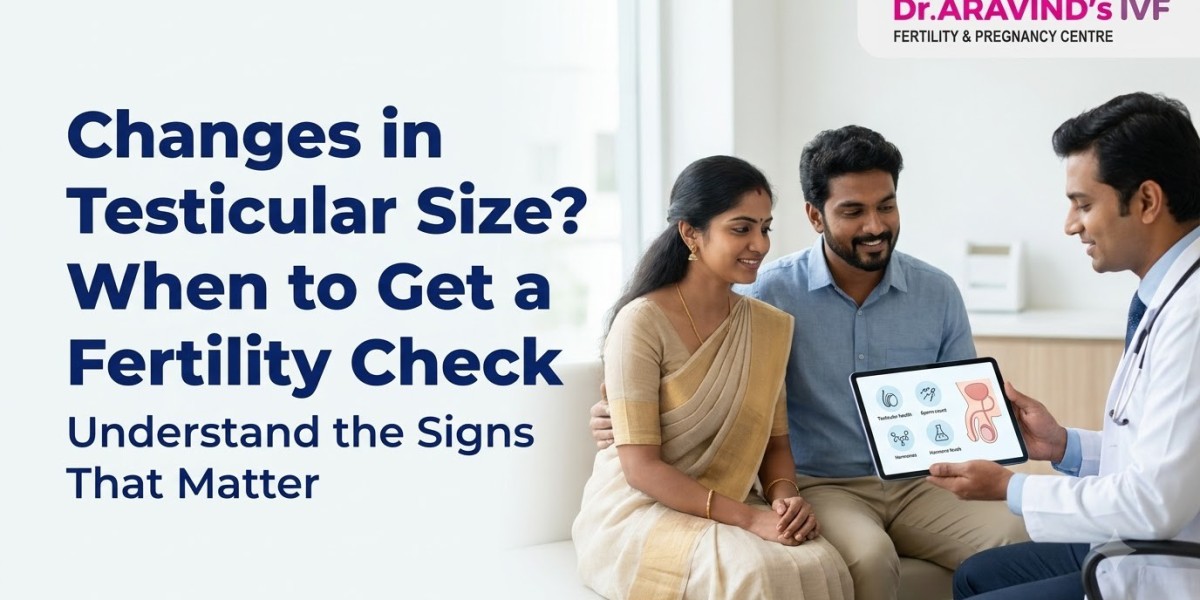

A small difference in testicular size can be normal, but a new, increasing, or noticeable change should be checked—especially when pregnancy has not occurred or there are other male-fertility concerns. Testicular size can reflect sperm-producing function, hormone health, or an underlying scrotal condition. A consultation at the Best fertility centre in Trichy can help determine whether evaluation is needed.
Is Some Difference in Size Normal?
It is common for one testicle to sit slightly lower or appear a little different in size from the other. Minor, long-standing asymmetry without pain, swelling, or fertility concerns may not be serious.
However, seek medical advice if you notice:
One testicle becoming smaller over time
A new difference in size or firmness
A feeling of heaviness or dragging
Persistent pain or discomfort
Scrotal swelling
A lump near or within a testicle
Enlarged veins around the scrotum
A change after injury, infection, or surgery
A change in testicular size should not be self-diagnosed. The cause may be harmless, but early assessment is important when the change is new or persistent.
Why Testicular Size Can Affect Fertility
The testicles produce sperm and testosterone. When testicular tissue is affected by injury, infection, blood-flow problems, hormonal changes, or genetic conditions, sperm production may also be affected.
A smaller testicle may sometimes be associated with:
Lower sperm production
Reduced testosterone production
Abnormal semen parameters
Testicular damage or atrophy
A need for hormone or genetic evaluation
Testicular size alone cannot confirm infertility. Some men with smaller testicles have normal semen results, while others with normal-sized testicles may have low sperm count. A semen analysis is necessary to assess sperm concentration, movement, shape, and vitality.
For more information about low sperm count, read oligospermia symptoms.
Common Causes of Testicular Size Changes
Several conditions can change testicular size or make one side look different.
Varicocele
A varicocele is an enlargement of veins around the testicle. It may cause a heavy or dragging feeling, discomfort after standing, or a visible cluster of veins. In some men, it may be associated with reduced sperm quality or gradual reduction in testicular size.
Previous Infection or Inflammation
Infections involving the testicle or epididymis can cause pain and swelling. In some cases, significant inflammation may affect testicular tissue and later lead to a change in size.
Injury or Surgery
Testicular injury, torsion, hernia repair, undescended testicle surgery, or other procedures may affect blood supply or testicular tissue. A past injury should be discussed during a fertility consultation.
Hormonal Conditions
Low testosterone and other hormone-related conditions can affect testicular development and sperm production. Symptoms may include reduced libido, reduced facial or body hair, tiredness, low muscle strength, or breast enlargement.
Genetic or Developmental Factors
Some genetic conditions or childhood reproductive concerns may affect testicular development and sperm production. Genetic testing may be considered in selected men with severe low sperm count, absent sperm, or small testicles.
When Is Urgent Care Needed?
Seek urgent medical attention if you experience:
Sudden, severe testicular pain
Rapid swelling or redness
Nausea or vomiting with scrotal pain
A testicle that appears higher than usual
A new hard lump
Fever with severe scrotal tenderness
Pain after an injury that does not settle
Sudden severe pain can be a sign of testicular torsion, which needs immediate assessment. Do not wait for a fertility appointment in this situation.
When Should You Have a Fertility Check?
A fertility assessment may be useful if testicular-size changes occur with difficulty conceiving or other reproductive symptoms.
Consider a consultation if:
Pregnancy has not occurred after 12 months of regular unprotected intercourse
The female partner is 35 or older and pregnancy has not occurred after 6 months
You have a previous abnormal semen analysis
One testicle has become noticeably smaller
You have a varicocele, recurrent pain, or scrotal heaviness
You had undescended testicles, mumps after puberty, infection, or surgery
You have undergone chemotherapy or pelvic radiation
You have low libido, erectile difficulties, or ejaculation concerns
At an IVF Centre in Trichy, both partners can be assessed so that male and female factors are considered together.
What Tests May Be Recommended?
A specialist may begin with a medical history and physical examination. Depending on the findings, the assessment may include:
Semen analysis
Hormone blood tests
Scrotal ultrasound
Infection screening
Genetic testing in selected severe cases
Review of medicines, supplements, and testosterone use
A semen analysis is especially important when considering causes of oligospermia. It helps identify whether a testicular-size change may be linked to low sperm count, poor motility, or abnormal sperm shape.
Treatment Depends on the Cause
Treatment is based on the diagnosis. Some men may need management for infection, hormonal concerns, varicocele, or another scrotal condition. Others may only need monitoring.
If semen parameters remain affected, fertility options may include timed natural conception, IUI, IVF, or ICSI. The best IVF centre in India should provide realistic counselling based on test results, the female partner’s age, and the couple’s treatment goals.
Our Clinic
Dr. Aravind’s IVF
Dr. Aravind’s IVF provides confidential male-fertility evaluation for couples in Trichy. The team reviews testicular changes, semen analysis, hormone health, lifestyle factors, medical history, and partner-related fertility concerns to recommend a suitable next step.
Frequently Asked Questions
Q1. Is it normal for one testicle to be slightly smaller than the other?
A minor difference can be normal, especially if it has always been present and there is no pain, lump, swelling, or fertility concern. A new or increasing difference should be checked by a doctor.
Q2. Can a smaller testicle affect sperm count?
It can in some cases, especially if the change is related to testicular damage, varicocele, hormonal issues, infection, or previous injury. A semen analysis is needed to assess sperm count and quality.
Q3. Does a varicocele cause testicular shrinkage?
A varicocele may be associated with reduced testicular size or affected sperm production in some men. Treatment is considered based on symptoms, semen results, examination, and fertility goals.
Q4. Which tests are needed for testicular-size changes and fertility?
The doctor may recommend a physical examination, semen analysis, hormone tests, scrotal ultrasound, and genetic tests in selected cases.
Q5. Where can I get a fertility evaluation for testicular-size changes in Trichy?
You can consult the Best fertility centre in Trichy for assessment of testicular changes, sperm health, hormone factors, and suitable fertility treatment options.