
Feelings of uncertainty before starting a fast are normal. Therapeutic fasting is not an attempt to avoid meals, but rather a controlled fasting process that may affect sugar control, fat burning, and fluid balance. Buchinger fasting therapy includes both fasting nutrition and physical rest, as well as medical supervision and gradual resumption of normal food intake.
Any individual who wishes to undertake therapeutic fasting according to Buchinger instructions needs to prepare themselves in advance with realistic expectations. It does not involve quick weight loss, but involves a period where the body acclimatises itself to new metabolic conditions.
Start With Medical Assessment
Fasting is not recommended for all individuals. A medically supervised fasting program must start with a medical history check-up, along with taking into consideration any medication, hydration status, and physical tests. These might include, depending on personal factors, an electrocardiogram (ECG), blood and urine tests, measurement of blood pressure or sugar levels, and consultation with a medical specialist.
This is especially important when the individual takes prescription drugs or has any pre-existing medical conditions. Dizziness, weakness, palpitations, or confusion can never be considered ordinary side effects of fasting. The involvement of a doctor ensures that there is a way to modify the fasting program.
Support Metabolic Adaptation
During fasting, the body slowly moves away from dependency on glucose obtained through diet towards the use of stored energy, including fats. This process can have an effect on one's appetite, energy levels, and concentration levels. Hence, sufficient hydration, electrolytes when clinically indicated, rest, and proper nutrition are crucial.
A well-thought-out program also takes into account how fasting concludes. Reintroducing food gradually facilitates the digestive system's return to regular eating. Instead of a sudden return to large meals, structured build-up days can promote healthier eating habits.
Move, But Respect the Body
Exercise can be incorporated into a supervised fasting programme in the event that it is appropriate for the individual’s condition and level of fasting. Activities such as walking, Nordic walking, aqua gymnastics, back fitness and mobility training will allow circulation to occur without adding physiological stress to the body.
Archery, body-shaping exercises, and introductory golf can also be included in sports programs. Physiotherapists and personal trainers can assist participants in safely using equipment and modifying movement to suit their abilities. The idea is straightforward: exercise should promote healing and wellness rather than interfere with the body's natural tendency to adapt.
Make Space for Recovery
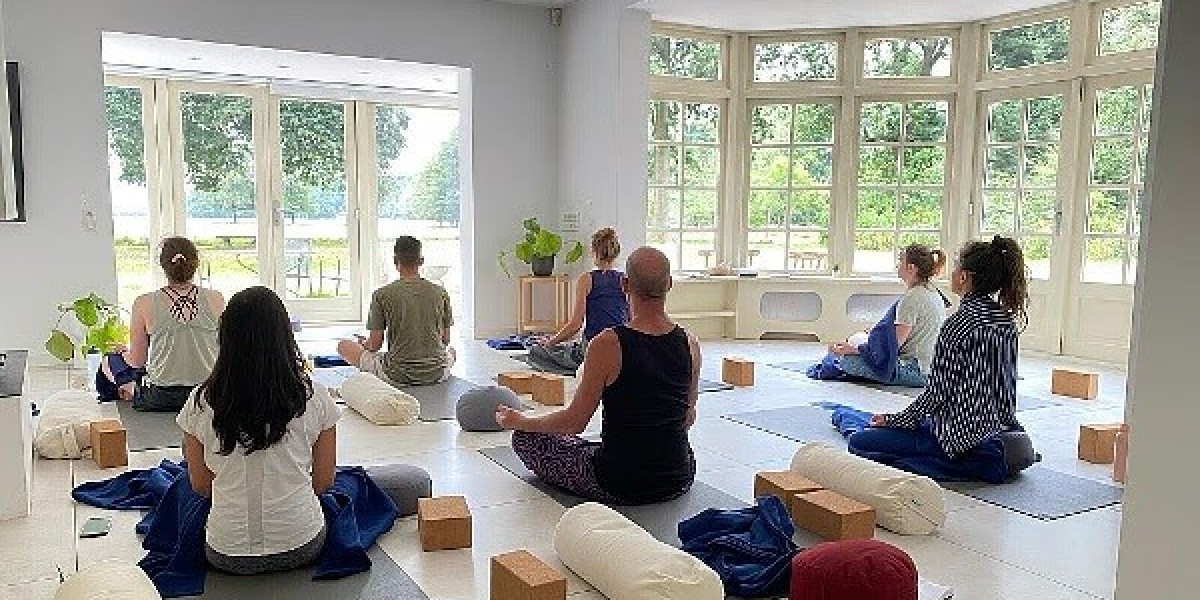
Fasting is not simply an intervention into metabolism. Rest and mental decompression can contribute to the feeling of sustainability of the process. Exercises such as yoga, Qi Gong, Feldenkrais, autogenic training, and progressive muscle relaxation offer an opportunity to slow down breathing and decrease muscular tension.
Mindfulness and relaxation exercises may become especially helpful in case work stresses and constant stimuli make it hard to relax. Quiet time, classes, and walks may become a part of a fasting program without promising any unproven benefits of detoxification or healing.
Choose Comprehensive Supervision
An all-encompassing fasting program will definitely help to facilitate the simplicity of the program. A daily care rate can bring the essential components together instead of dividing lodging, fasting nutrition, medical care, and daily exercise into separate expenses. This could include consultations, lab testing, support related to fasting, food, lodging, group activities, and wellness centres at a medically focused location.
Because effective fasting requires more than just the food served, this integrated structure is beneficial. The process can be more controlled with the help of medical specialists, 24-hour staff, and expert advice.
A Distinctive Setting for Therapeutic Fasting
Schloss Warnsdorf blends the history of an English country estate with individualised treatment, medical know-how, and tranquil surroundings. Its all-encompassing approach situates therapeutic fasting within a larger tradition of exercise, relaxation, diet, and clinical supervision. This makes it possible to view the therapeutic fasting tradition as a wellness practice rather than a stand-alone dietary intervention.
Conclusion
Beginning slowly is one aspect of responsible fasting. With knowledge of the medical context, selection of the right kind of exercise, focusing on relaxation, and undergoing a well-monitored process of nutritional adjustment, the activity could become more thoughtful and significant. Professional guidance provides a clear path toward a safe, structured program where metabolic adaptation, recovery, and prevention can be taken into consideration simultaneously for individuals investigating therapeutic fasting according to Buchinger instructions.