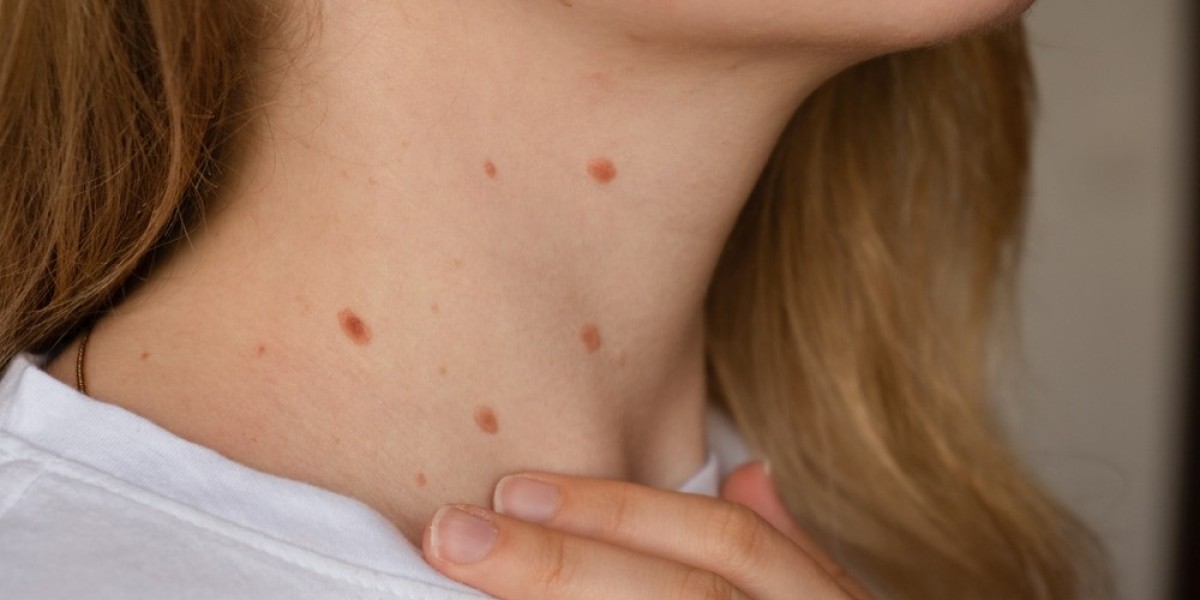

Skin tags are a common skin condition that affects millions of people worldwide. These small, soft growths often appear in areas where skin rubs against skin, such as the neck, underarms, and groin. While they are usually harmless, many people wonder: Are Skin Tags Contagious? Understanding the nature of skin tags, their causes, and prevention is essential for maintaining good skin health and overall Health and wellness.
What Are Skin Tags?
Skin tags, also known as acrochordons, are small, benign growths that typically appear as soft, flesh-colored bumps. They can range in size from a few millimeters to over a centimeter in diameter. Although they are generally painless, they can become irritated if subjected to friction from clothing, jewelry, or skin folds.
Skin tags are composed of collagen fibers, blood vessels, and sometimes fat cells, covered by a layer of skin. Despite their unsightly appearance, they are not malignant and rarely indicate serious health issues. Understanding their composition and development can help demystify misconceptions about their contagiousness.
Common Causes of Skin Tags
Several factors contribute to the development of skin tags. Genetics plays a significant role, as some individuals are more predisposed to developing these growths. Age is another factor—skin tags are more common in middle-aged and older adults.
Hormonal changes, such as those occurring during pregnancy, can also increase the likelihood of developing skin tags. Additionally, obesity and insulin resistance have been linked to a higher prevalence of these growths. Skin friction, particularly in areas like the neck, armpits, and groin, can exacerbate their formation.
These causes highlight that skin tags are primarily related to internal and mechanical factors rather than infectious agents, a critical point when addressing the question: Are Skin Tags Contagious.
Do Skin Tags Spread From Person to Person?
A common concern is whether skin tags can be transmitted through direct contact. Current medical evidence indicates that skin tags are not contagious. They do not spread through touching, kissing, or sharing personal items like towels or clothing.
Unlike viral warts, which are caused by human papillomavirus (HPV) and can be transmitted between individuals, skin tags develop due to genetic predisposition, skin friction, or metabolic factors. Therefore, there is no risk of passing them to family members, friends, or co-workers, regardless of physical contact.
Understanding this distinction is vital for alleviating unnecessary fear and stigma surrounding skin tags.
Risk Factors Associated With Skin Tags
While skin tags are not contagious, certain factors can increase the likelihood of their occurrence. Obesity is a primary risk factor, as excess skin folds create friction, which can trigger growth.
Diabetes and insulin resistance are also associated with skin tags, possibly due to changes in growth factor levels that affect skin tissue. People with metabolic syndrome or hormonal imbalances may notice a higher frequency of these growths.
Focusing on Health and wellness, maintaining a balanced diet, regular exercise, and proper skin care can help reduce the risk of developing skin tags, although it cannot guarantee complete prevention.
How to Identify Skin Tags
Identifying skin tags is usually straightforward, as they have distinct characteristics. These growths are soft, small, and skin-colored or slightly darker than the surrounding area. They often hang off the skin by a thin stalk known as a peduncle.
Skin tags are typically painless unless irritated by clothing or jewelry. Unlike moles, they rarely change color or bleed. If you notice rapid growth, unusual color changes, or bleeding, it’s important to consult a dermatologist to rule out other skin conditions or malignancies.
Treatment Options for Skin Tags
Most skin tags do not require treatment unless they cause discomfort or cosmetic concerns. However, several options are available for removal.
Cryotherapy: Freezing the skin tag with liquid nitrogen.
Excision: Cutting the skin tag off using sterile surgical instruments.
Ligation: Tying off the base of the skin tag to cut off blood supply, causing it to fall off naturally.
Over-the-counter treatments: Some topical solutions claim to remove skin tags, but their effectiveness is variable.
It is crucial to avoid attempting to remove skin tags at home with sharp objects, as this can lead to infection and scarring. Consulting a healthcare professional ensures safe and effective removal.
Prevention Tips for Skin Tags
Although it may not be possible to completely prevent skin tags, certain measures can reduce their occurrence:
Maintain a healthy weight to minimize skin friction.
Keep skin folds clean and dry.
Wear loose-fitting clothing to reduce irritation.
Manage underlying health conditions like diabetes or hormonal imbalances.
While these steps help support Health and wellness, they cannot completely eliminate the risk, especially for individuals genetically predisposed to skin tags.
When to See a Doctor
While skin tags are not contagious, it is essential to seek medical advice if:
A growth changes color, size, or shape rapidly.
It becomes painful, bleeds, or shows signs of infection.
Multiple skin tags appear suddenly without an obvious cause.
A dermatologist can confirm the diagnosis, rule out more serious conditions, and recommend appropriate removal methods. Early consultation ensures peace of mind and prevents complications.
Conclusion
To answer the pressing question: Are Skin Tags Contagious? The answer is a definitive no. Skin tags are benign growths caused by genetics, friction, and metabolic factors rather than infectious agents. While they can be unsightly or irritating, they pose no risk of spreading to others.
Prioritizing Health and wellness through proper skin care, weight management, and regular check-ups can help minimize their occurrence. Understanding the facts about skin tags not only alleviates unnecessary anxiety but also encourages safe management and effective treatment options when needed.