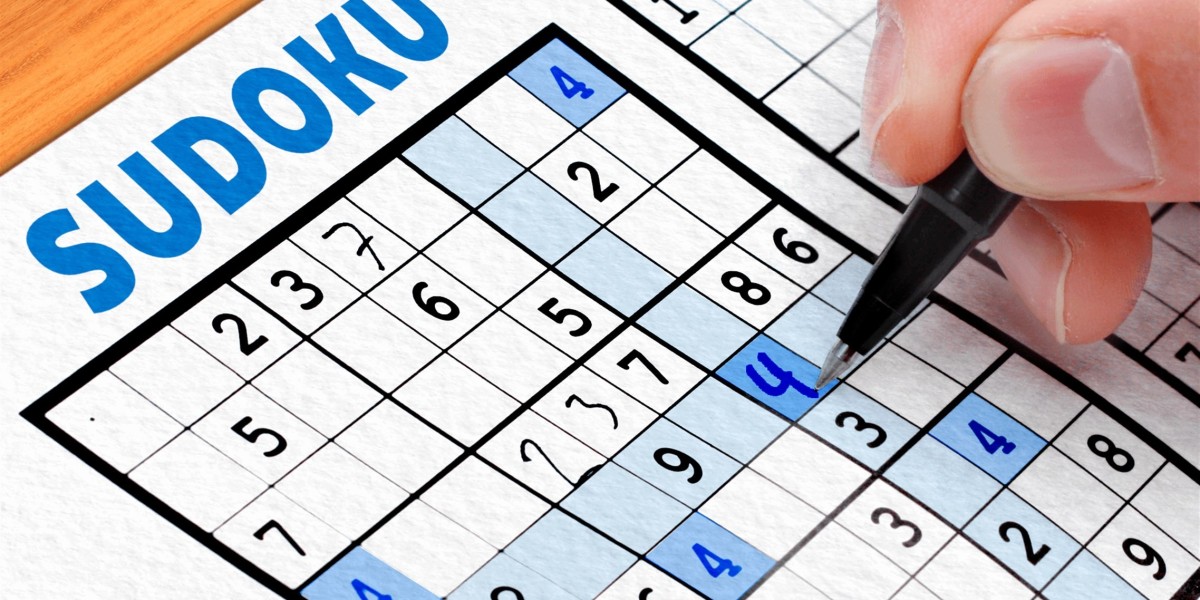

I’ve always loved a good mystery. Whether it’s a crime novel, a riddle, or a brain teaser, the thrill of piecing together clues fascinates me. That’s why Sudoku became an instant obsession. Every puzzle is like a tiny detective case: numbers scattered across a grid, clues hidden in plain sight, and a satisfying solution waiting at the end.
How I Became a Sudoku Detective
It all started on a lazy Sunday morning. I was scrolling through a puzzle app when I stumbled across a “medium” Sudoku puzzle. “How hard can it be?” I asked confidently. Fifteen minutes later, I was muttering to myself, scribbling numbers, erasing them, and realizing that Sudoku was more like a crime scene than a simple game.
The First Case: Missing 7
My first real Sudoku “investigation” involved a missing 7. It was elusive, hiding in a row, column, and box. I tried placing it in one spot, then another, only to realize I had created a chain reaction of errors. I felt like a detective whose suspect had slipped through every loophole—frustrating, hilarious, and strangely satisfying all at once.
Why Sudoku Feels Like a Mystery
Sudoku isn’t just numbers on a grid. It’s a logic puzzle, a mental challenge, and a subtle test of patience and observation.
Clues Everywhere
Each filled number provides a hint for the rest of the puzzle. You learn to observe patterns, anticipate outcomes, and deduce missing information—just like piecing together a case.
Deduction Over Guesswork
Sudoku rewards careful thought and deductive reasoning. You can’t rely on luck; you have to analyze, plan, and adjust. Every solved puzzle feels like a solved case, and that’s oddly thrilling.
Memorable Sudoku Investigations
Over the years, I’ve had plenty of memorable “cases” while playing Sudoku.
The Comedy of Errors
One night, tackling a “hard” puzzle, I misplaced a number early on. Hours later, I realized the entire grid was off. I laughed at my own mistakes, scribbles everywhere, coffee long gone cold. My dog stared at me as if to say, “Are you okay?” It was chaos, but pure fun.
The Case Closed
Contrast that with the night I solved an expert-level puzzle perfectly. Every number slid into place, and I leaned back, exhausted but euphoric. The satisfaction of completing the puzzle made me feel like Sherlock Holmes cracking a complicated case.
Tips for Aspiring Sudoku Detectives
After countless puzzles, I’ve picked up strategies that make Sudoku more enjoyable and efficient.
Start With Easy Clues
Fill in numbers that are obvious first. It helps you map out the rest of the puzzle and reduces mistakes.
Use Pencil Marks Like Evidence
In tricky puzzles, pencil marks act as clues. They help visualize possible options and prevent errors from spreading.
Take Breaks to Reassess
Sometimes, the solution isn’t clear because you’re too close. Step away, refresh your mind, and return with fresh eyes—like re-examining evidence in a case.
Observe Patterns
Sudoku is more about recognizing patterns than just numbers. Identifying sequences in rows, columns, or blocks often leads to breakthroughs.
Life Lessons from Sudoku
Sudoku isn’t just entertainment; it offers lessons applicable to life.
Patience and Attention to Detail
One misstep can ruin a puzzle. Sudoku teaches you to slow down, focus, and check your work carefully.
Persistence Pays Off
Even difficult puzzles can be solved with determination. The reward of finishing a tricky grid reminds me that perseverance is often the key to success.
Celebrate Small Wins
Filling even a few numbers correctly builds momentum. It’s a reminder that small achievements can lead to bigger victories.
Why I Keep Returning to Sudoku
Sudoku remains one of my favorite pastimes because it’s endlessly challenging, portable, and mentally stimulating. Each puzzle is unique, offering new clues, challenges, and small victories.
A Puzzle for Any Mood
Whether I want a quick five-minute distraction or an hour-long mental workout, Sudoku adapts to my mood. Easy, medium, hard, or expert—there’s always a case to solve.
A Mental Escape
Despite occasional frustration, Sudoku can be meditative. Concentrating fully on a grid provides a mental break from the stress of daily life, allowing focus and calm to return.
Final Thoughts
Sudoku has become more than just a hobby; it’s a mental adventure. From early mistakes that made me laugh to challenging puzzles that tested my patience and logic, each grid tells its own story. The thrill of piecing together numbers, spotting patterns, and finally solving a puzzle is endlessly satisfying.