
The skyline of the United Arab Emirates is a global icon of ambition. We see the Burj Khalifa piercing the clouds and the Palm Jumeirah defying the ocean. These feats of engineering are so visually stunning that it is easy to focus solely on what is above the ground. However, the most critical part of any structure is the part you never see: the foundation. And the safety of that foundation depends entirely on understanding the ground beneath it.
The geology of the UAE is deceptively complex. What looks like simple desert sand on the surface can hide a treacherous mix of loose soil, high water tables, salt cavities, and corrosive rock layers. For developers and engineers, treating the ground conditions as a known constant is a dangerous gamble.
This is why geotechnical surveys are the non-negotiable first step for successful construction projects in uae. Before a design is finalized or a crane is erected, we must ask the earth what it can support. This article delves into the science of the soil and explains why skipping or rushing this phase can lead to catastrophic failures and financial ruin.
Understanding the UAE's Unique Subsurface
To the untrained eye, the ground in Dubai or Abu Dhabi might look uniform. In reality, the subsurface profile varies wildly, sometimes within the span of a single construction site.
In coastal areas and reclaimed land, engineers often encounter loose, liquefiable sands. These soils lose their strength during seismic events or heavy vibration, turning into a liquid-like substance that can swallow foundations. In contrast, inland areas might feature "sabkha" salt flats that are highly corrosive to concrete and steel. Further inland towards the mountains, the ground turns to hard bedrock which presents excavation challenges.
Because of this variability, historical data from a neighboring plot is not enough. Just because the tower next door found stable rock at 10 meters does not mean your site will be the same. A comprehensive geotechnical investigation is the only way to map these hidden layers. It involves drilling boreholes, extracting soil samples, and testing them in a laboratory to determine their physical and chemical properties. This data forms the "genetic code" of the site, dictating every structural decision that follows.
The High Stakes of Foundation Design
The primary purpose of a geotechnical survey is to inform the foundation design. The weight of a skyscraper is immense. That load must be transferred to the ground without causing the building to sink (settlement) or tip over.
If the soil is weak, the engineer cannot use simple shallow footings. They must design deep pile foundations long concrete columns that are driven deep into the ground until they hit a hard layer or generate enough friction to hold the building up.
Without accurate geotechnical data, the structural engineer is flying blind. They are forced to make conservative assumptions. They might design piles that are 10 meters longer than necessary "just to be safe." In large construction projects in uae, where a tower might sit on hundreds of piles, this over-design wastes millions of dirhams in concrete and steel. Conversely, if they underestimate the soil's weakness, the piles might be too short, leading to structural failure. Precision in the survey leads to precision in the design, optimizing both safety and cost.
Groundwater: The Invisible Enemy
In many parts of the UAE, particularly near the coast and the creeks, the water table is very high. Dig down just a few meters, and you hit water. This presents a massive challenge for construction.
Groundwater exerts pressure. If you dig a basement for a car park, that hole wants to fill up with water. The pressure can be so immense that it can actually lift a building out of the ground a phenomenon known as buoyancy or "uplift."
A geotechnical survey measures exactly where the water table sits and how permeable the soil is. This data is crucial for designing the "dewatering" system. This is the system of pumps and wells used to keep the excavation dry during construction. If the survey is inaccurate, the dewatering system might fail, flooding the site and causing months of delays. Furthermore, the survey tests the chemical composition of the water. Groundwater in the UAE is often saline (salty) and rich in sulfates. These chemicals attack concrete and rust steel rebar. Knowing this allows engineers to specify special sulphate-resistant cement and waterproofing membranes to protect the building's roots.
The Risk of Settlement and Tilt
All buildings settle slightly after construction as the weight compresses the soil. The goal of engineering is to ensure this settlement is minimal and, more importantly, uniform.
The danger lies in "differential settlement." This happens when the soil under one side of the building is softer than the soil under the other side. As a result, one side sinks more, causing the building to tilt. This can crack walls, jam doors, and in severe cases, threaten the structural integrity of the frame.
Geotechnical surveys identify these soft spots. They reveal lenses of clay or loose pockets of sand that might compress over time. With this knowledge, engineers can treat the ground before building. They might use techniques like "vibro-compaction" to shake the sand into a dense state or inject cement grout to fill the voids. These ground improvement techniques ensure that the building settles evenly, preventing the structural distress that plagues poorly investigated sites.
Building on Reclaimed Land
The UAE is famous for its man-made islands and reclaimed coastal developments. Building on land that did not exist twenty years ago requires a specific and rigorous geotechnical approach.
Reclaimed land is essentially a massive pile of sand dumped into the sea. It takes time for this sand to settle and stabilize. If you build on it too soon without proper treatment, the ground will continue to move.
For construction projects in uae located on these islands, the geotechnical survey monitors the "consolidation" of the land. It verifies that the sand has been compacted sufficiently to support roads, utilities, and villas. It checks for the risk of liquefaction. Ignoring these specialized checks can lead to roads that buckle and utility pipes that snap as the ground shifts beneath them.
Seismic Considerations
While the UAE is not in a high-risk earthquake zone like Japan or California, it is not immune to seismic activity. The region feels tremors from earthquakes in neighboring Iran.
The local building codes now mandate seismic design for all high-rise structures. The soil type plays a huge role in how an earthquake affects a building. Soft, loose soils can amplify the shaking, making the earthquake feel much stronger at the surface than it is in the bedrock.
Geotechnical surveys classify the "Site Class" of the soil. This classification tells the structural engineer how much force the building needs to withstand during a tremor. A building on rock (Site Class A) is designed differently than a building on soft clay (Site Class E). Accurate classification ensures that the tower is flexible enough to sway without breaking, protecting the lives of the occupants.
Facilitating Deep Excavations
Modern developments often require deep basements for parking or underground retail. Excavating a hole 20 meters deep next to an existing road or building is a delicate operation. You have to prevent the walls of the hole from collapsing and stop the neighbor's building from sliding into your site.
Geotechnical parameters such as the "angle of internal friction" and "cohesion" of the soil are used to design the shoring system. Shoring is the temporary wall that holds back the earth.
If the soil data is wrong, the shoring wall might be too weak. A collapse of a shoring wall is one of the most dangerous accidents in construction. It risks the lives of workers and can undermine adjacent infrastructure. A detailed survey allows engineers to calculate the exact pressures acting on the wall, ensuring a safe working environment for the excavation team.
Legal and Insurance Requirements
Beyond the engineering logic, there is a legal imperative. The regulatory authorities in the UAE, such as the Dubai Municipality, will not issue a building permit without a certified geotechnical report. They require proof that the foundation design is based on actual site data.
Furthermore, insurance companies demand these reports. If a defect appears later—cracks in the basement or sinking floors—the first thing the insurance adjuster asks for is the soil report. If the developer cut corners and did not perform an adequate survey, the insurance policy might be voided.
In the litigious world of construction, the geotechnical report is a key defense document. It proves that the team performed their due diligence. It shifts the liability away from negligence. For international investors funding construction projects in uae, this level of risk management is essential.
Optimizing Construction Logistics
The soil report even influences the construction logistics. It tells the contractor what kind of machinery they need.
If the report shows hard rock at 2 meters, the contractor knows they cannot use standard excavators; they need rock breakers or blasting permits. If the report shows loose sand, they know they need tracked vehicles that won't get stuck.
Knowing the water table depth tells them if they need two dewatering pumps or twenty. This information is vital for the project schedule and budget. It prevents the contractor from arriving on site with the wrong equipment, which causes immediate delays. It allows for a precise construction execution plan that aligns with the physical reality of the site.
Conclusion: The Foundation of Success
It is tempting for developers to view geotechnical surveys as a boring administrative hurdle—a box to be ticked as cheaply as possible. This mindset is a mistake. The cost of a high-quality survey is a tiny fraction of the total project budget, yet it influences 100% of the structural risk.
The soil is the canvas upon which we build. If the canvas is torn or weak, the masterpiece will crumble. In the ambitious and technically demanding environment of the UAE, respecting the ground is the first rule of engineering.
When you are planning your next development, you need a team that understands the interplay between the earth and the structure. You need partners who do not just read the data but interpret it to optimize your design and protect your asset.
Your BIM Partner offers this expertise.
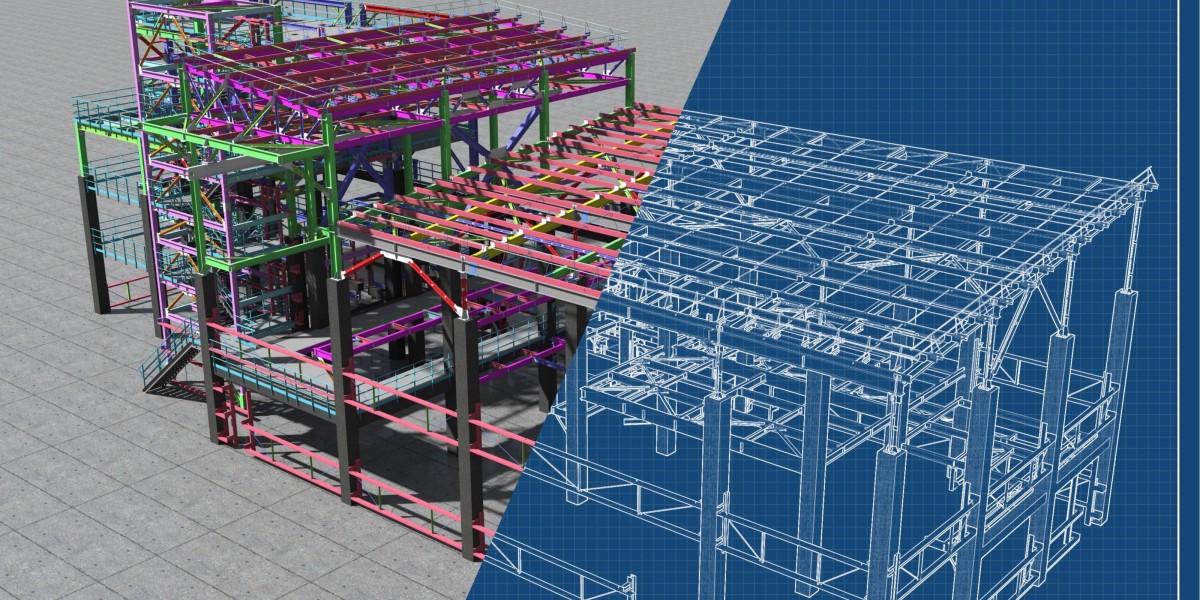
We provide comprehensive engineering support and construction projects in uae management solutions. We help you integrate geotechnical data into your BIM models, ensuring that your foundation design is coordinated, efficient, and safe. From the first borehole to the final pile cap, Your BIM Partner bridges the gap between the ground below and the vision above. Build on certainty, not assumptions, with us.