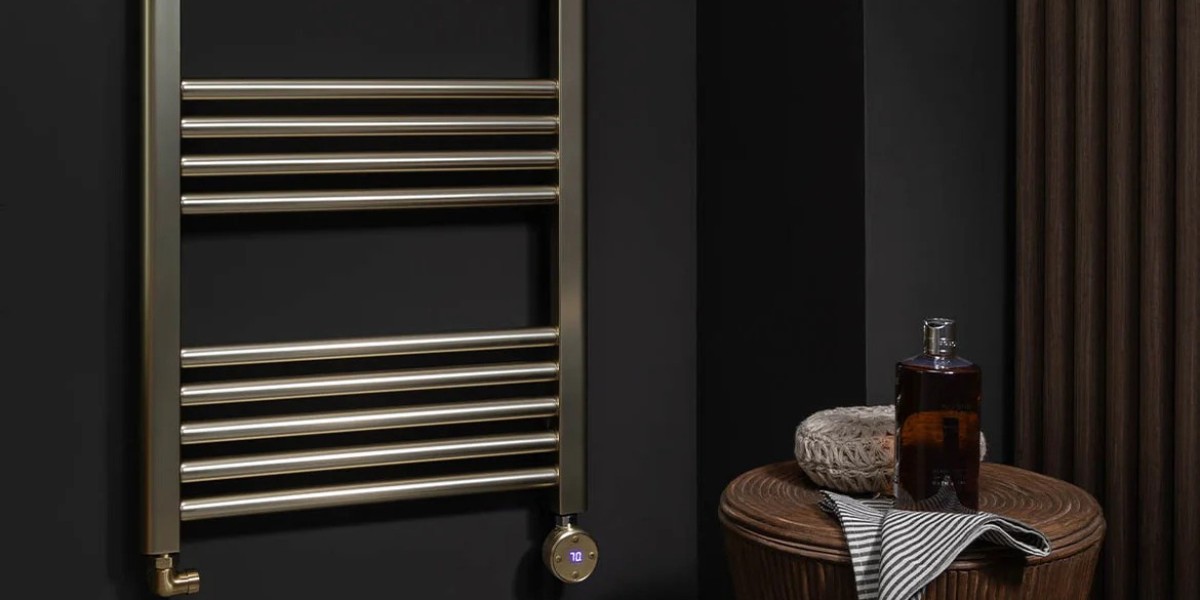

Electric towel rails are a simple upgrade that adds comfort, quicker drying, and a touch of hotel-style convenience at home. But because electric towel rails combine heat, moisture, and electrics—often in a bathroom—fixing them needs a careful, safety-first approach. Whether you’re dealing with a rail that won’t heat up, keeps tripping the circuit, or needs re-fixing to the wall, the right steps can save time and prevent repeat issues.
This article covers what “fixing” electric towel rails usually involves: securing the rail properly, checking the electrical supply and controls, and troubleshooting the most common heating problems—without risking damage to the unit or your home’s wiring.
Before You Start: Safety Comes First
Bathrooms are a higher-risk area for electrical work. If you’re not trained and certified for electrical repairs, don’t open wiring terminals, replace heating elements, or alter the circuit. For anything beyond basic checks (like confirming a timer setting), it’s best to use a qualified electrician. If you notice burning smells, scorch marks, buzzing, water ingress, or repeated circuit trips, switch off the power at the consumer unit and get professional help.
Even when you’re only doing mechanical fixing—like tightening brackets—always isolate the power first. Electric towel rails can heat unexpectedly if a timer or thermostat activates.
Fixing the Position: Securing Electric Towel Rails to the Wall
A towel rail that feels loose, leans forward, or creaks under weight usually needs attention at the brackets. Over time, repeated pulling of towels, vibration from heating cycles, and slightly unsuitable fixings can work screws loose.
Start by checking the mounting points. If screws are loose but still gripping properly, tightening may be enough. If the screws spin without tightening, the wall plug has likely failed or the plasterboard has weakened. In that case, the rail should be removed and re-fixed using appropriate fixings for the wall type. Solid walls normally need good-quality plugs and the correct drill size; stud walls typically require heavy-duty plasterboard fixings or a secure fixing into a timber stud.
Once refitted, the rail should sit square, with even spacing from the wall. This matters because poor alignment can stress the brackets and, in some cases, put strain on the cable entry point.
When Electric Towel Rails Don’t Heat Up
If electric towel rails power on but don’t warm up, the cause is often something simple. First, confirm the isolator switch is on and that any timer or controller is set correctly. It’s surprisingly common for rails to appear “broken” when they’re simply outside programmed heating times or set to a low temperature.
If the rail has a thermostat, increase the setting and allow time for heat to build. Some rails warm gradually rather than instantly. Also check whether only part of the rail is cold, or the entire rail stays cold—partial heating can hint at internal element issues, while no heating at all may point to the supply or control.
When the rail has a fused spur (common for fixed bathroom appliances), a blown fuse can stop it heating. Replacing a fuse is straightforward for an electrician, but if a fuse repeatedly blows, that indicates an underlying fault that must be investigated rather than bypassed.
If the Circuit Trips: What It Usually Means
When electric towel rails trip the circuit breaker or RCD, it often points to a leakage fault, damaged wiring, or moisture getting where it shouldn’t. This is not a “try again” situation. A repeated trip is the home protecting itself, and forcing it back on can escalate a minor issue into a serious one.
Common triggers include a compromised heating element, a nicked cable, loose terminals, or water ingress at the wiring point. Another cause can be incorrect installation, such as unsuitable cable routing or an incorrect rating of protective devices. A professional can test the insulation resistance and confirm whether the fault is within the rail, the spur, the controller, or the circuit.
Fixing Controls: Timers, Thermostats, and Switches
Many heating complaints are actually control issues. If electric towel rails heat intermittently, the timer programme may be too short, the thermostat may be cycling normally, or the controller may be placed in a spot that misreads room temperature.
If the display or buttons behave strangely, power cycling can sometimes reset a controller, but persistent issues may need a replacement unit. Controls should always match the rail’s electrical rating and be suitable for the bathroom environment. Incorrect or low-quality controllers can cause inconsistent heating and nuisance trips.
Bleeding and Water Checks: Only for Dual-Fuel or Plumbed Rails
It’s worth clarifying: electric towel rails can be fully electric (dry) or they can be plumbed (hydronic) with an electric element added. If your towel rail is connected to a central heating system, then “fixing” might involve bleeding trapped air, checking valves, or addressing leaks.
A purely electric rail doesn’t need bleeding. If you’re unsure which type you have, look for pipe connections and valves at the bottom—plumbed rails will have them. Any leak around valves, joints, or the element entry point should be dealt with quickly to prevent damage to walls, floors, and electrics.
Signs the Heating Element May Need Replacing
When electric towel rails stop performing properly despite correct settings and a healthy power supply, the heating element can be the culprit. Symptoms can include very slow warming, uneven heat, frequent tripping, or a rail that stays stone cold with no controller faults.
Element replacement is typically a job for a competent professional, especially in bathrooms. Correct sizing matters too: an element that’s underpowered can feel disappointing, while an incorrectly specified one can stress components.
Preventing Repeat Problems
Electric towel rails last longer when they’re treated as a heating appliance rather than a clothes hanger. Avoid overloading the rail with heavy, wet towels that pull at the brackets. Keep the rail clean so dust and residue don’t bake onto hot surfaces, and don’t use harsh cleaners that can damage finishes and seals.
It also helps to ensure the rail is installed with the right clearances around it. Restricted airflow can affect how evenly it warms and may cause the unit to cycle more often than necessary.
For product-specific care guidance and compatible control options, details are typically provided with purchases sourced through tapron ireland, which can help ensure the rail, fixings, and controls are correctly matched.
Conclusion
Fixing electric towel rails can mean anything from tightening wall brackets to diagnosing a heating fault. The key is to separate mechanical issues from electrical ones and to handle each safely. Basic checks—like settings, power isolation, and secure mounting—can solve many common problems. But when electric towel rails trip circuits, show signs of moisture ingress, or need internal electrical work, professional testing and repair is the safest route.
Done properly, electric towel rails remain a reliable, low-maintenance comfort that keeps bathrooms warmer and towels dry day after day.
FAQs
Why are my electric towel rails not getting hot even though the switch is on?
Check timer settings, thermostat level, and whether the rail is within programmed heating periods. If settings are correct, the issue may be the fuse, controller, or heating element.
Can I re-fix electric towel rails to the wall myself?
If you isolate the power and it’s a straightforward bracket tightening or re-fixing with suitable wall fixings, it may be possible. Avoid any work that involves opening electrical connections unless you are qualified.
Why do electric towel rails trip the RCD?
This often indicates an electrical leakage fault, damaged wiring, or moisture ingress. Turn off the power and have the rail and circuit tested by a qualified electrician.
Do electric towel rails need bleeding?
Only if the rail is plumbed into central heating (or dual-fuel). A purely electric rail does not contain water and does not need bleeding.
How can I make electric towel rails heat more efficiently?
Use a timer to run them only when needed, keep brackets secure, maintain good airflow around the rail, and avoid overloading it with heavy, wet towels.