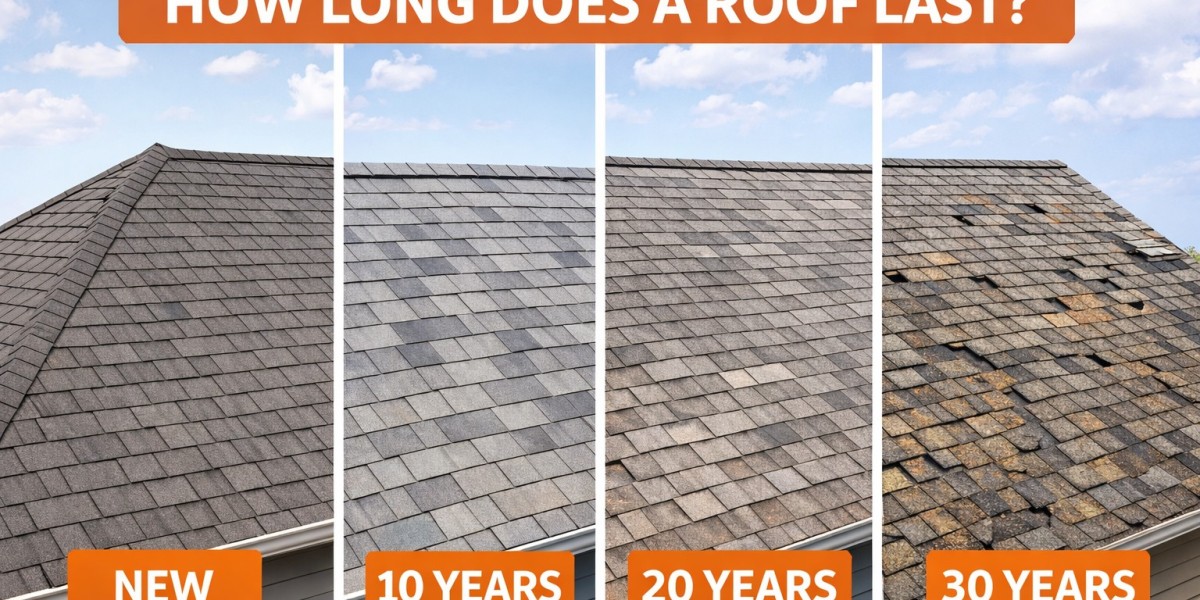

One of the most common questions homeowners ask is how long does a roof last. A roof is one of the most important investments in any property, yet it is often overlooked until signs of damage appear. Understanding roof lifespan helps homeowners plan maintenance, avoid unexpected costs, and protect the long-term value of their home.
The reality is that roof lifespan is not a fixed number. It depends on several factors including roofing material, climate, installation quality, and how well the roof is maintained over time. This guide explains what affects roof longevity, how long different roofs typically last, and how homeowners can extend the life of their roof.
Why Roof Lifespan Is So Important
Your roof is the first line of defense against rain, wind, snow, heat, and moisture. When a roof begins to fail, the damage rarely stays on the surface. Water intrusion can lead to mold growth, insulation damage, wood rot, and even structural issues.
Knowing how long a roof lasts allows homeowners to take action before problems become serious. Planning ahead also helps avoid emergency roof replacements, which are often more expensive and disruptive than scheduled maintenance or upgrades.
Average Roof Lifespan by Roofing Material
Roof lifespan varies widely based on the material used. Below are realistic averages assuming proper installation and routine maintenance.
Asphalt Shingle Roofs
Asphalt shingles are the most widely used roofing material in North America.
Average lifespan: 15 to 25 years
Architectural shingles often last longer than standard shingles
Poor ventilation and extreme heat can shorten lifespan
Asphalt roofs are affordable and effective, but they require regular inspections to reach their expected lifespan.
Metal Roofing
Metal roofing is known for strength and long-term durability.
Average lifespan: 40 to 70 years
Resistant to fire, rot, and insect damage
Performs well in harsh weather conditions
Metal roofs often have a higher upfront cost but provide long-term value due to minimal maintenance and extended lifespan.
Wood Shake and Shingle Roofs
Wood roofs offer a natural and traditional appearance.
Average lifespan: 25 to 30 years
Requires consistent maintenance
Sensitive to moisture and fire if untreated
In damp climates, wood roofs must be carefully maintained to prevent premature decay.
Tile Roofing (Clay or Concrete)
Tile roofs are highly durable and long-lasting.
Average lifespan: 50 years or more
Excellent resistance to weather and UV exposure
Heavy material requiring proper structural support
Tile roofing is often chosen for longevity and architectural appeal.
Slate Roofing
Slate is one of the longest-lasting roofing materials available.
Average lifespan: 75 to 100+ years
Natural stone with exceptional durability
Requires specialized installation
Many slate roofs last longer than the homes they protect.
Key Factors That Affect How Long a Roof Lasts
Even high-quality roofing materials can fail early if conditions are not ideal. Several factors play a major role in roof longevity.
Climate and Weather Exposure
Roofs exposed to heavy rainfall, snow, strong winds, or intense sun tend to wear out faster. Freeze-thaw cycles, UV exposure, and moisture buildup all contribute to gradual deterioration.
Quality of Installation
Poor installation is one of the most common reasons roofs fail prematurely. Improper flashing, incorrect fasteners, or low-quality underlayment can reduce roof lifespan by many years.
Roof Ventilation
Proper ventilation helps regulate attic temperature and moisture levels. Without it, trapped heat and condensation can damage roofing materials from the inside out.
Maintenance and Inspections
Regular roof inspections help identify small issues early. Clearing debris, sealing flashing, and fixing minor damage can significantly extend roof lifespan.
Signs a Roof Is Nearing the End of Its Life
Understanding how long a roof lasts also means knowing when replacement may be approaching. Common warning signs include:
Curling, cracked, or missing shingles
Rusted or loose metal panels
Excessive granule loss on asphalt shingles
Sagging roof sections
Water stains on ceilings or walls
Moss or algae growth that continues to spread
When several of these signs appear at once, the roof may be nearing the end of its service life.
Can a Roof Last Longer Than Expected?
Yes. Many roofs exceed their expected lifespan when properly cared for. Homeowners who schedule regular inspections and address problems early often avoid major repairs and premature replacement.
Preventive maintenance is far less expensive than dealing with widespread damage caused by neglect.
Roof Repair vs Roof Replacement
When roof problems arise, homeowners often wonder whether repairs are enough or if replacement is necessary.
Repairs are suitable for localized damage on newer roofs
Replacement is recommended when damage is widespread or the roof is aging
A professional roof inspection can determine whether repairs will provide long-term value or if replacement is the better investment.
How to Extend the Life of Your Roof
Homeowners can take simple steps to maximize roof lifespan:
Schedule professional roof inspections annually
Keep gutters clean and clear of debris
Repair small leaks immediately
Ensure proper attic ventilation
Avoid pressure washing roofing materials
Trim overhanging branches near the roof
These practices reduce wear and help roofing materials perform as designed.
Final Thoughts: How Long Does a Roof Last?
So, how long does a roof last? The answer depends on the roofing material, climate, installation quality, and maintenance habits. While some roofs last only a few decades, others can protect a home for generations.