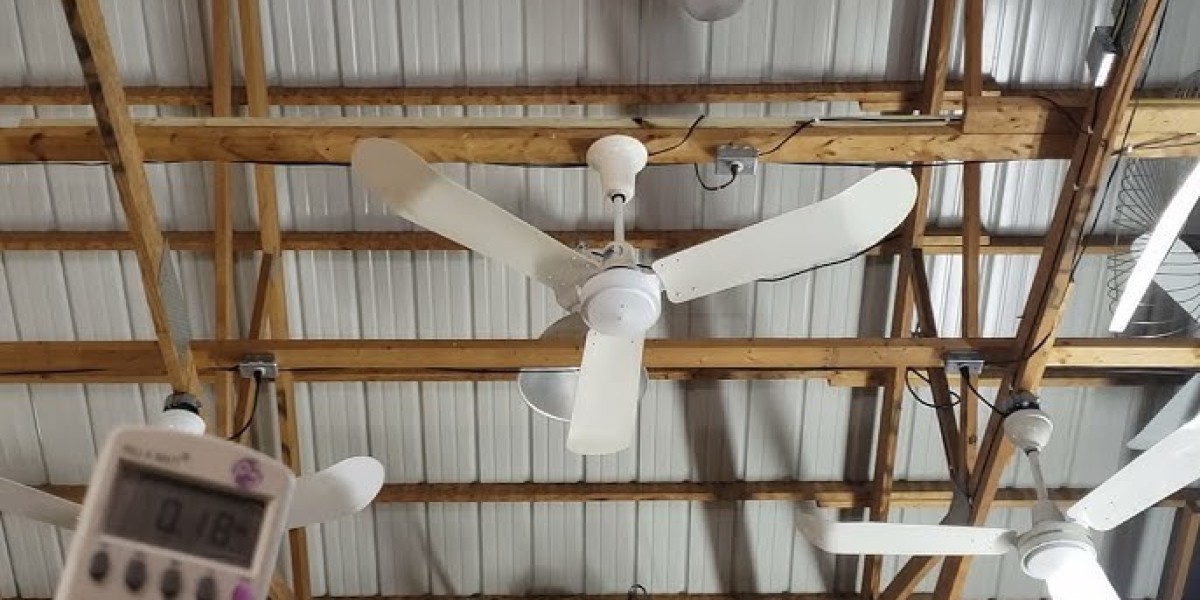

Proper ventilation is essential for modern agricultural operations. Whether managing livestock barns, poultry houses, greenhouses, or crop storage facilities, agricultural fans play a vital role in maintaining air quality, temperature control, and overall productivity. Choosing the right agricultural fan requires understanding the different types available, their benefits, and how to maximize energy efficiency.
Types of Agricultural Fans
agricultural fans are designed for specific farming applications and environments. Circulation fans are commonly used in barns and greenhouses to keep air moving evenly, preventing heat buildup and humidity issues. These fans improve airflow without directly exchanging indoor and outdoor air.
Exhaust fans remove stale, hot, or contaminated air from enclosed spaces. They are essential in livestock and poultry facilities where ammonia, moisture, and odors must be controlled to maintain animal health. Intake or supply fans work alongside exhaust systems, bringing fresh air into the facility for balanced ventilation.
High-volume, low-speed (HVLS) fans are increasingly popular in large agricultural buildings. Their wide diameter allows them to move large amounts of air at low speeds, providing uniform airflow while using minimal energy. Portable fans are also useful for temporary or targeted ventilation needs, especially during peak heat periods.
Key Benefits of Agricultural Fans
One of the main benefits of agricultural fans is improved temperature regulation. Consistent airflow helps reduce heat stress in animals and prevents overheating in crops. For livestock, better ventilation supports feed efficiency, growth rates, and overall well-being.
Agricultural fans also help control moisture and humidity levels. Excess moisture can lead to mold growth, poor air quality, and equipment corrosion. By improving air circulation and ventilation, fans create healthier environments that reduce disease risks and protect stored products.
Improved airflow also enhances indoor air quality by removing dust, odors, and harmful gases. This creates safer working conditions for farm workers while supporting long-term animal and crop health.
Energy-Saving Tips for Agricultural Fan Systems
Energy efficiency is a key consideration when selecting agricultural fans. Choosing fans with high-efficiency motors and variable-speed controls allows operators to adjust airflow based on seasonal or daily needs, reducing unnecessary power consumption.
Proper fan placement is equally important. Strategically positioning fans ensures even airflow and minimizes the number of units required. Regular maintenance—such as cleaning blades, checking belts, and inspecting motors—keeps fans operating at peak efficiency.
Integrating fans with automated climate control systems and sensors can further optimize energy use. These systems adjust fan operation based on temperature, humidity, and occupancy, ensuring optimal conditions while minimizing energy waste.
Selecting the Right Fan for Your Operation
When choosing agricultural fans, consider the size of the building, ceiling height, ventilation requirements, and specific agricultural activities. Durability is also critical, as agricultural environments often expose equipment to dust, moisture, and corrosive elements.
Investing in high-quality agricultural fans may have a higher upfront cost, but the long-term benefits—lower energy bills, improved productivity, and reduced maintenance—make it a smart investment.
Conclusion
Choosing the right agricultural fans is essential for creating healthy, efficient, and productive farming environments. By understanding the different fan types, recognizing their benefits, and implementing energy-saving strategies, agricultural operators can enhance ventilation while controlling operational costs. The right fan solution supports animal comfort, crop quality, and sustainable farm operations year-round.