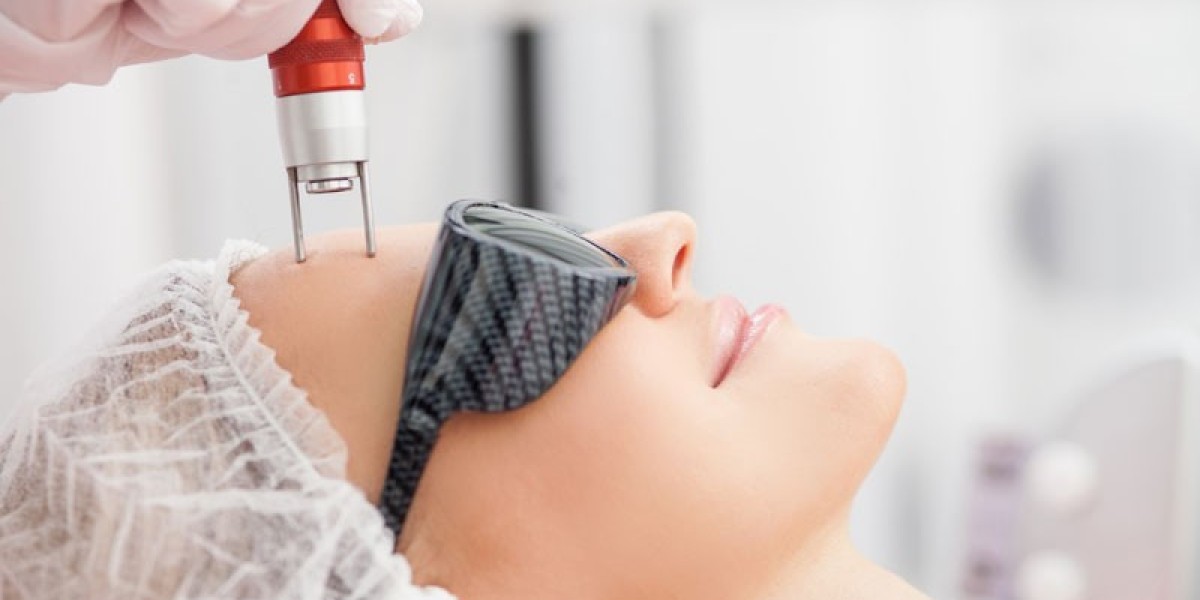

When considering a laser solution for pigmentation, scars, or skin rejuvenation, one of the most common questions is: “How many sessions will I need?” Q-switched Laser Treatment is widely recognized for its effectiveness in breaking down pigment and stimulating skin renewal, but the number of sessions varies depending on several individual factors. Understanding what influences session requirements can help set realistic expectations and ensure a safe, effective treatment plan.
Factors That Influence the Number of Sessions:
The number of Q-switched laser sessions needed is not the same for everyone. It depends on the type of pigmentation, its depth, skin type, and how the body naturally responds to treatment. Other influencing factors include:
Severity and density of pigmentation
Skin tone and melanin concentration
Age of the pigmentation or scar
Overall skin sensitivity and healing ability
Superficial Pigmentation and Sunspots:
Pigmentation located near the surface of the skin, such as sunspots or freckles, generally responds faster to Q-switched lasers. Because the laser targets pigment selectively without harming surrounding tissue, lighter, more superficial spots often require fewer sessions. Typically:
2–4 sessions spaced 4–6 weeks apart
Noticeable fading after the first or second session
Gradual improvement for a uniform skin tone
Deeper or Persistent Pigmentation:
Deeper pigmentation, like melasma or post-inflammatory hyperpigmentation, is more resistant and often requires a longer treatment course. Because the pigment lies in the deeper layers, the laser needs repeated, careful targeting over time. For these cases:
5–8 sessions may be required for significant improvement
Sessions are spaced 4–6 weeks to allow natural clearance
Gradual results help reduce the risk of rebound pigmentation
Tattoo Removal with Q-Switched Laser:
Q-switched lasers are also widely used for tattoo removal, and session requirements vary depending on ink color, density, and depth. Darker inks respond faster, while lighter or multi-colored tattoos may take longer. Typical guidelines include:
6–10 sessions for professional tattoos
3–6 sessions for smaller or amateur tattoos
Sessions spaced 6–8 weeks apart to allow pigment clearance
Skin Type and Treatment Response:
Skin type plays a significant role in determining the number of sessions. Darker skin tones require more cautious treatment to avoid hypopigmentation or irritation, which may lengthen the treatment plan. Lighter skin tones can often tolerate higher energy levels safely, allowing quicker results. Considerations include:
Higher melanin levels require conservative energy settings
Individual healing rate affects how quickly pigment is cleared
Customization ensures safety while optimizing results
Session Duration and Frequency:
Each Q-switched laser session is relatively quick, often taking 10–30 minutes depending on the area treated. The frequency of sessions is designed to allow the skin time to heal and pigment to be naturally cleared by the body. Key points include:
Typical spacing of 4–6 weeks between sessions
Allows macrophages to remove broken-down pigment
Prevents over-treatment and reduces side effects
Expected Results Over Multiple Sessions:
Results from Q-switched laser treatment are gradual, and patients often notice progressive improvement with each session. It is important to understand that full clearance or optimal rejuvenation is rarely achieved in a single treatment. Expected results include:
Gradual fading of dark spots and pigmentation
Improved skin tone and texture over multiple sessions
Long-lasting results with consistent care and maintenance
Maintenance Sessions and Long-Term Care:
Even after completing the recommended course of Q-switched laser sessions, maintenance may be required for optimal long-term results. Sun exposure, hormonal changes, or skin trauma can trigger new pigmentation. Maintenance strategies include:
Periodic touch-up sessions every 6–12 months
Consistent use of broad-spectrum sunscreen
Gentle skincare routines to minimize irritation and pigmentation triggers
Signs You May Need Additional Sessions:
Some individuals may require more sessions than initially planned due to persistent pigmentation or slower clearance. Signs that additional treatments may be needed include:
Uneven fading of pigmentation
Dark spots remaining after recommended sessions
Slow progression in skin tone improvement
Preparing for Your Q-Switched Laser Sessions:
Proper preparation can optimize outcomes and potentially reduce the number of sessions needed. Following pre-treatment guidelines helps the skin respond effectively while minimizing risks. Recommendations include:
Avoiding sun exposure and tanning before sessions
Using gentle skincare products to prevent irritation
Following practitioner instructions for optimal healing
Monitoring Progress and Adjusting Treatment Plans:
Regular evaluation by a qualified practitioner ensures the treatment plan aligns with individual response and results. Adjustments can be made based on progress, skin reaction, and personal goals. Effective monitoring includes:
Tracking changes in pigmentation or skin clarity
Adjusting laser energy and session frequency as needed
Planning maintenance or touch-up sessions strategically
Final Thoughts.
The number of Q-switched laser sessions required depends on multiple factors, including pigmentation depth, skin type, and treatment goals. While superficial spots may clear in just a few sessions, deeper pigmentation or tattoos often need longer treatment courses. Gradual, controlled treatments maximize safety and efficacy, while maintenance and proper skin care ensure lasting results. Understanding these variables helps patients approach Q-switched laser treatment with realistic expectations and confidence in achieving clearer, rejuvenated skin.