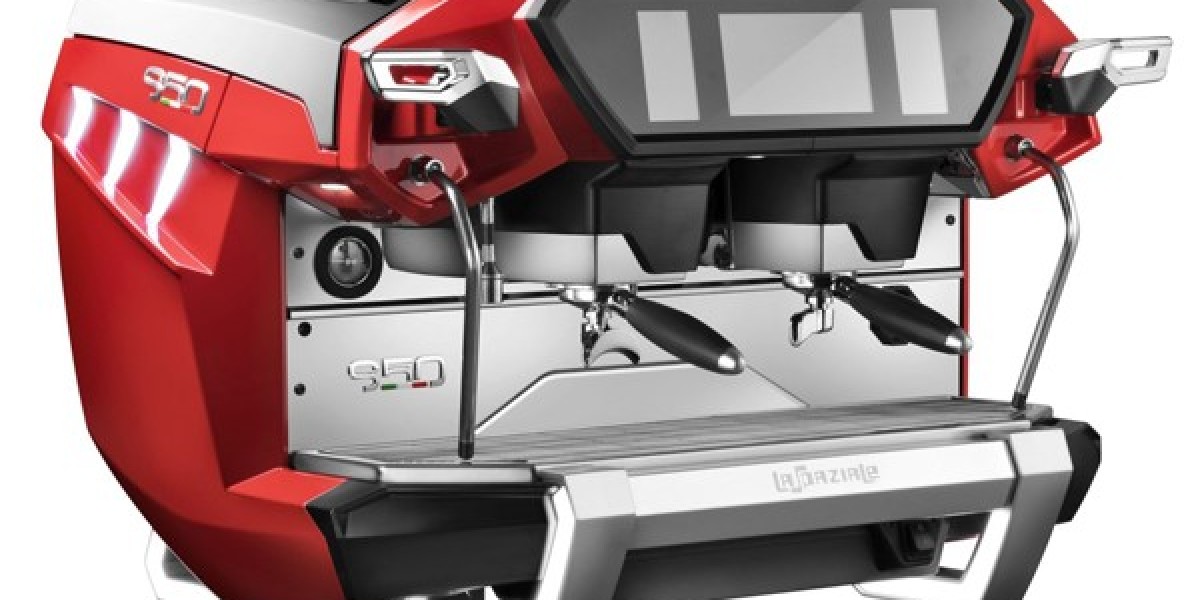

Espresso is often misunderstood as simply strong coffee, but in reality it is a precise brewing method governed by physics, chemistry, and timing. At the center of this process lies a factor many overlook: grinding. While it may seem convenient to use a general-purpose grinder, espresso demands far more control. The grind size, consistency, and particle distribution must align perfectly with pressure and water flow. This is why professionals insist on using an espresso grinder specifically designed for this task. Without it, even the finest beans and most careful technique fail to deliver balance, depth, or crema. Understanding this relationship reveals why espresso is unforgiving and why dedication at the grinding stage defines the final cup.
The Science Behind Espresso Extraction
Pressure, Resistance, and Particle Size
Espresso brewing forces hot water through compacted coffee at high pressure. This pressure only works correctly when the coffee bed provides uniform resistance. If particles vary too much in size, water finds weak paths, extracting unevenly. Fines over-extract and turn bitter, while larger fragments under-extract and taste sour. A grinder built specifically for espresso creates a narrow particle range that allows pressure to work as intended, forming a stable extraction environment.
Surface Area and Flavor Development
The grind size directly controls surface area. Espresso relies on an optimal surface exposure that allows soluble compounds to dissolve quickly within a short brewing time. If the grind is inconsistent, some particles release flavor too fast while others barely contribute. Dedicated grinding technology ensures each particle participates evenly, allowing sweetness, acidity, and bitterness to develop in harmony rather than competing chaotically.
Flow Rate Control During Brewing
Espresso extraction happens in seconds, not minutes. Small deviations in grind size dramatically alter flow rate. A grinder designed for other brewing methods lacks the micro-adjustments required to fine-tune this flow. Espresso-specific grinding mechanisms allow subtle calibration, ensuring water passes through the coffee bed at the correct speed to preserve aroma and body.
Why Standard Grinders Fall Short
Inconsistent Grind Distribution
Most general grinders prioritize versatility over precision. They produce a wide spread of particle sizes that may work for immersion or filter methods but fail under pressure. This inconsistency makes espresso unpredictable, forcing users to compensate with tamping force or dose changes that rarely solve the root issue.
Limited Adjustment Precision
Espresso requires extremely fine tuning sometimes adjusting grind size by fractions of a millimeter. Standard grinders often jump between settings that are too coarse or too fine, leaving no usable middle ground. This lack of control leads to wasted coffee and frustration, as small changes in beans or humidity demand precise recalibration.
Heat and Static Interference
Grinding generates heat and static, both of which affect extraction. Many non-specialized grinders generate excess friction, warming the grounds and altering volatile compounds before brewing begins. Static causes clumping, disrupting even distribution in the portafilter. Dedicated designs minimize these issues, protecting flavor integrity from the first step.
Consistency as the Foundation of Quality Espresso
Repeatability Across Multiple Shots
One excellent shot means little if the next is disappointing. Espresso thrives on consistency, especially in professional or daily-use environments. Dedicated grinding systems deliver repeatable results, allowing the same recipe to be recreated shot after shot without constant adjustment or guesswork.
Dialing In Without Compromise
Dialing in espresso involves balancing dose, grind, and yield. When the grinder lacks precision, adjustments affect too many variables at once. Espresso-focused grinders isolate grind changes, making dialing in a methodical, controlled process rather than trial and error. This clarity shortens learning curves and reduces waste.
Respecting Bean Characteristics
Different beans respond differently to pressure and extraction. A grinder built for espresso allows subtle adaptations that respect origin, roast level, and freshness. Instead of forcing beans to conform to equipment limitations, the grinder adapts to the coffee, revealing nuanced flavors otherwise lost.
The Relationship Between Grinder and Brewing Equipment
Mechanical Harmony in the Brewing Process
Espresso preparation is a chain of interdependent steps. When grinding fails, every step after it suffers. The grinder sets the foundation upon which distribution, tamping, and brewing depend. Without proper grinding, even flawless technique cannot compensate for structural weaknesses in the coffee bed.
Reducing Channeling and Extraction Defects
Channeling occurs when water bypasses parts of the coffee bed, extracting unevenly. Poor grind quality is one of its main causes. Espresso-specific grinders reduce clumping and uneven density, allowing water to flow evenly and predictably through the puck.
Long-Term Skill Development
Using proper tools shapes better habits. A dedicated grinder teaches users to understand cause and effect in espresso preparation. Instead of masking problems with force or timing tricks, it encourages thoughtful adjustments, building genuine skill rather than reliance on shortcuts.
Why Espresso Demands Specialized Tools
Espresso Is a High-Pressure Method
Unlike other brewing styles, espresso magnifies small errors. A minor grind inconsistency becomes a major flavor flaw under pressure. Specialized grinders are not luxury items; they are functional necessities designed to operate within espresso’s narrow tolerance window.
Efficiency Without Sacrificing Quality
Using the right grinder reduces wasted shots and time spent correcting avoidable mistakes. This efficiency matters not just in cafés but also at home, where consistency enhances enjoyment and confidence. Precision streamlines the entire workflow without compromising flavor.
Elevating the Entire Experience
Espresso is as much about texture and aroma as taste. Proper grinding supports crema formation, mouthfeel, and aromatic intensity. These sensory qualities define espresso and cannot be achieved reliably without equipment built for the task.
Final Thought: Precision Is Not Optional in Espresso
Espresso rewards attention to detail and punishes shortcuts. While many factors influence the final cup, grinding remains the most critical and least forgiving. A dedicated approach to grinding aligns particle size, resistance, and extraction time into a controlled system. This precision allows the brewing process to unfold as intended, letting flavor shine rather than struggle. Ultimately, the quality potential of an espresso coffee machine can only be fully realized when it is paired with a grinder designed specifically to meet espresso’s uncompromising demands.