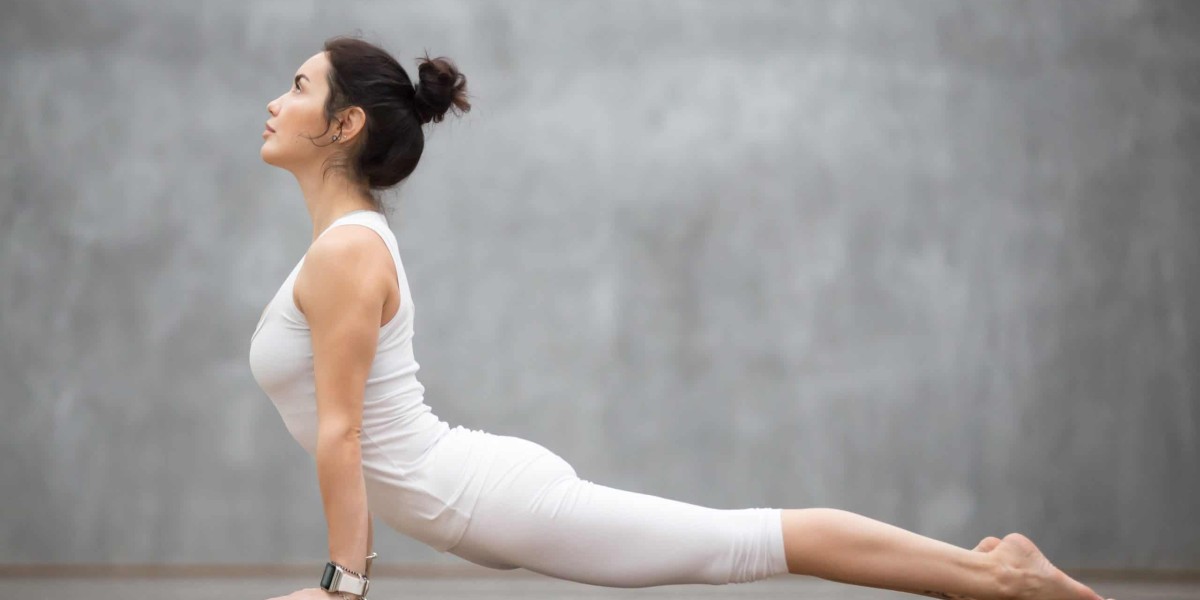

Hatha Yoga is one of the most widely practiced forms of yoga in the world today. Known for its physical postures, breathing techniques, and meditative practices, Hatha Yoga offers a holistic approach to health and well-being. This article explores the history, benefits, and techniques of Hatha Yoga, providing a comprehensive understanding for beginners and seasoned practitioners alike.
The History of Hatha Yoga
Hatha Yoga has its roots in ancient India and can be traced back over 2,000 years. It is a branch of traditional yoga that focuses on the physical and energetic aspects of the body. The term "Hatha" is derived from the Sanskrit words ha, meaning "sun," and tha, meaning "moon," symbolizing the balance of opposing forces within the body.
The earliest detailed texts on Hatha Yoga, such as the Hatha Yoga Pradipika, were written during the 15th century. These texts outline various asanas (postures), pranayama (breathing techniques), mudras (gestures), and shatkarmas (cleansing practices) that form the foundation of Hatha Yoga. Unlike some other yoga practices that emphasize spiritual or philosophical teachings, Hatha Yoga provides a structured system for aligning the body and mind through physical discipline.
Core Principles of Hatha Yoga
Hatha Yoga emphasizes balance, discipline, and mindfulness. The primary goal is to prepare the body for deeper meditation and spiritual practices by strengthening the body and calming the mind. There are several core principles that define Hatha Yoga:
Balance of Energy: Hatha Yoga seeks to balance the solar (ha) and lunar (tha) energies within the body.
Mind-Body Connection: Practitioners focus on synchronizing breath with movement, promoting mental clarity and physical stability.
Progressive Discipline: Hatha Yoga encourages gradual mastery of postures and techniques to prevent injury and enhance long-term benefits.
By following these principles, Hatha Yoga serves as a bridge between physical fitness and mental well-being.
Benefits of Hatha Yoga
Hatha Yoga provides a multitude of benefits for the body, mind, and spirit. Some of the key advantages include:
Physical Benefits
Improved Flexibility: Regular practice of Hatha Yoga postures helps to stretch and lengthen muscles, increasing overall flexibility.
Enhanced Strength: Holding poses builds muscle strength and endurance without excessive strain on joints.
Better Posture and Alignment: Hatha Yoga encourages proper body alignment, reducing the risk of chronic pain and injury.
Detoxification: The combination of postures and breathing techniques helps stimulate circulation and cleanse the body of toxins.
Mental and Emotional Benefits
Stress Reduction: Hatha Yoga promotes relaxation through mindful breathing and meditation, lowering cortisol levels.
Improved Concentration: Synchronizing breath with movement enhances focus and mental clarity.
Emotional Balance: Regular practice supports emotional resilience by calming the nervous system and promoting a sense of inner peace.
Holistic Health Benefits
Hatha Yoga not only strengthens the body and mind but also supports overall wellness. By integrating physical, mental, and spiritual practices, it fosters a sense of harmony and well-being that extends beyond the yoga mat.
Key Techniques in Hatha Yoga
Hatha Yoga involves a combination of postures, breathing exercises, and meditative practices. Each technique is designed to balance the body’s energies and prepare the practitioner for deeper spiritual exploration.
Asanas (Postures)
Asanas are the physical postures that form the core of Hatha Yoga practice. They range from simple poses suitable for beginners to advanced postures that require significant flexibility and strength. Common Hatha Yoga asanas include:
Tadasana (Mountain Pose): Promotes proper alignment and grounding.
Adho Mukha Svanasana (Downward-Facing Dog): Stretches the back, legs, and shoulders while calming the mind.
Bhujangasana (Cobra Pose): Strengthens the spine and opens the chest.
Practicing asanas regularly helps improve body awareness, posture, and overall physical health.
Pranayama (Breathing Techniques)
Breathing exercises, or pranayama, are essential to Hatha Yoga. They regulate the flow of prana, or life energy, in the body and improve respiratory efficiency. Common pranayama techniques include:
Nadi Shodhana (Alternate Nostril Breathing): Balances energy and reduces stress.
Kapalabhati (Skull Shining Breath): Energizes the body and clears nasal passages.
Bhramari (Bee Breath): Promotes relaxation and mental focus.
Meditation and Relaxation
Hatha Yoga integrates meditation and relaxation practices to cultivate mindfulness and inner peace. Techniques such as guided meditation, body scanning, and deep relaxation postures like Savasana help calm the mind and release tension. These practices enhance the mental clarity and emotional stability that complement physical health benefits.
Practicing Hatha Yoga Safely
While Hatha Yoga is generally safe for most people, beginners should practice with guidance to avoid injury. Key safety tips include:
Start with basic poses and gradually progress to advanced postures.
Use props like blocks and straps for support.
Focus on proper alignment and breathing rather than forcing flexibility.
Consult a healthcare provider if you have pre-existing medical conditions.
Consistency and mindful practice are essential to experiencing the full benefits of Hatha Yoga.
Conclusion
Hatha Yoga is more than just a physical exercise; it is a holistic practice that nurtures the body, mind, and spirit. Rooted in ancient Indian traditions, it combines postures, breathing techniques, and meditation to promote overall well-being. From improving flexibility and strength to reducing stress and enhancing mental clarity, the benefits of Hatha Yoga are extensive. By practicing safely and consistently, individuals can cultivate balance, harmony, and resilience in their daily lives. Whether you are a beginner or an experienced practitioner, Hatha Yoga offers a timeless pathway to health and inner peace.