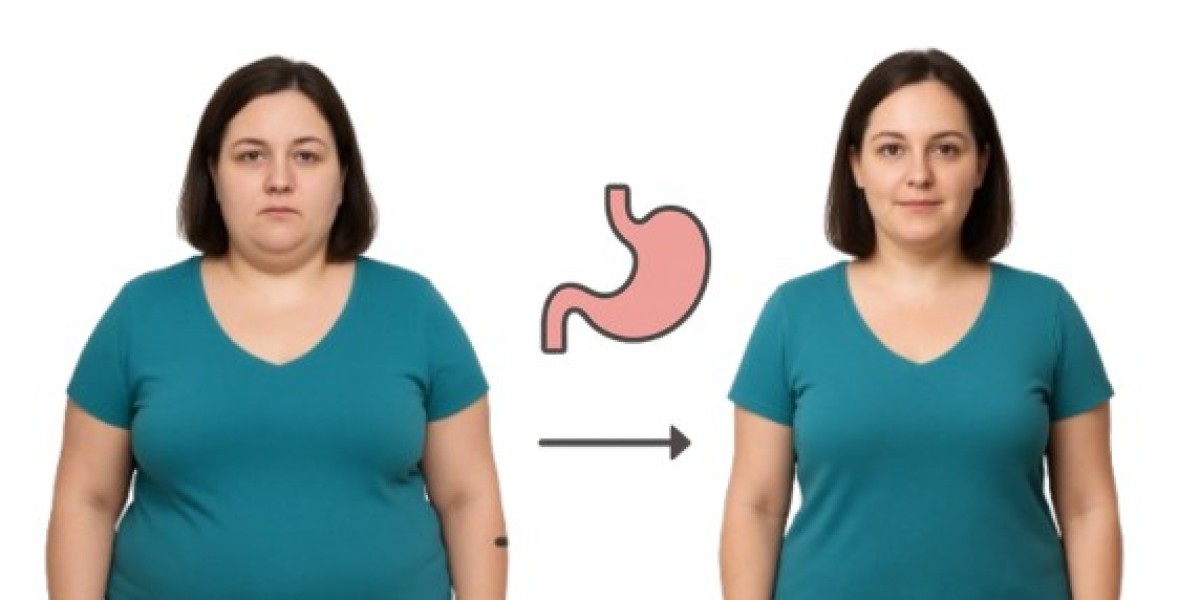

Obesity has become one of the most pressing health concerns worldwide, affecting millions of people physically, emotionally, and socially. While diet plans, exercise routines, and lifestyle changes remain essential for maintaining good health, they may not always be enough for individuals struggling with severe obesity. Bariatric surgery offers a powerful and medically proven solution, giving patients a fresh start and a realistic opportunity to achieve lasting weight loss and improved well-being.
Understanding Bariatric Surgery
Bariatric surgery refers to a group of procedures designed to help people lose weight by altering the digestive system. These procedures reduce the size of the stomach, limit food intake, and sometimes change how the body absorbs calories and nutrients. Doctors typically recommend bariatric surgery for individuals with a Body Mass Index (BMI) of 40 or higher, or a BMI of 35 or more accompanied by obesity-related conditions such as diabetes, high blood pressure, or sleep apnea.
The goal of bariatric surgery is not just weight loss but long-term health improvement. Many patients experience significant changes in their physical health, mental well-being, and overall quality of life after the procedure.
Why Choose Bariatric Surgery?
Losing weight and keeping it off can be incredibly difficult for people with severe obesity. Hormonal changes, metabolic factors, and lifestyle habits can make traditional weight-loss methods less effective. Bariatric surgery offers a scientifically backed solution that supports sustainable results.
People often consider bariatric surgery when they experience:
Repeated failure with diet and exercise
Health complications related to obesity
Limited mobility and low energy levels
Emotional distress or low self-confidence
A desire to improve life expectancy and overall health
For many patients, bariatric surgery becomes the turning point in their journey toward a healthier future.
Types of Bariatric Surgery
There are several bariatric procedures available today, each designed to suit different medical needs and weight-loss goals.
Gastric Sleeve (Sleeve Gastrectomy)
This is one of the most popular procedures worldwide. During surgery, a large portion of the stomach is removed, leaving a smaller sleeve-shaped stomach. This limits food intake and reduces hunger hormones, helping patients feel full faster and eat less.
Gastric Bypass (Roux-en-Y)
This procedure involves creating a small stomach pouch and connecting it directly to the small intestine. It reduces calorie absorption and promotes rapid weight loss. Gastric bypass is particularly effective for individuals with type 2 diabetes.
Mini Gastric Bypass
A simpler variation of the traditional bypass, this procedure offers effective weight loss with a shorter surgery time and quicker recovery.
Adjustable Gastric Band
A silicone band is placed around the upper stomach to create a smaller pouch. Although less common today, it remains an option for patients seeking a reversible procedure.
Intragastric Balloon
This non-surgical option involves placing a balloon in the stomach to reduce hunger and portion sizes. It is temporary but helpful for initiating weight loss.
Benefits Beyond the Scale
Bariatric surgery provides far more than weight reduction. Many patients experience improvements in serious health conditions within months of surgery.
Common health benefits include:
Better blood sugar control and diabetes remission
Reduced blood pressure and cholesterol levels
Lower risk of heart disease
Relief from sleep apnea
Reduced joint pain and improved mobility
Increased energy and physical endurance
These benefits contribute to a longer, healthier, and more active life.
Emotional and Psychological Transformation
Obesity can affect mental health, confidence, and social interactions. After bariatric surgery, many patients experience significant emotional improvements.
These may include:
Increased self-confidence
Improved mood and mental well-being
Greater participation in social and physical activities
Renewed motivation to maintain a healthy lifestyle
The emotional transformation often plays a key role in long-term success.
Recovery and Lifestyle Changes
Recovery from bariatric surgery requires commitment and patience. Most patients stay in the hospital for one to three days, depending on the procedure.
Early Recovery Phase
During the first week, patients follow a liquid diet and begin light walking to support healing and prevent complications.
Dietary Progression
Over the following weeks, patients transition from liquids to soft foods and eventually to solid meals. Portion control and mindful eating become essential habits.
Long-Term Lifestyle Changes
Long-term success depends on adopting healthier daily routines:
Eating smaller, nutrient-rich meals
Staying hydrated
Taking recommended vitamin supplements
Exercising regularly
Attending follow-up appointments
These habits help maintain weight loss and protect overall health.
Is Bariatric Surgery Safe?
Modern bariatric surgery is considered safe and effective when performed by experienced professionals. Advances in minimally invasive techniques have reduced risks and shortened recovery times. Thorough medical evaluation and ongoing follow-up care further improve safety and success rates.
A Fresh Start for a Healthier Future
Bariatric surgery is not a quick fix—it is a powerful tool that supports long-term lifestyle transformation. For many individuals, it marks the beginning of a healthier, more confident, and more active life.
Choosing bariatric surgery means choosing a fresh start, renewed hope, and the opportunity to achieve lasting weight loss. With dedication, support, and proper medical care, patients can look forward to a brighter and healthier future.