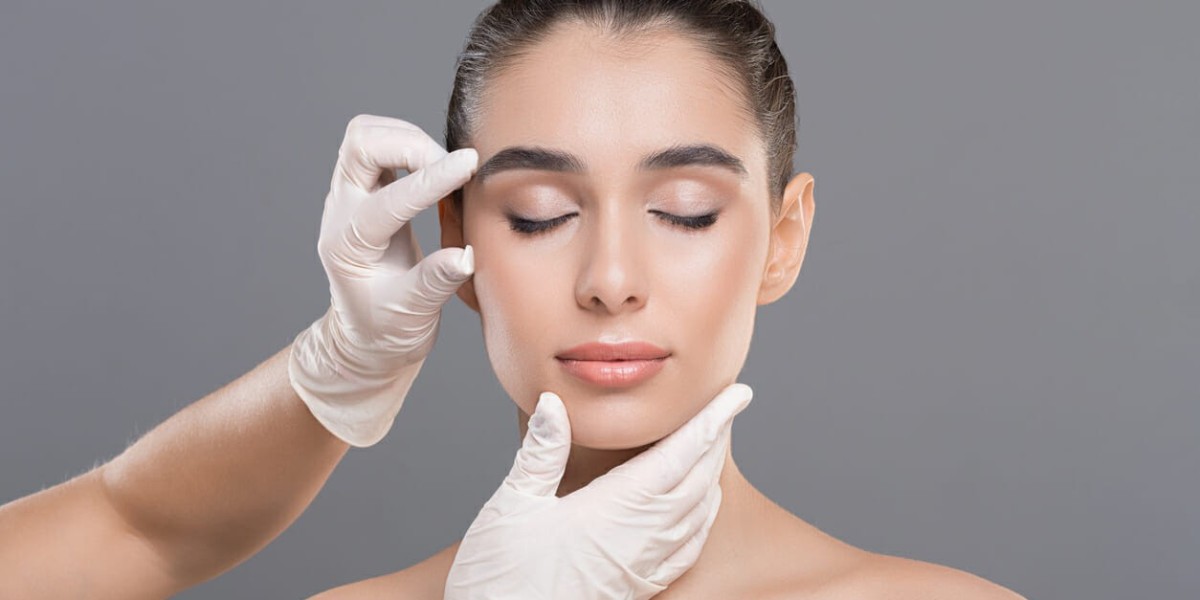

The transformative power of plastic surgery is undeniable. From restorative procedures that return function to aesthetic enhancements that boost self-image, the journey is often one of empowerment and renewal. However, in the excitement of choosing a surgeon and visualizing the "after" photos, many patients overlook the most delicate phase of the entire process: the first few days of healing.
Surgery is a profound physiological event. While the surgeon is the architect of your results, the plastic surgery recovery nurse is the builder who ensures the foundation remains stable while the body reconstructs itself. In an era where many major procedures are performed in outpatient settings, the role of a professional recovery nurse has evolved from a luxury to an essential clinical safeguard.
Bridging the Gap Between the Hospital and Home
Modern surgical advancements allow patients to return home or to a recovery suite much sooner than in previous decades. While this transition to a comfortable environment is beneficial for the psyche, it creates what medical professionals call a "clinical void." The highly monitored environment of the operating room is suddenly replaced by a bedroom where the primary caregiver is often a well-meaning but untrained family member.
A plastic surgery recovery nurse bridges this gap. They bring the vigilance of a hospital setting into the privacy of your home. They are trained to monitor the body’s response to trauma, identifying the subtle, early markers of complications that a layperson—no matter how attentive—would likely miss.
The Clinical Pillars of Professional Recovery
The value of a recovery nurse is rooted in four primary clinical domains: safety, pain management, physical integrity, and psychological stability.
1. Advanced Hemodynamic and Site Monitoring
The first 24 to 72 hours are the high-risk window for surgical complications. Issues such as hematomas (internal bleeding) or seromas (fluid collections) can escalate with frightening speed. A specialized nurse monitors for:
Tissue Perfusion: Ensuring blood is reaching newly moved skin flaps, which is critical in facelifts and tummy tucks.
Vital Sign Trends: Identifying early indicators of dehydration, infection, or adverse reactions to anesthesia.
Drain Management: Expertly "stripping" and measuring surgical drains to prevent fluid backflow and ensure the "dead space" between tissues is healing correctly.
2. Precise Pharmacological Management
Managing the "pain curve" is an art. If a patient waits until they are in agony to request medication, they are already behind the physiological curve, making the pain much harder to control. A nurse manages a rigorous medication schedule, ensuring that analgesics, antibiotics, and anti-nausea medications are administered at peak efficiency. They also watch for the side effects of narcotics, such as respiratory depression, which require immediate professional assessment.
3. Protecting the Aesthetic Integrity
Many results are compromised not in the operating room, but in the bedroom. A recovery nurse ensures the physical parameters of the surgeon’s instructions are followed to the letter:
Positioning: Maintaining the exact degree of head elevation after facial surgery or ensuring a BBL patient avoids all pressure on newly transferred fat cells.
Garment Management: Compression garments are vital for contouring, but if applied incorrectly, they can cause skin necrosis or contour irregularities. A nurse ensures these are positioned for maximum benefit.
Mobility: Helping the patient move safely to prevent Deep Vein Thrombosis (DVT) without placing tension on delicate sutures.
Why Specialized Care Matters for Aesthetic Procedures
Every surgical discipline has its own recovery nuances. An orthopedic recovery is vastly different from a plastic surgery recovery. In aesthetic medicine, the focus is not just on healing, but on healing beautifully.
For patients who prioritize a seamless transition and elite-level safety, Plastic Surgery Nurse provides access to specialized professionals who understand the delicate balance between clinical necessity and aesthetic preservation. Their nurses act as an extension of the surgeon’s office, providing a level of "concierge clinical care" that protects the patient’s financial and emotional investment. Whether you are recovering in a hotel after traveling for a top-tier surgeon or in the privacy of your own home, having a dedicated professional ensures that your path to a "new you" is paved with safety and expertise.
The Reality of Recovery for "Surgery Travelers"
The rise of medical tourism—traveling to surgery hubs like Miami, New York, or Los Angeles—has made the recovery nurse an indispensable part of the travel itinerary. Recovering in a hotel room in an unfamiliar city can be a source of immense stress. For these patients, a recovery nurse is more than a caregiver; they are a navigator and an advocate. They ensure the hotel environment is clinical-grade and provide the peace of mind that expert help is not just a phone call away, but right in the room.
What to Look for in a Recovery Provider
If you are planning a procedure, the vetting process for your aftercare should be as rigorous as your surgeon selection. Consider the following:
| Feature | Importance |
| Licensure | Must be an RN or LPN with active clinical standing. |
| Surgical Familiarity | Experience with your specific procedure (e.g., facial vs. body work). |
| Communication Protocol | A clear system for providing updates and data to your surgeon. |
| Scope of Service | Assistance with nutrition, hygiene, and light mobility in addition to clinical care. |
The ROI of Professional Nursing
Plastic surgery is an investment. Between surgeon fees, facility costs, and time off work, the commitment is significant. Hiring a plastic surgery recovery nurse is a small percentage of that total cost, yet it offers the highest return on investment.
Think of it as an insurance policy for your results. You wouldn't buy a luxury vehicle and then skip the maintenance; similarly, you shouldn't undergo a major surgical procedure and skip the professional oversight. A nurse ensures that if a minor issue arises, it is addressed before it becomes a major complication that requires a costly and traumatic revision surgery.
Final Thoughts
The journey to your final result is a marathon, not a sprint. The surgery itself is only the first half of that race. To cross the finish line with the results you’ve dreamed of, you need a partner who understands the terrain and the medical nuances of healing.
A plastic surgery recovery nurse provides the expertise, the vigilance, and the compassion necessary to ensure your recovery is not just a period of "getting better," but a period of thriving. By choosing professional care, you are taking the "chance" out of your healing process and replacing it with clinical certainty.