
A confident smile can make a powerful first impression. For many people, however, crooked, crowded, or misaligned teeth can reduce confidence and affect overall oral health. Fortunately, modern dental technology has introduced a comfortable and discreet solution—teeth aligners. These clear, removable trays offer a convenient way to straighten teeth without the discomfort or visibility of traditional braces. Today, aligners have become a popular choice for individuals seeking a healthier and more attractive smile.
What Are Teeth Aligners?
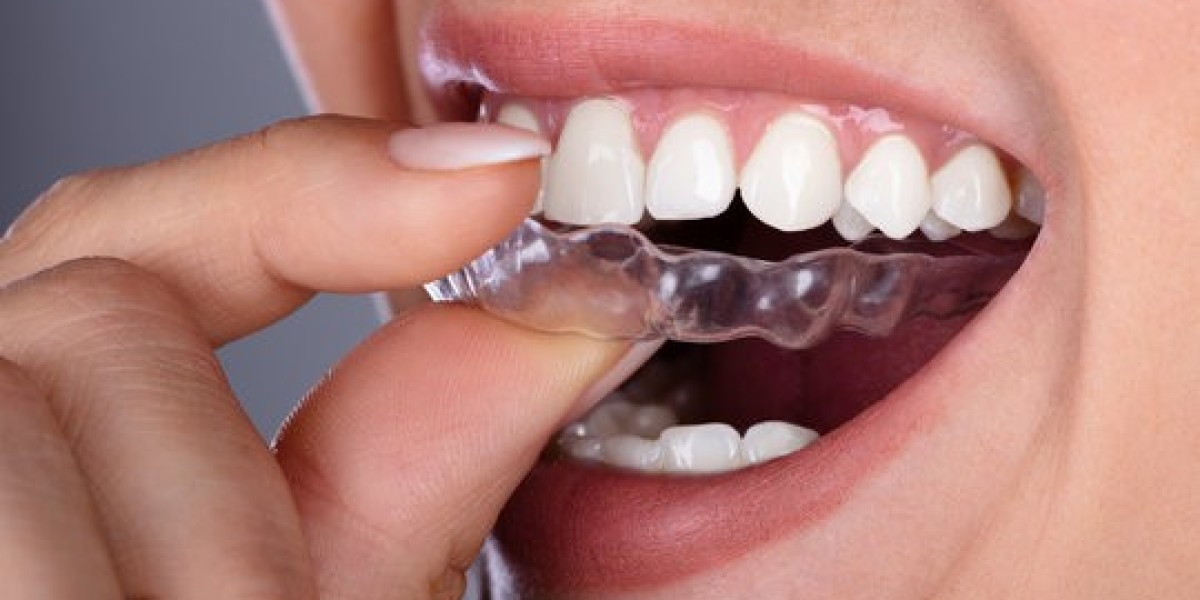
Teeth aligners are transparent, custom-made trays designed to gradually move teeth into their correct positions. Unlike traditional metal braces that use brackets and wires, aligners are made from smooth, medical-grade plastic and fit snugly over the teeth. Because they are clear and nearly invisible, many people prefer them as a discreet orthodontic option.
Each set of aligners is worn for about one to two weeks before switching to the next set in the series. Every new aligner gently shifts the teeth a little further until the desired alignment is achieved. The entire treatment plan is usually designed digitally by dental professionals to ensure precise and predictable results.
Why Teeth Alignment Matters
Straight teeth are not just about aesthetics—they are also essential for maintaining good oral health. Misaligned teeth can lead to several problems, including difficulty cleaning between teeth, uneven tooth wear, jaw discomfort, and bite issues. In some cases, crowding can increase the risk of cavities and gum disease because plaque and bacteria are harder to remove.
Teeth aligners help correct these issues by gradually improving the alignment and spacing of teeth. This makes brushing and flossing easier and helps maintain healthier gums and teeth over time.
Benefits of Choosing Teeth Aligners
Teeth aligners provide several advantages that make them a preferred option for many patients.
1. Nearly Invisible Appearance
One of the biggest benefits of aligners is their transparency. Because they are clear, most people will not even notice you are wearing them. This makes them ideal for adults and teenagers who want to straighten their teeth discreetly.
2. Comfortable Fit
Aligners are made from smooth plastic that fits comfortably over the teeth. Unlike traditional braces, there are no sharp wires or brackets that may irritate the cheeks or gums.
3. Removable Convenience
Another major advantage is that aligners are removable. Patients can take them out while eating, brushing, or flossing. This means there are no dietary restrictions, and maintaining oral hygiene is much easier.
4. Predictable Results
With advanced digital planning, dentists can map out the entire treatment process from start to finish. Patients can often see a preview of how their smile will look after treatment, making the process more reassuring and motivating.
5. Fewer Dental Visits
Because aligners do not require regular tightening like braces, patients typically need fewer in-clinic appointments. This makes the treatment convenient for individuals with busy schedules.
Who Can Benefit from Teeth Aligners?
Teeth aligners are suitable for treating many common orthodontic concerns. These may include:
Mild to moderate crowding
Gaps between teeth
Slightly crooked teeth
Minor bite issues
Relapse after previous orthodontic treatment
However, severe alignment problems or complex bite issues may still require traditional braces or other orthodontic procedures. A dental consultation is necessary to determine the most suitable treatment option.
The Teeth Aligner Treatment Process
The aligner treatment process usually begins with a detailed dental examination. During this appointment, the dentist evaluates the condition of the teeth and gums to ensure that aligners are appropriate.
Next, digital scans or impressions of the teeth are taken to create a customized treatment plan. These scans help design aligners that fit precisely and move the teeth gradually into the desired position.
Once the aligners are ready, patients receive a series of trays to wear throughout the treatment. For best results, aligners should typically be worn for 20–22 hours per day, only removing them when eating or cleaning teeth.
Regular check-ups allow the dentist to monitor progress and ensure that the teeth are moving as planned.
Caring for Your Aligners
Proper care of aligners is essential to maintain hygiene and effectiveness. Here are a few simple tips:
Rinse aligners regularly with lukewarm water.
Clean them gently using a soft toothbrush.
Avoid using hot water, which can warp the plastic.
Always store them in their protective case when not in use.
Keeping aligners clean prevents staining and helps maintain good oral health during treatment.
Achieving Long-Term Results
After completing aligner treatment, dentists often recommend wearing a retainer. Retainers help maintain the new position of the teeth and prevent them from shifting back. Consistent use of retainers ensures that the results of the treatment last for many years.
Final Thoughts
Teeth aligners have transformed modern orthodontics by providing a comfortable, discreet, and effective way to straighten teeth. They allow individuals to improve their smiles without the inconvenience of traditional braces. Whether you want to correct mild crowding or close small gaps, aligners offer a clear path toward a healthier and more confident smile.