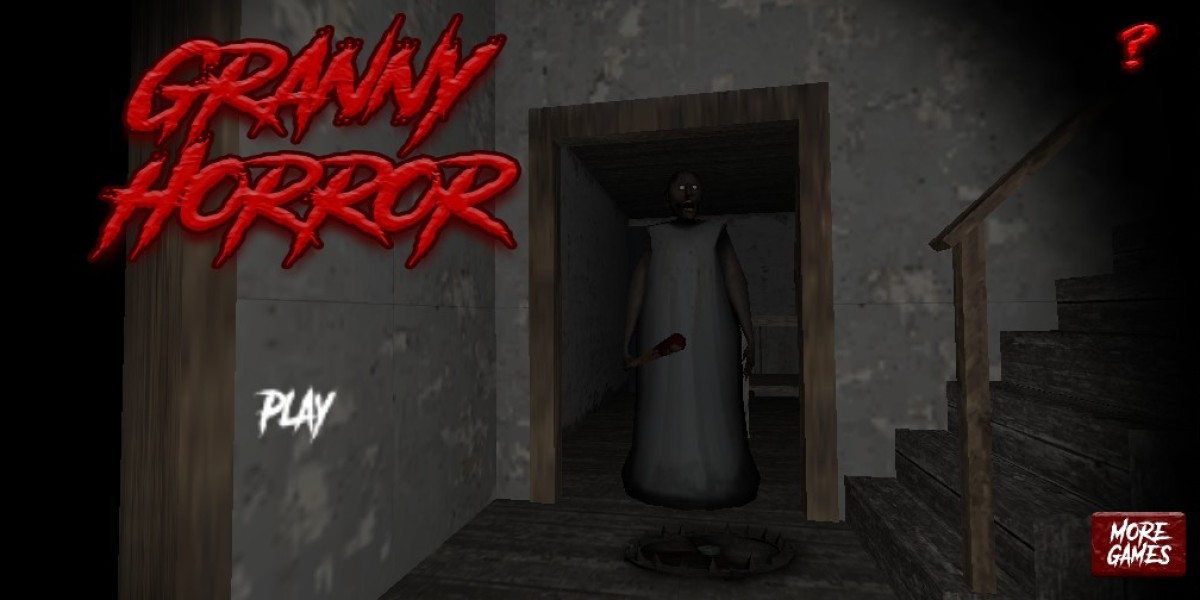

Introduction to the World of Granny
Granny is a survival horror puzzle game that places players inside a dark and dangerous house filled with traps, secrets, and constant tension. The main goal is simple but challenging: escape from the house within five days while avoiding the terrifying enemy that patrols every room and hallway. The game creates a strong sense of fear through silence, sudden sounds, and the feeling that danger can appear at any moment.
The environment of Granny focuses on exploration and problem solving. Every room hides objects that help progress toward escape. However, noise can attract the enemy, which makes each movement a careful decision. Players must move slowly, hide quickly, and learn the layout of the house to survive long enough to find a way out.
Many players enjoy Granny because of the balance between puzzle solving and horror atmosphere. Each playthrough can feel different since item locations often change. This design keeps the experience fresh and encourages players to experiment with different strategies.
Core Gameplay Mechanics
Exploration and Survival
The house in Granny contains multiple floors, locked doors, hidden passages, and secret areas. Exploration becomes the main activity during gameplay. Players search for keys, tools, and puzzle pieces that unlock new sections of the house.
Movement must remain quiet. Dropping an item or stepping on a noisy surface can alert the enemy. When noise happens, the enemy moves quickly toward the source. This mechanic forces players to think carefully before interacting with objects or opening doors.
Hiding spots appear throughout the environment. Beds, wardrobes, and dark corners provide temporary safety. However, staying in one place too long can limit progress. Players must balance hiding with exploration in order to escape before time runs out.
Limited Time and Increasing Pressure
The game provides five days to escape. Each failed attempt or capture leads to the loss of one day. As the number of remaining days decreases, tension increases. The final day creates the most intense atmosphere because failure leads to game over.
This time system encourages strategic thinking. Players often choose between exploring risky areas or focusing on known puzzle solutions. Careful planning becomes essential for survival.
Puzzle Elements
Puzzles represent the core structure of progression in Granny. Locked doors require keys of different colors. Certain areas require tools such as pliers, hammers, or cutting devices. Some puzzles unlock shortcuts that make navigation easier.
Puzzle solving often involves multiple steps. For example, one item may open a cabinet that reveals another tool needed for a different puzzle. This layered design creates a satisfying sense of discovery.
Players gradually learn how each object fits into the overall escape plan. Over time, puzzle solving becomes faster as players recognize patterns within the environment.
The Atmosphere of Horror
Sound Design and Suspense
One of the most powerful elements of Granny is sound. The game uses quiet environments combined with sudden noises to create suspense. Footsteps echo in hallways, doors creak slowly, and unexpected sounds increase tension.
The enemy reacts to noise. Because of this mechanic, sound becomes both a storytelling tool and a gameplay challenge. Silence often feels as frightening as direct danger because players know that any mistake can attract attention.
The atmosphere encourages players to move slowly and listen carefully. Headphones can make the experience even more intense because subtle sounds reveal nearby threats.
Dark Visual Style
The house design uses dim lighting and worn textures to create an unsettling environment. Rooms often appear abandoned or damaged. Narrow corridors and cluttered spaces make navigation feel uncomfortable.
Limited visibility increases fear. Players rarely see the entire room clearly, which creates uncertainty about possible threats. Shadows and corners hide danger and make exploration feel risky.
Visual design also supports puzzle discovery. Important objects often stand out slightly from the environment, encouraging players to examine every corner of the house.
Strategies for Escaping the House
Learn the Layout
Understanding the structure of the house greatly improves survival chances. The building contains several floors, staircases, and secret routes. Learning where each hallway leads allows players to escape quickly when danger appears.
Experienced players often memorize safe paths between important rooms. This knowledge helps avoid dead ends and reduces the chance of sudden capture.
Exploration during early attempts may feel slow, but it builds valuable knowledge for future runs.
Manage Noise Carefully
Noise management represents one of the most important skills in Granny. Dropping objects or knocking items from shelves creates loud sounds that attract the enemy. Even opening certain doors too quickly can produce noise.
Players often place items gently on the floor instead of dropping them. This simple action reduces risk and keeps the environment quiet.
Another useful strategy involves creating controlled distractions. Throwing an object in a distant room can lure the enemy away from an important path.
Use Hiding Spots Wisely
Hiding remains essential for survival. Beds and wardrobes provide safe places to wait until danger passes. However, hiding should not become the only strategy.
Players must choose the right moment to hide and the right moment to continue exploring. Waiting too long wastes valuable time. Moving too quickly increases risk.
Successful players combine hiding with careful observation. Listening to footsteps can reveal when it is safe to leave a hiding place.
Replay Value and Player Challenge
Granny offers strong replay value because item locations often change between games. This design prevents memorization of a single perfect path. Players must adapt to new situations during each playthrough.
Different difficulty levels also affect the experience. Easier modes provide more opportunities for mistakes, while harder modes increase enemy awareness and reduce available time. These settings allow both new players and experienced players to enjoy the game.
Speedrunning has also become popular within the community. Some players attempt to escape the house as quickly as possible by mastering efficient puzzle routes and movement strategies.
This competitive aspect adds another layer of challenge and keeps the game interesting even after many play sessions.
Why Granny Remains Popular
Granny continues to attract players because it combines simple controls with deep tension. The core concept remains easy to understand, yet mastering the game requires patience and strategy.
The horror experience relies on atmosphere rather than complex graphics. Suspense, sound design, and unpredictable encounters create memorable moments during gameplay.
Another reason for popularity is accessibility. The game runs smoothly on many devices, which allows a wide audience to experience the challenge. Short play sessions also make the game perfect for quick bursts of intense gameplay.
Community interest also supports longevity. Many players share strategies, escape methods, and challenge runs online. This interaction encourages others to try new approaches and continue exploring the house.
Conclusion
Granny delivers a powerful combination of horror, puzzle solving, and survival strategy. The dark house environment creates tension from the first moment of gameplay. Exploration, careful movement, and creative problem solving guide players toward escape.
Each playthrough offers a unique experience due to changing item locations and unpredictable encounters. Players must stay calm, listen carefully, and adapt to new situations. Success brings a strong sense of accomplishment because every escape requires patience and skill.