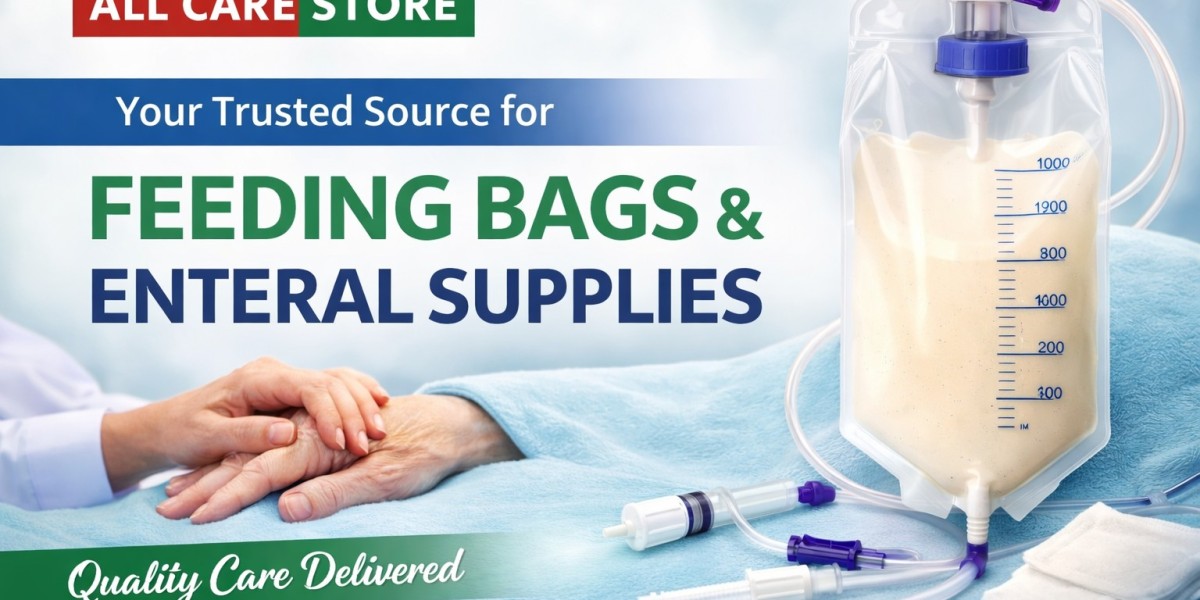

When a person is unable to eat food normally due to illness, surgery, or medical conditions, maintaining proper nutrition becomes a serious challenge. In such situations, a feeding bag plays a very important role in ensuring that the body receives the required nutrients in a safe and controlled manner.
A feeding system is not just about delivering food—it is about maintaining hygiene, comfort, and proper care. Whether you are a caregiver, family member, or healthcare professional, understanding how a feeding bag works and how to choose the right one can significantly improve patient care.
In this blog, you will learn everything about feeding systems, their benefits, types, usage, and how to select the best option for home or clinical use.
What is a Feeding Bag?
A feeding bag is a medical device used to deliver liquid nutrition directly into a patient's digestive system through a feeding tube. It is commonly used in enteral feeding, where food bypasses the mouth and goes directly into the stomach or intestine.
These bags are designed to:
Hold liquid nutrition safely
Maintain a sterile environment
Provide controlled flow of nutrients
They are widely used in hospitals, nursing homes, and home care settings.
Why is a Feeding Bag Important?
Proper nutrition is essential for recovery and overall health. When oral feeding is not possible, a feeding bag becomes a lifeline.
Key Benefits
Ensures consistent nutrient delivery
Reduces risk of malnutrition
Supports faster recovery
Easy to use in home care
Maintains hygiene and safety
Without proper feeding support, patients can face complications such as weakness, infections, or delayed healing.
Who Needs a Feeding Bag?
A feeding bag is recommended for patients who cannot consume food normally. This includes:
Stroke patients
Cancer patients undergoing treatment
Patients with swallowing disorders (dysphagia)
Elderly individuals with weak digestion
Patients recovering from major surgeries
Neurological disorders (like ALS, Parkinson's)
In such cases, enteral feeding becomes essential to maintain proper nutrition levels.
Types of Feeding Bags
Different patients have different needs, so feeding systems come in various types.
1. Gravity Feeding Bags
Uses gravity to deliver nutrition
No pump required
Simple and cost-effective
2. Pump Feeding Bags
Uses an electric feeding pump
Provides precise control over flow rate
Ideal for critical care patients
3. Disposable Feeding Bags
Single-use for hygiene
Reduces risk of infection
Convenient for home care
4. Reusable Feeding Bags
Can be cleaned and reused
Cost-effective for long-term use
Requires proper sterilization
Choosing the right type depends on the patient's condition and care environment.
How Does a Feeding Bag Work?
The working of a feeding bag is simple but requires proper handling.
Step-by-Step Process
Fill the bag with prescribed liquid nutrition
Hang the bag on a stand or hook
Connect it to the feeding tube
Adjust the flow rate (manually or via pump)
Monitor the feeding process
Proper positioning and hygiene are very important during feeding.
How to Choose the Right Feeding Bag
Selecting the correct feeding bag ensures better safety and comfort.
Important Factors to Consider
1. Capacity
Choose based on eating duration
Common sizes: 500ml, 1000ml, 1500ml
2. Material Quality
Medical-grade, BPA-free plastic
Leak-proof design
3. Compatibility
Should match feeding tubes and connectors
4. Ease of Use
Clear markings for measurement
Easy to fill and clean
5. Hygiene Standards
Prefer sterile and disposable options when needed
A good feeding bag should be safe, durable, and easy to handle.
Safety Tips for Using a Feeding Bag
Safety is critical when using medical equipment.
Best Practices
Always wash hands before handling
Use clean and sterile equipment
Do not reuse disposable bags
Replace feeding bag every 24 hours (if recommended)
Check for leaks or blockages
Keep the feeding area clean
Ignoring hygiene can lead to infections and complications.
Common Mistakes to Avoid
Many caregivers make small mistakes that can affect patient health.
Avoid These Errors
Overfilling the feeding bag
Not cleaning reusable bags properly
Incorrect positioning of the bag
Using expired or contaminated nutrition
Ignoring flow rate instructions
Proper training and awareness can prevent these issues.
Feeding Bag for Home Care
Home care is becoming more common, and feeding bags make it easier to manage patient nutrition outside hospitals.
Advantages in Home Care
Comfortable environment for patients
Cost-effective compared to hospital stay
Easy monitoring by family members
Flexible feeding schedule
With proper guidance, caregivers can safely use a feeding bag at home.
Maintenance and Storage
Proper care increases the life and safety of feeding equipment.
Cleaning Tips (For Reusable Bags)
Rinse immediately after use
Use warm water and mild soap
Air dry completely
Store in a clean, dry place
Storage Tips
Keep away from direct sunlight
Store in a sterile environment
Avoid contamination
When to Replace a Feeding Bag
Even high-quality feeding bags need replacement.
Replace When:
There is visible damage
The bag becomes cloudy or discolored
There is a leak
After recommended usage time
Regular replacement ensures patient safety.
Where to Buy a Reliable Feeding Bag
Choosing a trusted source is very important for medical products. You should always buy from a reliable store that provides quality-tested and safe products.
This ensures you get products that meet medical standards and are safe for patient use.
Why Quality Matters
Low-quality feeding bags can lead to serious problems like:
Leakage
Infection risk
Incorrect feeding flow
Patient discomfort
Investing in a good feeding bag ensures better care and peace of mind.
Conclusion
A feeding bag is more than just a medical tool—it is an essential part of patient care. It ensures that patients who cannot eat normally still receive the nutrition they need to recover and stay healthy.
From understanding types to choosing the right one and maintaining hygiene, every step matters. Whether in a hospital or at home, proper use of a feeding bag can improve patient comfort, safety, and overall well-being.
If you are caring for someone who needs enteral nutrition, choosing the right feeding solution can make a big difference.