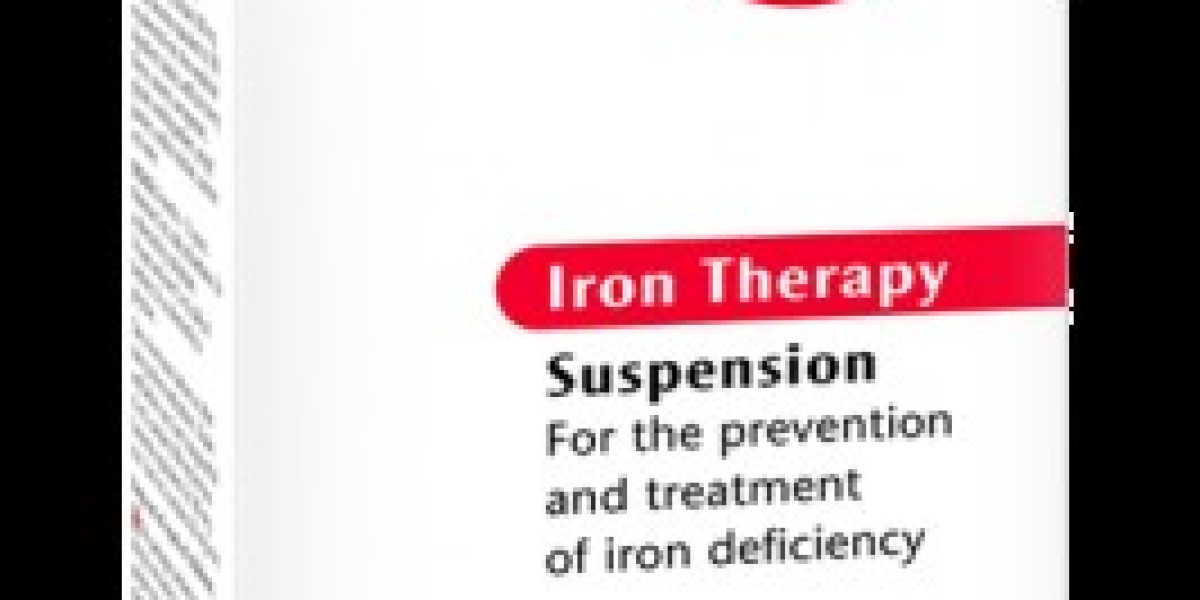

Iron is an essential mineral your body needs to make hemoglobin, the protein in red blood cells that carries oxygen. When iron levels are low, you may feel tired, weak, short of breath, dizzy, or notice poor concentration. This is where palafer iron may be recommended. It is commonly used to help prevent or treat iron deficiency and iron deficiency anemia.
Taking iron the right way matters. Even a good supplement may not work as well if it is taken with the wrong foods, drinks, or medicines. In this guide, you will learn how to take palafer iron correctly for better absorption, what dosage issues to discuss with a healthcare professional, and what side effects and precautions you should know.
What Is Palafer Iron?
Palafer iron is an oral iron supplement that contains ferrous fumarate. Ferrous fumarate is a form of iron used to increase iron stores in the body. It may be prescribed or recommended for people who have low iron levels due to poor dietary intake, pregnancy, blood loss, or increased iron needs.
Many people take palafer iron to support healthy red blood cell production and improve symptoms linked to iron deficiency. It is important to remember that this supplement helps with iron deficiency, not with unrelated conditions such as a fungal infection or yeast infection. If you have symptoms such as itching, unusual discharge, skin rash in moist areas, or white patches in the mouth, these symptoms should be assessed separately because iron supplements are not a treatment for fungal or yeast problems.
Why Absorption Matters
When you take an iron supplement, your body only absorbs part of it. Several things can lower absorption, including food, tea, coffee, milk, calcium, and some medicines. If absorption is poor, your iron levels may rise slowly, and you may continue feeling tired for longer.
That is why knowing how to take palafer iron correctly is just as important as taking it regularly.
Best Time to Take Palafer Iron
For better absorption, palafer iron is usually taken on an empty stomach. This often means taking it:
about 1 hour before a meal, or
about 2 hours after a meal
Some people are advised to take it at bedtime, which can be helpful if it is easier on the stomach or fits better into a daily routine.
If iron causes stomach upset, nausea, or discomfort, it may be taken with a small amount of food. This can reduce absorption slightly, but it is often better to take it with a little food than to stop taking it altogether. The key is consistency.
How to Take Palafer Iron for Better Absorption
Here are the most important tips for taking palafer iron properly:
1. Take It With Water
Swallow the capsule or take the liquid form with water. This keeps the routine simple and avoids ingredients that can interfere with absorption.
2. Avoid Taking It With Tea or Coffee
Tea and coffee can reduce how much iron your body absorbs. Try not to take palafer iron with these drinks. Leave a gap before or after your dose.
3. Keep It Away From Milk and Calcium
Milk, calcium supplements, and calcium-rich foods can also reduce iron absorption. If possible, take your iron dose at a different time.
4. Separate It From Certain Medicines
Some medicines can interfere with iron absorption or be affected by iron. These may include antacids, thyroid medicine, certain antibiotics, and mineral supplements containing calcium, magnesium, or zinc. A healthcare professional may advise leaving a few hours between doses.
5. Stay Consistent With Timing
Try to take palafer iron at the same time each day. A regular schedule makes it easier to remember and supports steady treatment.
Palafer Iron Dosage: What Beginners Should Know
Dosage depends on your age, your iron level, the reason for treatment, and the form you are using, such as capsules or liquid suspension. Some adults may take it once daily, while others may be given a different plan by their doctor.
Do not increase your palafer iron dosage on your own. More is not always better. Too much iron can be harmful and may cause serious side effects. Always follow the instructions on your prescription or product label, or the advice given by your healthcare professional.
For children, dosing must be measured carefully. Liquid iron should be given exactly as directed. It is especially important to store iron safely because an overdose in a child can be dangerous.
If you miss a dose, take it when you remember unless it is almost time for the next one. Do not take two doses together unless you were specifically told to do so.
Foods and Habits That Can Affect Iron Absorption
If you want the best results from palafer iron, pay attention to what surrounds your dose.
Things that may lower absorption:
tea
coffee
milk
calcium supplements
high-fiber meals taken at the same time
antacids
Helpful habit:
taking it on an empty stomach when tolerated
Some people also pair iron with vitamin C-containing foods or drinks to support absorption, but you should still follow the specific directions given for your product and health condition.
Common Palafer Iron Side Effects
Like most iron supplements, palafer iron side effects are usually related to the digestive system. Common side effects may include:
nausea
stomach discomfort
constipation
diarrhea
dark or black stools
bloating
Dark stools are a common effect of oral iron and are not usually dangerous by themselves. However, severe stomach pain, vomiting, trouble swallowing, or signs of an allergic reaction need urgent medical attention.
Constipation is one of the most common complaints. Drinking enough water, staying active, and eating fiber at times away from the iron dose may help.
If side effects are making it hard to continue treatment, speak to a healthcare professional. They may adjust the timing, the form, or the dosing plan.
Palafer Iron Uses Beyond Low Energy
Many people think iron supplements are only for tiredness, but palafer iron uses are broader than that. It may be used for:
treating iron deficiency anemia
preventing iron deficiency in people at risk
supporting increased iron needs, such as during pregnancy
replenishing iron stores after blood loss
Even so, not every kind of anemia is caused by low iron. Taking iron when you do not need it can be unhelpful or unsafe. That is why testing and medical advice are important.
Can Palafer Iron Cause a Fungal Infection or Yeast Infection?
This is a common concern, especially when people search symptoms online. Palafer iron is not an antifungal medicine, and it does not treat a fungal infection or yeast infection. It is also not considered a common direct cause of these infections.
However, symptoms may overlap or happen at the same time for unrelated reasons. For example, stomach upset, changes in bowel habits, or general discomfort after starting iron may make someone wonder whether they have another problem. A separate issue such as a vaginal yeast infection or skin fungal infection should be assessed based on its own symptoms.
If you develop itching, discharge, a red rash in skin folds, or symptoms that do not fit common iron side effects, speak with a healthcare professional rather than assuming the supplement is the only cause.
Important Precautions Before Taking Palafer Iron
Before starting palafer iron, keep these precautions in mind:
Talk to a healthcare professional if you:
have stomach ulcers or inflammatory bowel disease
have trouble swallowing
have liver disease
receive frequent blood transfusions
have a condition involving too much iron in the body
are pregnant or breastfeeding and need the right dose
take other medicines every day
Safety reminders:
keep iron out of reach of children
do not share your supplement with others
do not take extra doses to “catch up”
follow up if symptoms do not improve
Iron supplements may take time to work. Some people start feeling better within a few weeks, but rebuilding iron stores can take longer. You may be asked to continue treatment even after symptoms improve.
When to Call a Doctor
You should seek medical advice if:
your tiredness or dizziness is getting worse
you cannot tolerate the supplement
you have severe constipation or vomiting
you think you took too much
you notice symptoms of bleeding
you are unsure whether your symptoms are from iron deficiency, a yeast infection, a fungal infection, or another health issue
Final Thoughts
Taking palafer iron correctly can make a real difference in how well your body absorbs iron and how quickly your levels recover. For best absorption, it is usually taken on an empty stomach, away from tea, coffee, milk, calcium, and certain medicines. At the same time, comfort matters too, so some people may need to take it with a small amount of food to reduce side effects.
The most important things are to follow the recommended dosage, stay consistent, and watch for common side effects and precautions. And remember, palafer iron is used for iron deficiency, not for a fungal infection or yeast infection.