
At NephCure, we are committed to helping individuals and families better understand complex and rare kidney conditions. Education plays a vital role in early detection, better management, and improved long-term outcomes. When people understand their condition, they are better equipped to take control of their health journey.
In this article, we will explore complement 3 glomerulopathy treatment, discuss congenital nephrotic syndrome causes, and explain focal segmental glomerulosclerosis in a clear and approachable way. Our goal is to make these conditions easier to understand while offering insight into how they are managed.
What Is Complement 3 Glomerulopathy?
Complement 3 Glomerulopathy, often shortened to C3G, is a rare kidney disease that affects the immune system’s complement pathway. This pathway is part of the body’s natural defense system, but in C3G, it becomes overactive and begins to damage the kidneys.
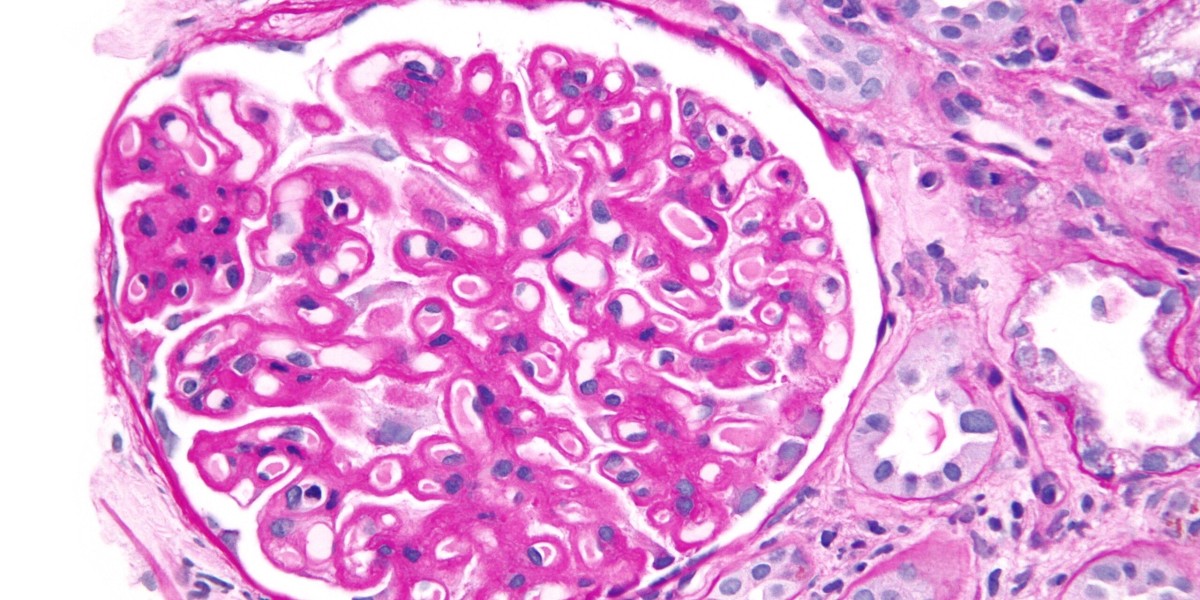
This condition leads to the buildup of a protein called C3 in the glomeruli, which are the tiny filtering units of the kidneys. Over time, this buildup causes inflammation and can reduce kidney function.
At NephCure, we emphasize that understanding this disease early is critical. Since C3G can progress over time, early diagnosis and proper management are essential in preserving kidney health.
Exploring Complement 3 Glomerulopathy Treatment
Complement 3 glomerulopathy treatment focuses on slowing disease progression, reducing inflammation, and protecting kidney function. Because this condition is driven by the immune system, treatment strategies often target immune activity.
One of the main goals of treatment is to control proteinuria, which is the presence of excess protein in the urine. Reducing protein loss helps slow kidney damage.
Blood pressure management is another key aspect of complement 3 glomerulopathy treatment. Medications such as ACE inhibitors or ARBs are commonly used to protect the kidneys and reduce strain on the glomeruli.
In some cases, doctors may prescribe medications that target the complement system itself. These therapies aim to reduce the overactivation that contributes to kidney damage.
Lifestyle modifications also play a supportive role. Maintaining a balanced diet, staying physically active, and avoiding smoking can all contribute to better kidney health.
At NephCure, we support a comprehensive approach that combines medical treatment with lifestyle awareness to help individuals manage this condition effectively.
Understanding Focal Segmental Glomerulosclerosis
Focal Segmental Glomerulosclerosis, commonly known as FSGS, is a kidney disorder that causes scarring in the glomeruli. This scarring affects the kidneys’ ability to filter blood properly.
FSGS can occur in different forms, including primary (idiopathic) and secondary, which may result from other health conditions or genetic factors.
The progression of focal segmental glomerulosclerosis varies from person to person. Some individuals may experience slow progression, while others may have a more rapid decline in kidney function.
At NephCure, we highlight the importance of early detection and individualized care when managing FSGS.
Symptoms and Impact of FSGS
FSGS often presents with symptoms that are similar to other kidney diseases. One of the most common signs is protein in the urine, which may cause urine to appear foamy.
Swelling, also known as edema, is another frequent symptom. This typically appears in the legs, ankles, or around the eyes due to fluid retention.
Fatigue is also common, as the body adjusts to changes in kidney function. High blood pressure is often associated with FSGS and can further impact kidney health if not controlled.
As the disease progresses, kidney function may decline, leading to more serious complications if not managed appropriately.
What Causes Congenital Nephrotic Syndrome?
Congenital Nephrotic Syndrome is a rare condition that affects newborns and infants. It is characterized by excessive protein loss in the urine, swelling, and impaired kidney function.
Understanding congenital nephrotic syndrome causes is essential for early diagnosis and treatment.
In many cases, congenital nephrotic syndrome causes are linked to genetic mutations that affect the structure and function of the kidneys. These mutations can disrupt the glomerular filtration barrier, leading to protein leakage.
Certain inherited gene mutations are the primary drivers of this condition. Because of its genetic nature, it often appears very early in life, sometimes even at birth.
At NephCure, we emphasize that early identification of congenital nephrotic syndrome causes can help guide treatment decisions and improve outcomes for affected infants.
Recognizing Early Signs in Infants
Infants with congenital nephrotic syndrome may show swelling in the body, particularly in the face, abdomen, and limbs. This swelling is caused by significant protein loss and fluid imbalance.
Foamy urine may also be observed, indicating proteinuria. In some cases, poor growth and difficulty feeding may occur due to the body’s inability to maintain proper protein levels.
Because the condition is rare and often severe, early diagnosis is critical. Genetic testing and specialized medical care are often used to confirm the diagnosis and determine the best course of action.
Connecting These Kidney Conditions
Understanding complement 3 glomerulopathy treatment, recognizing focal segmental glomerulosclerosis, and identifying congenital nephrotic syndrome causes all contribute to a broader understanding of kidney disease.
Although these conditions are different, they share common themes such as proteinuria, swelling, and reduced kidney function. Early detection and treatment can make a significant difference in outcomes.
At NephCure, we encourage patients and families to stay informed and seek medical guidance as soon as symptoms appear.
How NephCure Supports the Kidney Community
NephCure is dedicated to supporting individuals affected by rare kidney diseases, including C3G, FSGS, and congenital nephrotic syndrome.
We provide educational resources to help people better understand complement 3 glomerulopathy treatment and recognize symptoms of focal segmental glomerulosclerosis. We also support awareness efforts to highlight the causes of congenital nephrotic syndrome and the importance of early diagnosis.
Our organization is committed to funding research, advocating for better treatments, and supporting patients throughout their journey. We believe that education and awareness are key to improving outcomes and empowering individuals.
Taking Action for Better Kidney Health
If you or someone you know is experiencing symptoms or has concerns about kidney health, it is important to consult a healthcare professional.
Understanding complement 3 glomerulopathy treatment, learning about focal segmental glomerulosclerosis, and recognizing congenital nephrotic syndrome causes can help guide your next steps.
Early action, combined with proper medical care, can help slow disease progression and improve quality of life.
Final Thoughts
Kidney diseases like C3G, FSGS, and congenital nephrotic syndrome can be complex, but understanding them is the first step toward better management. By learning about complement 3 glomerulopathy treatment, recognizing focal segmental glomerulosclerosis, and understanding congenital nephrotic syndrome causes, individuals can take control of their kidney health.