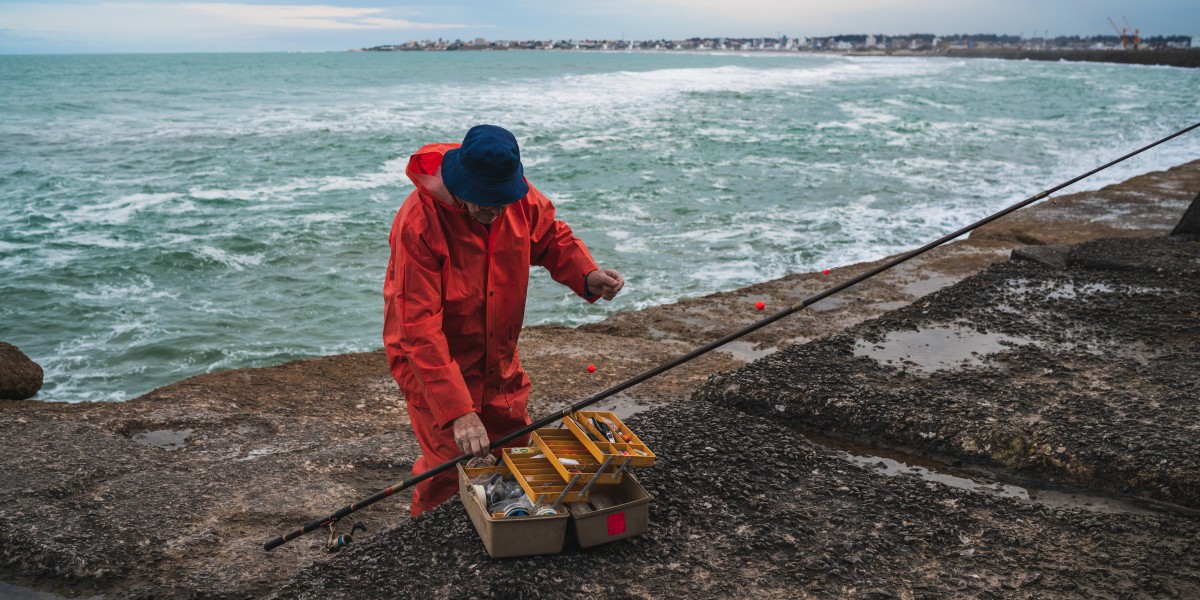

People call Florida the fishing capital of the world for a reason. Its landscape—wedged between the Atlantic and the Gulf—sets the stage for some of the best deep sea adventures you can have. Whether you’re a die-hard angler or just someone looking to try it out, heading out offshore here feels like the ultimate fishing trip. These charters take you far from shore—sometimes out where the water’s a thousand feet deep—into a place where the biggest, most elusive fish in the Western Hemisphere live. To really get the most out of deep sea fishing trips Florida trips, you need to understand how things change depending on where and when you go.
Let’s start with the geography. Fishing off Florida’s Atlantic coast isn’t the same as the Gulf side. Around the southeast coast and the Keys, the ocean floor drops fast. That means you can be in serious deep water after just a few miles, with the Gulf Stream—a warm current packed with migratory fish—within easy reach. Out in the Gulf of Mexico, it’s a totally different story. The continental shelf there is wide and shallow, so you’ll sometimes have to ride out thirty or even sixty miles just to find real deep water. It’s a trek, but those limestone ledges and reefs are worth it, especially if you’re after big bottom dwellers.
So what are people catching out there? Florida’s offshore “catch list” is nothing short of wild. If you’re trolling for pelagic game fish, you’re chasing open-ocean speedsters like Mahi-Mahi (also called Dolphin fish), which light up the water with their colors and crazy antics, especially in the warmer months. Wahoo, King Mackerel, and the near-mythical Blue Marlin are in the mix too. Love a challenge? Billfish—especially Sailfish—are a main event down south, and the winter months draw them close in to “Sailfish Alley.” These fish are lightning-fast, and landing one is basically the stuff of legend.
If bottom fishing’s your thing, Florida’s reefs are full of Snapper and Grouper. Red Snapper is a favorite on both coasts, fat and feisty, and Grouper—like Gag and Black varieties—plus heavyweight Amberjack hang out on the deeper wrecks and ledges, ready to test your strength.
When you choose to go makes all the difference. Spring and summer are usually the sweet spot for offshore trips—waves are smaller, Mahi are everywhere, and snapper seasons are often open—which means you’re in for all kinds of action. But winter shouldn’t get ignored. Choppier seas, sure, but the Atlantic brings Sailfish and Kingfish close to land, and some anglers wait all year for the chaos of a good winter bite.
Out on the water, techniques change depending on what’s biting. Trolling—dragging bait or lures behind the boat—works for most open-ocean predators like Tuna and Wahoo. If you’re anchored or drifting over a reef, bottom fishing with heavy weights gets the Snapper and Grouper biting. In Southeast Florida, kite fishing is its own thing; you float live bait on a kite so the line stays clear and the presentation looks super real.
None of this would work without serious gear. Heavy rods, reels with big line capacity, and high-test braided lines are essentials, and so is safety equipment like GPS trackers and emergency beacons—especially when you’re way out to sea.
Then there’s the rules. Florida’s not a free-for-all; the FWC and NOAA keep close tabs on when, what size, and how many fish you can keep. Red Snapper seasons are famously short and closely managed. For some billfish, it’s catch-and-release only to help the population recover. If you release deepwater fish, venting tools or descending devices are needed to stop barotrauma—basically pressure injuries that can hurt the fish on their way up.
A final word: these trips aren’t for the unprepared. The sun is relentless, the waves can wear you out, and motion sickness is real for a lot of folks. Bring sunscreen, drink water, wear polarized shades, and if you know you get seasick, sort that before you leave the dock.
Honestly, deep sea fishing in Florida is more than what you pull out of the water. The color of the ocean, dolphins cruising by, and those endless horizons stick with you. Whether you’re here for the adrenaline rush or just something new, Florida’s offshore waters have a way of making you feel very, very alive.