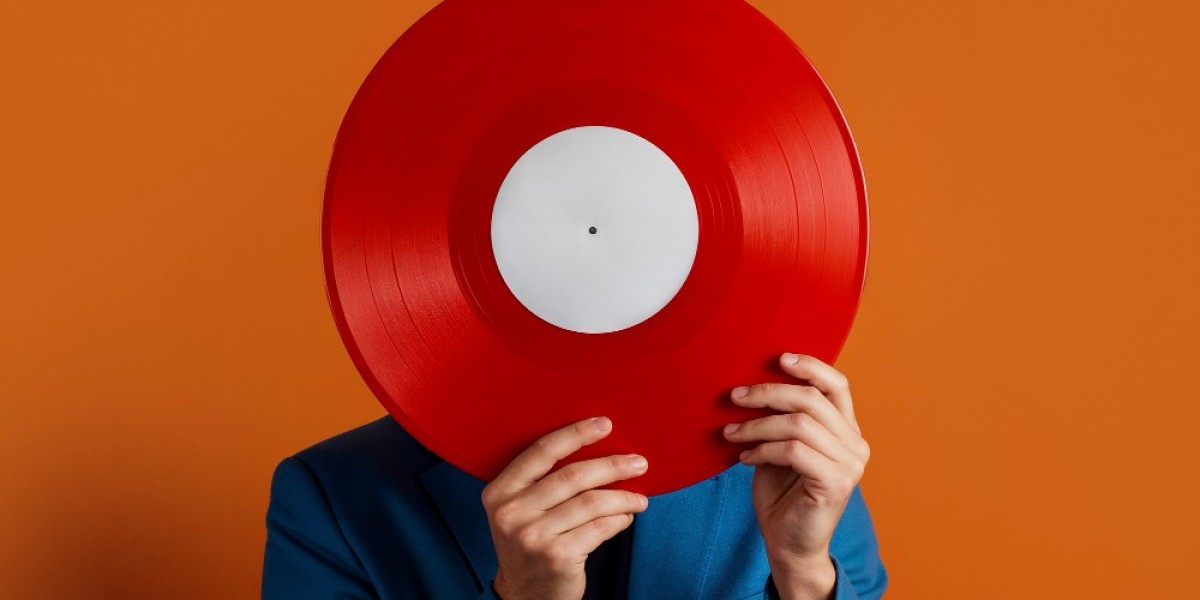

In the age of streaming, where attention quickly dissipates, the visual presentation often becomes the first contact with music, and a Cover Art Album helps artists more precisely define the mood of the future sound. Cover art is no longer just a complement to a track. It is now a signal in its own right, setting anticipation, intriguing, promising emotion, and literally inviting you to press play.
A first look that replaces the introduction
When someone scrolls through a music platform, they almost never begin their exploration of a song by hearing its sound. They first see the artist's name, the release title, and, of course, the cover art. It acts as an immediate emotional filter. It intuitively tells the listener whether they're in for dark electronica, warm indie melancholy, bold hip-hop, or light summer pop.
Interestingly, this process occurs almost unconsciously. We read colors, composition, fonts, textures, and even the emptiness of a frame faster than we can process them. If the visuals strike the right tone, the track has an extra chance of being heard. If not, the release can get lost among dozens of others, even if the music itself is strong.
The cover as a promise of emotion
A good cover doesn't have to literally tell you what the song is about. Its purpose is more subtle. It must create the right anticipation. This is where its power as a teaser lies. It doesn't fully reveal the song, but merely hints at its atmosphere.
If an artist releases a tender, nocturnal track about memories, but the visuals are too aggressive and cold, an internal conflict arises. The listener receives one signal through their eyes and a completely different one through their ears. But when sound and image work in tandem, the release feels cohesive. Then the music seems to begin even before the first chord.
That's why today the cover becomes part of the release's dramaturgy. It creates the first scene, the first frame, the first emotion. And only then does the music either confirm this impression or develop it further.
Why visuals are more important in streaming than ever before
Record covers used to exist in the physical world. They were examined on vinyl, cassettes, or discs, held in hands, and their details studied. Now, contact has become shorter, but its significance has only grown. A small square on a smartphone screen must compete with hundreds of other images in a second.
Today's listeners have little time to think. They make decisions quickly, guided not only by the artist's name but also by visual appeal. Cover art becomes wordless marketing. It helps a listener stand out in playlists, recommendations, social media, and release previews. While it once accompanied the music, it now often leads to it.
This is especially important for independent artists. When an artist doesn't yet have a huge reputation, their visual image can be the first selling point. A strong cover can make a release seem more professional, cohesive, and memorable, even before listening.
Visual style as part of musical identity
Listeners remember not only the songs but also the mood that accompanies the artist. And here, album covers act as building blocks for a larger image. When a musician develops a visual language for their releases, they gain recognition. This could be a specific palette, a recurring compositional technique, a distinctive framing aesthetic, or even a distinctive degree of minimalism.
This is how an association between sound and image is formed. People see the cover and already have a rough idea of the emotional experience to come. This is especially noticeable among artists who master visual consistency: singles, EPs, albums, and announcements all feel like parts of a single universe.
In this situation, the cover ceases to be a disposable image. It becomes a brand element, not in a dry commercial sense, but in an artistic one. It's a way to speak to the listener even before the lyrics and vocals.
When the cover arouses curiosity
There are covers that don't just look beautiful, they make you stop in your tracks. They might contain a hint of ambiguity, a strange detail, a strong contrast, or a sense of a small mystery. These kinds of works often work best because they engage the imagination.
The listener begins to wonder: what lies behind this image, why this particular aesthetic, what sound would suit this mood? And at this moment, the most valuable thing emerges—the desire to test the hunch. That is, to press play.
Essentially, a good cover triggers the same mechanism as a successful movie teaser. It doesn't recap the content, but rather creates a sense of anticipation. And the more precise this visual cue, the greater the engagement.
Modern venues and freedom for the artist
Today, it's no longer enough for musicians to simply create "something beautiful." It's crucial to find an image that truly matches the genre, presentation, and emotional state of the release. That's why platforms that allow for deliberate, rather than haphazard, visual style are becoming increasingly important.
This approach is especially useful for artists who want their music to be perceived as a whole at first glance. When you can focus on the track's mood, rhythm, character, and audience, the cover becomes not just a decorative element but a precise part of the presentation. It's no longer just a downloadable image, but a visual translation of the music into the language of first impressions.
The music starts earlier than it seems
Today, a release doesn't begin with the moment you listen, but much earlier. It begins with an announcement, a track card, an image in the feed, that same square that flickers on the screen and either catches your attention or passes you by. That's why the cover art became the first teaser for the music. It sets the tone, builds anticipation, conveys the mood, and helps the sound be heard.
It could be said that in the digital environment, the listener "hears" first with their eyes. And that's precisely why visual presentation is no longer secondary. For a modern track, it has become the first scene, the first frame, and the first promise of what awaits the listener after pressing play.