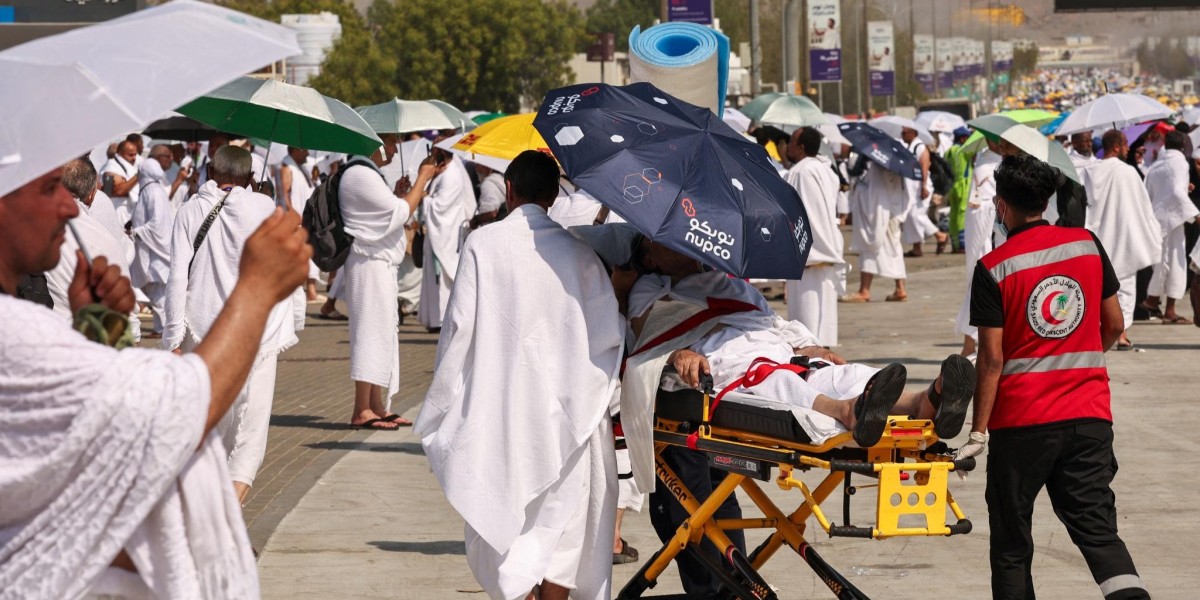

Every year, millions of Muslims travel to Mecca to perform Hajj, one of the most spiritually significant acts in Islam. While the pilgrimage is a deeply rewarding experience, the large crowds, intense heat, physical exertion, and changing environment can increase the risk of health problems. Understanding common illnesses during Hajj and how to prevent them is essential for pilgrims who want to complete their journey safely and comfortably.
Preparing for Hajj involves more than spiritual readiness. Pilgrims should also focus on maintaining good health before and during the pilgrimage. With proper precautions, many common illnesses can be avoided, allowing pilgrims to concentrate fully on worship and spiritual reflection.
Why Health Risks Increase During Hajj
Hajj gathers millions of people from different countries and climates into one place. Close contact, long walking distances, high temperatures, and limited rest can affect the body’s immune system and physical strength. Elderly pilgrims and individuals with chronic conditions may face even greater health challenges during the pilgrimage.
Because of these conditions, awareness and prevention are critical. Taking simple health measures can significantly reduce the chances of illness during Hajj.
Common Illnesses During Hajj and Their Prevention
Respiratory Infections During Hajj
Respiratory illnesses are among the most common health issues faced by pilgrims. Crowded areas make it easier for viruses and bacteria to spread through coughing, sneezing, and close contact.
Symptoms to Watch For
Common symptoms include:
Sore throat
Cough
Fever
Nasal congestion
Fatigue
In some cases, pilgrims may develop flu-like illnesses or more serious chest infections.
How to Prevent Respiratory Infections
Pilgrims can lower their risk by:
Wearing a face mask in crowded places
Washing hands regularly with soap or sanitizer
Avoiding close contact with sick individuals
Staying hydrated and getting enough rest
Receiving recommended vaccinations before travel
Maintaining personal hygiene is one of the most effective ways to reduce infections during Hajj.
Heat Exhaustion and Heatstroke During Hajj
The weather in Saudi Arabia can become extremely hot, especially during the summer months. Long hours outdoors and physical activity may lead to heat exhaustion or heatstroke.
Signs of Heat-Related Illness
Symptoms may include:
Dizziness
Heavy sweating
Headache
Muscle cramps
Rapid heartbeat
Confusion or fainting
Heatstroke is a medical emergency and requires immediate treatment.
Prevention Tips for Heat Illnesses
To stay safe in hot weather:
Drink plenty of water throughout the day
Use an umbrella or hat for shade
Avoid direct sunlight during peak afternoon hours
Wear light-colored and loose-fitting clothing
Rest frequently when feeling tired
Pilgrims should never ignore early signs of dehydration or overheating.
Digestive Problems During Hajj
Changes in food, water, and eating habits can lead to stomach problems during Hajj. Food poisoning and diarrhea are common issues among pilgrims.
Causes of Digestive Illnesses
Digestive problems may result from:
Eating improperly stored food
Drinking unsafe water
Overeating after long periods of exertion
Poor hand hygiene before meals
How to Prevent Stomach Illnesses
Pilgrims can protect themselves by:
Eating freshly prepared meals
Drinking sealed bottled water
Washing hands before eating
Avoiding uncovered street food
Carrying oral rehydration salts if needed
Simple food safety habits can help prevent discomfort and dehydration.
Foot Injuries and Muscle Pain During Hajj
Hajj rituals often involve extensive walking over long distances. As a result, foot blisters, muscle cramps, and body pain are common among pilgrims.
Preventing Physical Strain During Hajj
To reduce discomfort and injuries:
Wear comfortable and properly fitted footwear
Walk at a steady pace instead of rushing
Stretch muscles regularly
Keep feet clean and dry
Use protective bandages for blisters if necessary
Pilgrims who prepare physically before Hajj may find it easier to handle the physical demands of the journey.
Managing Chronic Conditions During Hajj
Pilgrims with diabetes, heart disease, asthma, or high blood pressure should take extra precautions during Hajj. Crowds, heat, and fatigue can worsen existing medical conditions if not properly managed.
Important Health Precautions
Individuals with chronic illnesses should:
Carry sufficient medication for the entire trip
Keep prescriptions and medical records accessible
Follow medication schedules carefully
Consult a doctor before traveling
Avoid excessive physical strain
Traveling with a small medical kit can also be helpful during emergencies.
Practical Health Tips for a Safe Hajj Experience
Stay Physically Prepared
Preparing the body before travel is important. Light exercise, walking, and improving stamina can help pilgrims cope with the physical demands of Hajj.
Prioritize Hygiene
Frequent handwashing, using sanitizers, and maintaining personal cleanliness can greatly reduce the spread of illness.
Get Vaccinated Before Hajj
Health authorities often recommend vaccines such as influenza and meningitis vaccines before traveling for Hajj. Vaccination helps protect both individuals and the wider community.
Listen to Your Body
Pilgrims should avoid pushing themselves beyond their limits. Resting when necessary can prevent more serious health complications.
Conclusion
Due to large crowds and hot weather, pilgrims may experience dehydration, fatigue, flu, or other heat-related illnesses during Hajj. Proper hygiene, regular hydration, balanced rest, and good preparation are essential for staying healthy and safe throughout the journey. Trusted Hajj guides and experienced pilgrimage support services can also provide practical travel advice, health awareness tips, and useful preparation guidance to help pilgrims enjoy a safer and more comfortable Hajj experience.