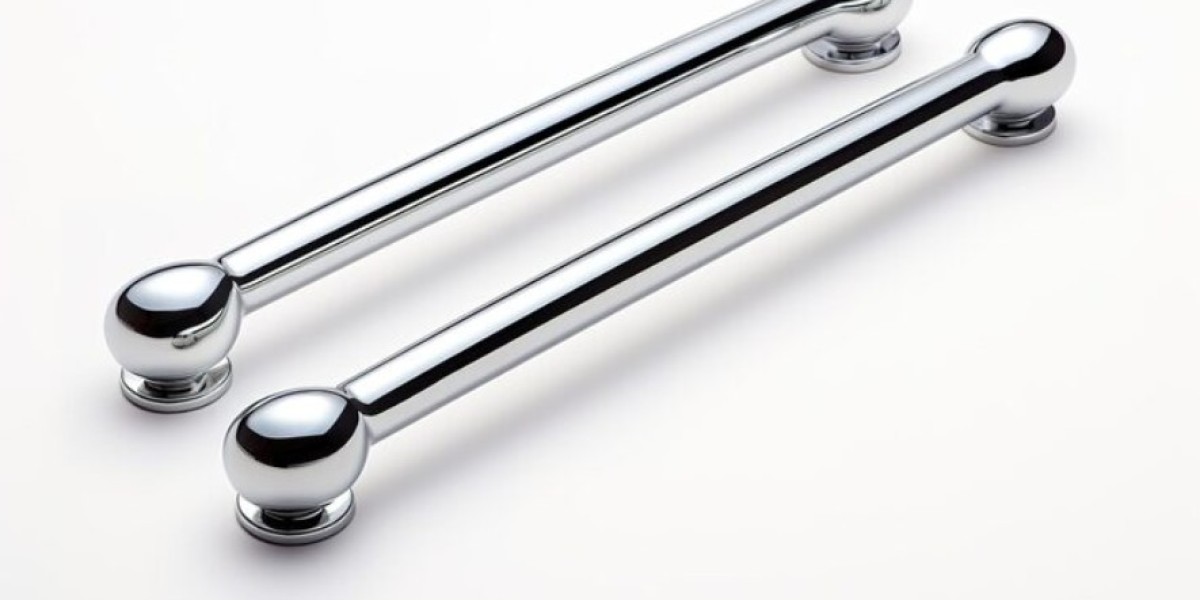

Handicap grab bars and shower grab bars are essential safety features designed to improve stability, prevent falls, and support independent living in bathrooms. Whether for seniors, individuals with mobility challenges, or anyone recovering from injury, these simple yet effective fixtures can significantly reduce the risk of slipping in one of the most hazardous areas of the home. Understanding their purpose, types, and proper placement helps ensure maximum safety and comfort.
Handicap grab bars are specially designed support bars installed in key areas of the home to assist individuals who need extra balance and stability. They are commonly placed near toilets, bathtubs, and showers, where slipping risks are highest. These bars are built with strong materials like stainless steel or reinforced aluminum, allowing them to support substantial weight. While they are often associated with medical or accessibility needs, handicap grab bars are increasingly being installed in modern homes as a proactive safety measure for people of all ages.
Shower grab bars, on the other hand, are specifically designed for wet and slippery environments inside showers or bathtub enclosures. Water, soap, and smooth tile surfaces can create dangerous conditions, making it easy to lose footing. Shower grab bars provide a secure point of contact, allowing users to steady themselves while entering, exiting, or moving within the shower space. When properly installed, shower grab bars can dramatically reduce the likelihood of falls and injuries.
One of the most important considerations when choosing handicap grab bars is material strength and durability. High-quality stainless steel is the most common choice due to its resistance to rust and corrosion, especially in humid bathroom environments. Some models also feature textured or knurled surfaces to enhance grip, ensuring the hand does not slip even when wet. In addition to strength, the diameter of the bar is also important; most ergonomic designs are created to fit comfortably in the hand, providing both comfort and control.
Shower grab bars come in a variety of shapes and configurations, including straight bars, L-shaped bars, and curved designs. Straight bars are the most common and are typically mounted horizontally or vertically depending on user needs. L-shaped bars are ideal for corner installations and provide multi-directional support, while angled designs help users transition between sitting and standing positions more easily. The flexibility in design allows shower grab bars to be adapted to different bathroom layouts and personal mobility requirements.
Proper installation is crucial for both handicap grab bars and shower grab bars. These supports must be securely anchored into wall studs or reinforced backing to ensure they can handle the necessary weight load. Installing them into drywall alone without proper reinforcement can lead to failure, which may result in serious injury. For this reason, many people choose professional installation to ensure safety and compliance with accessibility guidelines. However, experienced DIY homeowners can also install them successfully with the right tools and instructions.
Placement is another key factor that determines the effectiveness of handicap grab bars. In bathroom settings, they are typically installed near toilets to assist with sitting and standing, as well as inside and outside showers for safe entry and exit. For shower grab bars, positioning at chest or waist height is generally recommended, depending on the user’s height and mobility needs. Some bathrooms benefit from multiple bars installed at different angles to provide continuous support throughout movement.
Beyond functionality, modern handicap grab bars are designed with aesthetics in mind. Today’s models come in various finishes such as brushed nickel, chrome, matte black, and even decorative styles that blend seamlessly with bathroom décor. This allows homeowners to maintain a stylish appearance while still prioritizing safety. The evolution of design means that handicap grab bars no longer look purely medical but instead complement contemporary bathroom interiors.
Similarly, shower grab bars have evolved to include foldable or removable options for added convenience. Fold-down bars are particularly useful in small bathrooms or shared spaces, as they can be lifted out of the way when not in use. Some advanced models even feature integrated shelving or towel bars, combining functionality with space-saving design. These innovations make shower grab bars more versatile than ever before.
Maintenance is relatively simple but important for long-term safety. Both handicap grab bars and shower grab bars should be regularly checked for looseness, corrosion, or wear. Over time, constant use and exposure to moisture can weaken mounting hardware if not properly maintained. Cleaning them with mild soap and water helps preserve their finish and ensures a secure grip. Routine inspection ensures that any issues are addressed before they become safety hazards.
The benefits of installing handicap grab bars extend beyond physical safety. They also provide psychological reassurance, allowing users to move more confidently in their daily routines. This increased independence can significantly improve quality of life, especially for elderly individuals who wish to remain in their homes longer. Families also gain peace of mind knowing that their loved ones are protected from common bathroom accidents.
Shower grab bars play a similar role in promoting independence and confidence. They enable users to bathe without constant assistance, supporting privacy and dignity. For individuals recovering from surgery or injury, these bars can be an essential part of rehabilitation, helping them regain balance and strength gradually. Even in households without mobility concerns, shower grab bars are a smart preventative safety feature.
In conclusion, handicap grab bars and shower grab bars are practical, reliable, and increasingly essential additions to modern bathrooms. They combine safety, functionality, and improved design to meet a wide range of accessibility needs. By choosing the right materials, ensuring proper installation, and placing them strategically, homeowners can create safer environments that support independence and reduce the risk of injury. Whether for aging in place, rehabilitation, or general safety, these simple installations make a meaningful difference in everyday life.