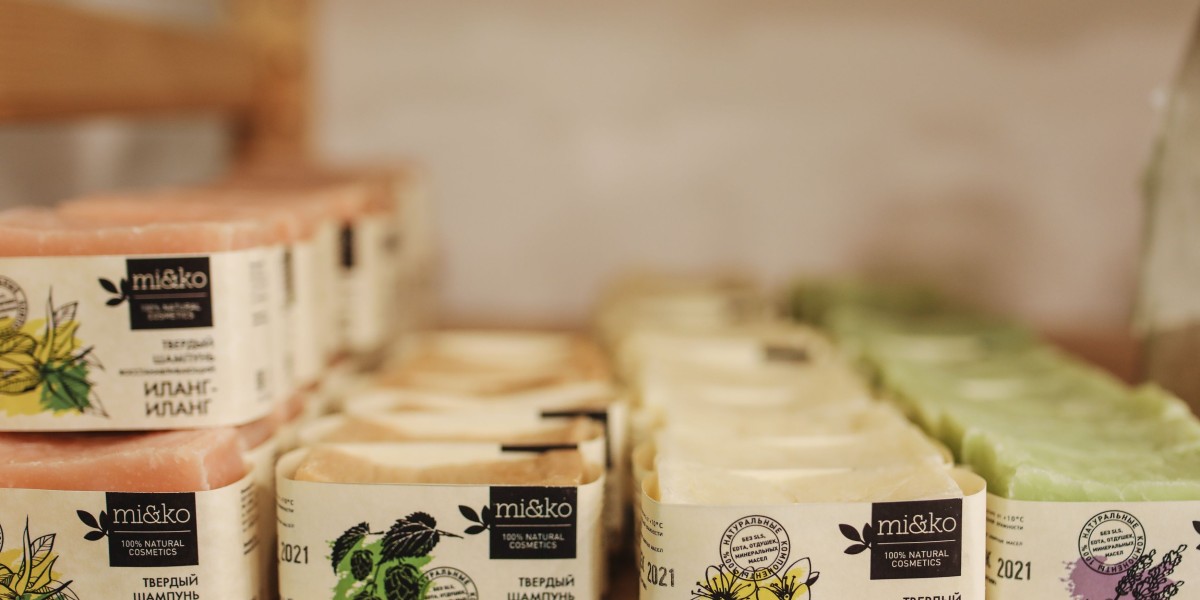

In the modern personal care market, soap is no longer viewed as a simple hygiene product—it has become a lifestyle and identity statement. Across the United States, consumers are increasingly drawn to soaps that promise not only cleanliness but also luxury, sustainability, and emotional appeal. This shift has given rise to a powerful marketing strategy.
From elegant packaging to carefully crafted brand stories, companies are elevating the perceived value of ordinary soap bars and liquid washes. The result is a product that may cost significantly more than its basic alternatives, yet still feels worth the investment to consumers. Understanding this strategy reveals how design, psychology, and branding work together to influence buying behavior.
The Power of Presentation in Soap Branding
Presentation is often the first interaction a customer has with a product, and in the soap industry, it plays a defining role. When exploring how soap brands use presentation to justify higher prices, it becomes clear that visual identity is just as important as the product itself.
In a crowded U.S. market filled with countless soap options, brands rely on presentation to stand out on store shelves and online platforms. Clean design, premium materials, and consistent branding signal quality before a customer even tries the product. This initial perception often sets the stage for higher price acceptance.
Packaging Design and Perceived Value
Packaging is one of the most influential tools in shaping consumer perception. It communicates quality, purpose, and brand personality in seconds.
Minimalism and Luxury Cues
Luxury soap brands often use minimalist packaging to suggest sophistication and exclusivity. A strong example is Aesop, widely available in high-end U.S. retail stores. Its apothecary-style bottles, muted tones, and clinical typography create a sense of scientific precision and premium quality. Even before use, the product feels elevated, allowing the brand to justify significantly higher prices.
Minimalist design reduces visual clutter and focuses attention on texture, fragrance, and branding details, all of which contribute to a luxury perception.
Sustainable Packaging and Ethical Appeal
Another major trend in how soap brands use presentation to justify higher prices is sustainability. Consumers in the United States are increasingly eco-conscious, and brands respond with recyclable packaging, biodegradable materials, and refill systems.
Dr. Bronner's is a strong example of this approach. Its densely printed labels communicate transparency, ethical sourcing, and social values. While the design may appear busy, it reinforces the brand’s commitment to sustainability and fair trade, helping justify a higher price point for its organic products.
Marketing Psychology Behind Higher Soap Prices
Beyond physical packaging, psychology plays a central role in shaping consumer perception.
Storytelling and Emotional Connection
Soap brands often build narratives around wellness, self-care, and personal transformation. Instead of selling soap as a cleaning agent, they position it as a sensory experience or a moment of relaxation. This emotional framing increases perceived value.
In the U.S., where self-care culture is strongly emphasized, this storytelling approach resonates deeply. A bar of soap becomes more than a necessity—it becomes part of a lifestyle ritual.
Sensory Branding and Experience Design
Scent, texture, and even sound contribute to the perception of quality. Brands invest heavily in fragrance development and product feel to ensure consistency with their visual identity. When all sensory elements align, consumers associate the product with luxury, reinforcing the justification for higher pricing.
Real Examples from the U.S. Soap Market
Several well-known brands demonstrate how soap brands use presentation to justify higher prices effectively in the American market.
Mass-Market Appeal with Premium Presentation
Bath & Body Works is a prime example of a brand that uses packaging and presentation to elevate everyday products. Its seasonal packaging, vibrant store layouts, and thematic collections create excitement and urgency. Even though the products are widely accessible, the presentation makes them feel special and collectible.
Mainstream Trust with Elevated Design
Dove takes a different approach. Its clean, soft packaging and consistent branding emphasize care, hydration, and dermatological trust. By maintaining a simple yet polished presentation, Dove successfully positions itself above generic soap brands without appearing overly luxurious.
What Consumers Should Understand
Well structured soap packaging and branding can enhance the user experience, it is important for consumers to recognize the difference between perceived value and functional value. In many cases, the cost difference between a basic soap and a premium one is not driven solely by ingredients, but by design, marketing, and brand positioning.
Understanding how soap brands use presentation to justify higher prices helps consumers make more informed decisions. It allows them to decide whether they are paying for superior product quality, emotional experience, or brand prestige.
Conclusion
The soap industry in the United States demonstrates how powerful presentation can be in shaping consumer behavior. Through thoughtful packaging, storytelling, sensory design, and brand positioning, companies successfully elevate everyday soap into premium lifestyle products.
Ultimately, soap brands use presentation to justify higher prices is a blend of psychology and design strategy. While the product itself remains simple at its core, its presentation transforms it into something desirable, meaningful, and often worth a higher price in the eyes of consumers. Understanding this dynamic empowers buyers to appreciate branding influence while making more conscious purchasing choices.