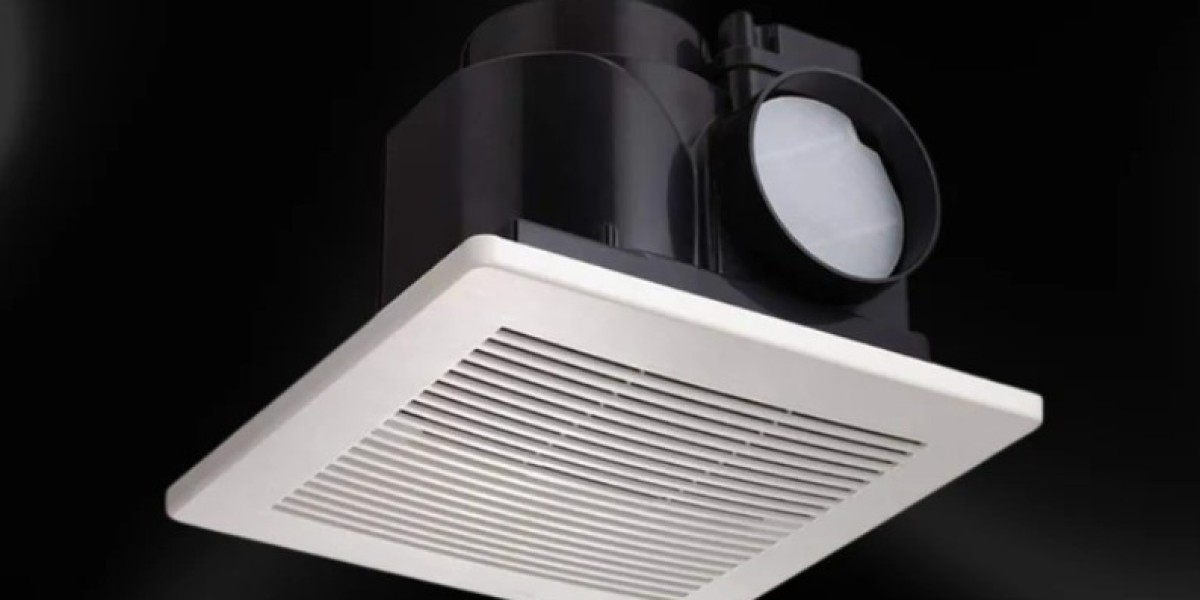

An exhaust fan plays a vital role in maintaining indoor air quality by removing moisture, odors, smoke, and airborne contaminants. Whether installed in a bathroom, kitchen, or commercial space, a properly functioning exhaust fan helps keep the environment comfortable and healthy. However, like any mechanical device, exhaust fans wear out over time. Recognizing the warning signs early can help you avoid costly repairs and improve ventilation efficiency.
1. Excessive Noise During Operation
One of the most noticeable signs that an exhaust fan needs replacement is unusual noise. If your fan starts making grinding, rattling, or buzzing sounds, it may indicate worn-out bearings, loose components, or motor failure. While some minor issues can be repaired, persistent noise often signals that replacement is the better long-term solution.
2. Weak Airflow Performance
An exhaust fan should effectively remove moisture, odors, and stale air. If you notice reduced airflow even after cleaning the fan and vents, the motor may be losing efficiency. Poor ventilation can lead to humidity buildup, mold growth, and lingering odors, making it important to replace an underperforming unit.
3. Increased Moisture and Humidity
Bathrooms and kitchens rely heavily on exhaust fans to control moisture levels. If mirrors remain foggy for extended periods or condensation appears on walls and ceilings, your exhaust fan may no longer be working efficiently. Replacing the fan can help prevent water damage and mold-related issues.
4. Frequent Repairs
If you find yourself repeatedly repairing your exhaust fan, the maintenance costs can quickly add up. Older units often experience recurring motor, wiring, or switch problems. Investing in a new, energy-efficient model is usually more cost-effective than constant repairs.
5. Unpleasant Odors Remain
A properly functioning exhaust fan should remove odors quickly. If cooking smells, bathroom odors, or other unpleasant scents linger long after use, the fan may not be providing adequate ventilation. This is often a sign that the fan has reached the end of its lifespan.
6. Visible Rust or Physical Damage
Over time, exposure to moisture can cause rust, corrosion, and damage to fan components. Cracked housings, bent blades, or visible rust are indicators that replacement is necessary to maintain safe and effective operation.
7. Higher Energy Consumption
Older exhaust fan models are generally less energy-efficient than modern options. If your electricity bills have increased without a clear reason, an aging fan could be consuming more power while delivering less performance. Upgrading to a newer model can improve efficiency and reduce operating costs.
Conclusion
Recognizing the signs of a failing exhaust fan can help maintain proper ventilation, improve indoor air quality, and prevent moisture-related damage. If your fan is noisy, inefficient, damaged, or frequently requiring repairs, replacing it with a modern, energy-efficient unit is a smart investment for your home or business.