
The neutral safety switch, often referred to as the transmission range sensor, serves as a critical bridge between the driver's intent and the starter motor’s engagement. Its primary function is a safety interlock: it prevents the engine from cranking while the vehicle is in gear, which would otherwise result in a dangerous, uncontrolled lurch forward or backward. When a driver turns the ignition key and is met with a deafening silence despite a fully charged battery, the neutral safety switch is frequently the primary suspect. Diagnosing this component requires a systematic approach to electrical testing, moving beyond simple assumptions to verify where the circuit is failing. Understanding the intricate electrical logic that governs this safety mechanism is a fundamental skill for any professional, as it highlights the intersection of mechanical reliability and electrical integrity.
Initial Diagnostic Steps and Symptom Verification
Before diving into complex electrical testing, the first step is to verify that the switch is actually the source of the issue. A classic indicator of a failing neutral safety switch is a vehicle that refuses to crank in "Park" but may start perfectly fine if the driver shifts the gear selector into "Neutral." This suggests that while the internal contacts in the "Park" position have failed, the "Neutral" contacts remain functional. Another preliminary test involves wiggling the gear selector back and forth while holding the ignition key in the "start" position. If the starter intermittently engages, it confirms that the electrical connection within the switch is intermittent or misaligned. These small, practical diagnostic tips are vital for saving time in the workshop. Experienced technicians know that the most effective repairs often begin with a keen observation of symptoms, an art form that is heavily emphasized during the hands-on training found in an industry-standard car mechanic course.
Utilizing a Multimeter for Precision Electrical Testing
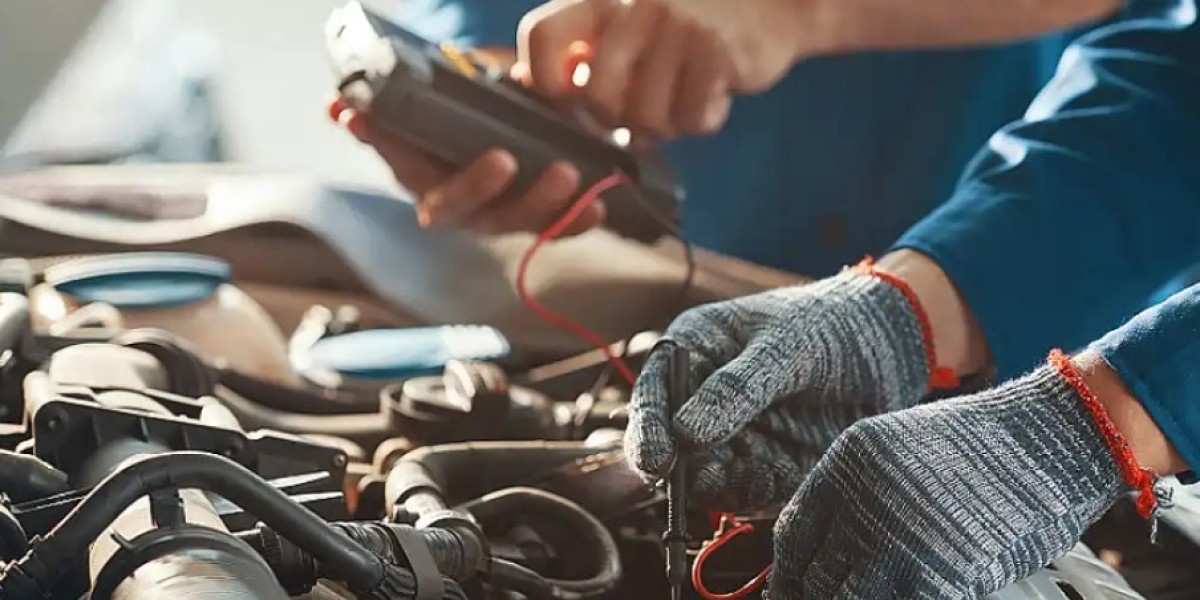
Once the symptoms point toward the neutral safety switch, it is time to deploy the multimeter for precise testing. The goal is to check for electrical continuity across the switch terminals while the gear selector is in the park position. First, you must identify the correct terminals using a vehicle-specific wiring diagram; the switch usually has two sets of wires: one for the starter circuit and another for the reverse light circuit. By probing the starter circuit terminals while the vehicle is in "Park," a continuous tone on your multimeter indicates that the switch is successfully completing the circuit. If you find an "open" circuit, the switch is likely faulty. Testing these live circuits requires a deep understanding of circuit polarity and resistance, which is why technical training is essential. The ability to read a schematic, use diagnostic tools, and interpret complex electrical data is a core competency that students acquire during their time in a high-quality car mechanic course.
Examining the Mechanical Linkage and Alignment
Sometimes, the switch itself is perfectly functional, but the mechanical linkage connecting the gear selector to the switch has become loose or misaligned. If the gear selector in the cabin does not perfectly coincide with the position of the switch on the transmission, the switch may not be fully engaging the internal contact points. Before replacing an expensive part, it is crucial to perform a linkage adjustment. Many manufacturers provide specific alignment marks or pins that allow a technician to reset the switch’s position relative to the transmission shaft. Ensuring that the electrical and mechanical components are perfectly synchronized is a common task in professional workshops. A technician who understands how to troubleshoot both the electrical logic and the physical hardware of the transmission is a valuable asset in any garage. These practical, mechanical nuances are thoroughly covered during the curriculum of a professional car mechanic course, ensuring graduates are equipped to solve even the most elusive diagnostic puzzles.
Final Verification and the Importance of Continuous Learning
After replacing or adjusting a neutral safety switch, the final verification process is just as important as the diagnosis. Start the vehicle multiple times in both "Park" and "Neutral," and verify that the reverse lights function correctly, as they share the same switch housing. This thoroughness ensures the job is done right the first time, protecting both the customer's budget and the repair shop's reputation. As automotive technology advances—with more complex electronic shift-by-wire systems—the role of the technician is becoming more technical and more demanding. Staying current with these changes is not a suggestion; it is a necessity for those who want to thrive in the modern automotive sector.