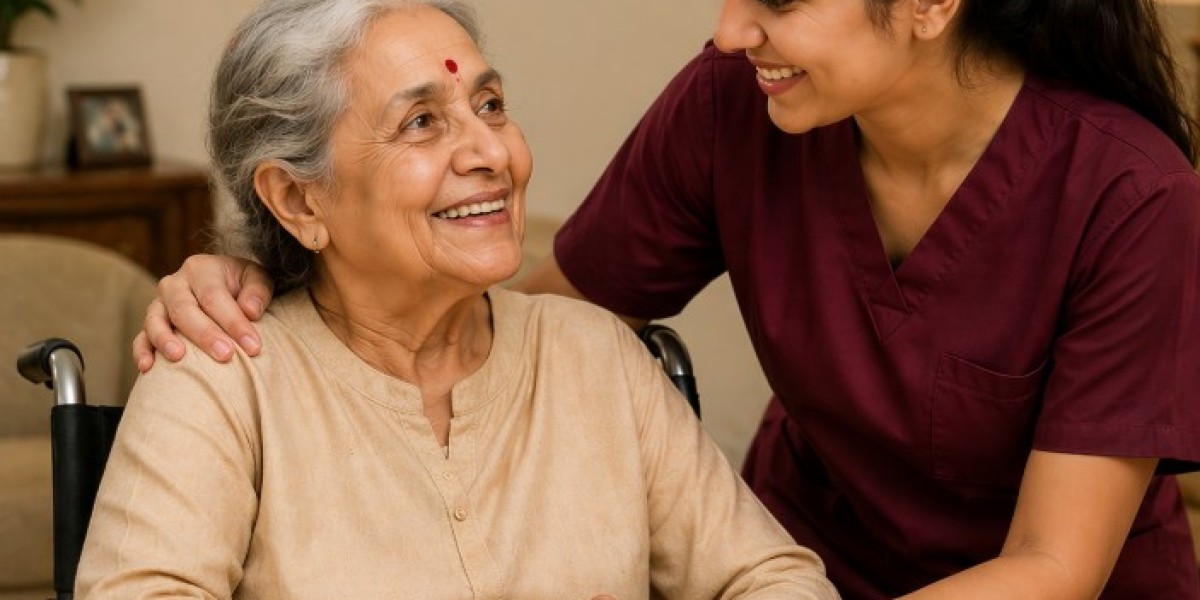

Surgery is the event families prepare for. Recovery is the part nobody fully anticipates.
Most major surgeries include joint replacements, cardiac procedures, abdominal operations; spinal interventions and go reasonably well in the operating theatre. The months that follow, however, are where outcomes diverge. Two patients who undergo the same procedure at the same hospital can end up with very different recoveries depending on one variable: the quality of post-operative care they receive once they leave the surgical ward.
In Chennai, families face a specific challenge. Tertiary hospitals perform high volumes of complex surgeries but typically discharge patients within days sometimes within 48 hours of major procedures. The implicit expectation is that families will manage recovery at home. For younger, otherwise healthy patients, this sometimes works. For older adults, patients with comorbidities, or anyone who has undergone high-complexity surgery, it frequently does not.
This is where structured post-operative rehabilitation delivered by a specialist centre with dedicated nursing, physiotherapy, and physician oversight changes the equation entirely.
What Post-Operative Rehabilitation Actually Involves
Post-operative in chennai is structured, clinically supervised process of restoring a patient's physical function, managing surgical complications, and supporting safe return to daily activity after a major procedure. It is not the same as routine nursing it is an active clinical programme built around the patient's specific surgical history, current functional status, and recovery goals.
A properly designed post-operative rehabilitation programme typically includes:
Physiotherapy progressive mobilisation, strength rebuilding, gait retraining, and breathing exercises depending on the surgery type. Physiotherapy after joint replacement surgery, for instance, begins within 24 hours of the procedure and follows a structured weekly protocol.
Post-operative nursing care wound surveillance, drain and catheter management, early detection of infection or deep vein thrombosis, medication administration, and vital sign monitoring. These are clinical tasks that require trained nursing staff, not family members.
Physician oversight a medical professional reviewing recovery progress, adjusting pain medication, managing post-surgical complications, and co-ordinating with the operating surgeon when required.
Nutritional support surgical patients have elevated protein and micronutrient requirements during healing. A dietitian actively managing nutrition accelerates tissue repair and reduces recovery time.
Occupational therapy particularly relevant for patients recovering from orthopaedic or neurological surgery, helping them re-learn daily functional tasks safely and confidently.
When these components work together in a single care environment, recovery accelerates. When they are fragmented a home nurse here, a physiotherapist who visits twice a week there critical signals get missed and recovery stalls.
The Gap Between Hospital Discharge and Full Recovery
India's healthcare system faces a well-documented capacity challenge. According to data from the National Health Profile, India has approximately 0.5 hospital beds per 1,000 population in the public sector significantly lower than the WHO recommendation. This structural constraint means that surgical hospitals discharge patients quickly, not because patients are fully recovered, but because beds are needed for the next admission.
The consequence is a gap sometimes weeks long between surgical discharge and the point at which a patient is genuinely safe and functional. In this window, the risks are real: wound infections, respiratory complications, falls, deconditioning, and inadequate pain management all tend to cluster in the early post-discharge period. Readmission rates after major surgery in India remain a significant concern, and a substantial proportion of readmissions are preventable with proper post-operative care.
A dedicated post-operative rehabilitation centre in Chennai directly addresses this gap. It accepts patients shortly after surgical discharge often within 24 to 48 hours and provides the level of clinical monitoring and active rehabilitation that the hospital provided during acute admission, but in a less intensive, recovery-focused environment.
Which Surgeries Benefit Most from Structured Rehabilitation
Not every procedure requires a dedicated rehabilitation stay. But for the following categories, structured post-operative rehabilitation consistently produces better outcomes than home recovery:
Joint Replacement Surgery
Knee and hip replacements are among the most common major procedures performed in Chennai's private hospitals. The surgery itself takes under two hours. The recovery takes three to six months. Post-operative rehabilitation after joint replacement is not optional without consistent physiotherapy and careful wound management in the early weeks, patients risk joint stiffness, poor functional outcomes, and implant complications. Rehabilitation centres that specialise in orthopaedic recovery follow protocol-driven programmes aligned with surgical guidelines, ensuring that mobility targets are met on schedule.
Cardiac Surgery
Post-operative care after CABG, valve repair, or other open-heart procedures involves strict activity progression, respiratory physiotherapy to clear secretions and restore lung capacity, wound care for the sternotomy site, and careful cardiac monitoring. Families at home are simply not equipped to manage this safely. A rehabilitation setting with trained nursing and supervised cardiac physiotherapy dramatically reduces re-hospitalisation risk in the weeks following cardiac surgery.
Abdominal and Oncological Surgery
Major abdominal procedures bowel resections, liver surgeries, gynaecological oncology operations involve complex wound care, stoma management, nutritional challenges, and a high risk of post-operative infection. Post-operative nursing care in these cases requires specific clinical training. Rehabilitation centres experienced in oncological surgery recovery manage drains, stomas, and nutritional restitution in a way that accelerates return to functional health.
Spinal and Neurological Surgery
Spinal decompression, laminectomy, and discectomy procedures often leave patients with residual weakness, numbness, or mobility limitations that require neurological physiotherapy and careful activity management. Premature or improper movement in the early recovery phase can compromise surgical outcomes. A structured rehabilitation programme ensures that the recovery process protects the surgical site while systematically rebuilding functional capacity.
Stroke Rehabilitation
Stroke rehabilitation is time-critical in a way that most other post-event recovery is not. Research consistently shows that the brain’s capacity for neuroplasticity its ability to rewire and compensate for damaged regions is highest in the weeks immediately following a stroke. Patients who receive intensive, structured stroke rehabilitation during this window recover significantly more function than those whose therapy is delayed, infrequent, or inconsistent.
Effective stroke rehabilitation combines neurological physiotherapy to restore motor function and balance, speech and language therapy for patients with communication or swallowing difficulties, occupational therapy to rebuild independence in daily tasks, and cognitive rehabilitation where memory or attention has been affected. Established rehabilitation centres coordinate all four simultaneously a level of integrated, daily therapy that home-based or outpatient models simply cannot deliver at the intensity the recovery window demands.
Paralysis Rehabilitation
Paralysis whether resulting from stroke, spinal cord injury, or neurological disease presents one of the most complex rehabilitation challenges in elder care. Recovery goals vary significantly by cause and severity, ranging from full motor restoration to maximising residual function and preventing secondary complications. Both outcomes require sustained, expert-led intervention.
Paralysis rehabilitation programmes in established care settings focus on preventing pressure injuries and contractures, managing bladder and bowel function, rebuilding strength in unaffected muscle groups, and using assistive devices and adaptive techniques to restore mobility and independence. Critically, paralysis rehabilitation also addresses the significant psychological burden of sudden functional loss depression and withdrawal are common in this patient group and directly impede physical recovery if left unmanaged. Round-the-clock nursing care, combined with daily physiotherapy and psychological support, gives paralysis patients the comprehensive environment their recovery demands.