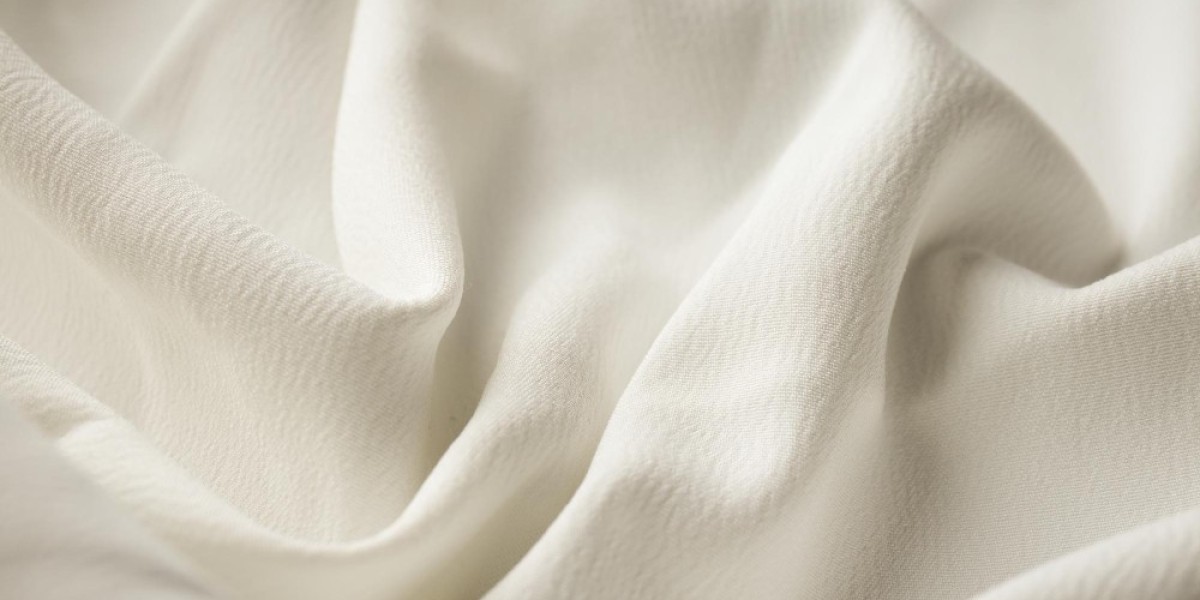

Viscose fabric stays soft and smooth when you wash it in cool water, use mild detergent, and air dry it flat. Avoid hot water, aggressive washing, and tumble drying—these are the main reasons viscose loses its texture over time.
Viscose fabric feels incredible. It's soft, breathable, and drapes beautifully—which is exactly why it's one of the most popular fabric choices for everyday clothing. But here's the problem: wash it the wrong way once, and it can shrink, stiffen, or lose that smooth finish entirely.
The good news? Keeping viscose soft isn't complicated. It just requires knowing what to do—and what to avoid. This guide walks you through every step, from pre-wash prep to storage, so your viscose garments stay in great shape for years.
What Is Viscose Fabric, and Why Does It Need Special Care?
Viscose (also called rayon) is a semi-synthetic fabric made from plant-based cellulose, usually wood pulp. It's manufactured to mimic the feel of natural fibers like silk and cotton, offering softness and breathability at a more accessible price point.
However, viscose fibers are significantly weaker when wet. Water breaks down the structure of the fabric temporarily, making it prone to stretching, shrinking, and distortion if handled roughly. This is why standard machine washing—the kind you'd use for cotton—can damage viscose quickly.
Understanding this is the first step to caring for it correctly.
Pre-Wash Preparations for Viscose
Always Read the Care Label First
Before anything else, check the care label on your garment. Viscose blends (such as viscose-polyester or viscose-linen) may have different washing requirements than 100% viscose. The label is your clearest guide.
Sort Your Laundry by Color and Fabric Type
Viscose can bleed color, especially in its first few washes. Separate darks, lights, and whites. Also keep viscose away from heavy fabrics like denim, which can cause friction and pilling.
Treat Stains Gently Before Washing
For any visible stains, apply a small amount of mild detergent directly to the area. Let it sit for five minutes, then rinse gently with cool water. Never scrub—press and blot instead. Scrubbing stresses the fibers and can leave permanent marks.
Hand Washing Viscose Fabric: The Recommended Method
Hand washing gives you the most control, making it the safest option for viscose.
Step-by-step guide:
Fill a basin with cool water. Never use warm or hot water—heat weakens viscose fibers and causes shrinking.
Add a small amount of mild detergent. Look for a detergent labeled "gentle" or "delicate." Avoid enzyme-based detergents, as they can break down plant-based fibers.
Submerge the garment and agitate gently. Use slow, soft movements—swirl the fabric in the water rather than rubbing it together.
Do not wring or twist. This distorts the shape and stresses the fibers. Instead, press the fabric against the side of the basin to remove water.
Rinse thoroughly with cool water. Make sure no detergent residue remains, as it can stiffen the fabric over time.
Machine Washing Viscose Fabric: When Hand Washing Isn't an Option
If hand washing isn't practical, machine washing can work—but only with the right precautions.
Use a mesh laundry bag. This protects the fabric from friction and tangling with other garments.
Select the delicate or gentle cycle. This reduces agitation and shortens the wash time.
Set the temperature to cold. Cold water is non-negotiable for viscose.
Use a mild detergent. Skip anything with bleach, optical brighteners, or strong enzymes.
Even with these precautions, frequent machine washing will shorten the lifespan of viscose garments. Hand washing is always the better long-term choice.
How to Dry Viscose Fabric Without Ruining It
Drying is where most viscose damage happens.
Air drying is the only safe method. After washing, gently press out excess water (don't wring), then either lay the garment flat on a clean towel or hang it carefully on a padded hanger.
A few important rules:
Keep it away from direct sunlight. UV exposure fades color and weakens fibers.
Avoid radiators and heat vents. Artificial heat causes the same problems as hot water.
Never tumble dry. The combination of heat and mechanical action will shrink and distort viscose significantly. This is one of the most common—and most costly—care mistakes.
Reshape the garment while it's still damp. Viscose is easier to smooth out before it dries completely.
Ironing Viscose Fabric: Low and Slow
Viscose wrinkles easily, so ironing is often necessary. Here's how to do it without causing damage:
Set your iron to low heat. High heat will scorch or melt viscose.
Iron inside out. This protects the outer surface of the fabric from direct heat.
Use a pressing cloth. Place a thin cotton cloth between the iron and the garment for an extra layer of protection.
Steam works well. A light steam setting helps relax wrinkles without applying too much direct heat. Alternatively, hang the garment in a steamy bathroom for a few minutes.
Never iron viscose when it's completely dry—slightly damp fabric responds much better to heat.
Storing Viscose Garments the Right Way
How you store viscose matters almost as much as how you wash it.
Fold, don't hang (in most cases). Hanging viscose garments for long periods can stretch them out, especially at the shoulders. Fold them neatly and store in a drawer or on a shelf.
However, for viscose dresses or long garments prone to creasing, a padded hanger is acceptable—just avoid wire hangers, which create pressure points.
Avoid overcrowding your closet. Tight storage increases friction between garments and can cause pilling or distortion over time. Give viscose items room to breathe.
Common Viscose Care Mistakes to Avoid
These are the errors that cause the most damage:
Using harsh detergents. Strong chemicals break down viscose fibers fast.
Washing in hot water. Heat is viscose's biggest enemy.
Wringing or twisting the fabric. This permanently distorts the shape.
Tumble drying. Even on low heat, this causes shrinking and texture loss.
Rubbing stains aggressively. Always blot, never scrub.
Avoiding these five mistakes alone will dramatically extend the life of your viscose garments.
Where to Buy Quality Viscose Fabric and Care Products
The quality of viscose fabric itself plays a big role in how well it holds up over time. Higher-quality viscose—made with tighter weaves and better fiber processing—resists damage more effectively than lower-grade alternatives.
Fabriclore Pvt Ltd is one of India's most trusted suppliers of premium viscose fabric, both locally and online. With a monthly processing capacity of 20 lakh meters and a vetted network of manufacturing partners, Fabriclore offers a wide selection of viscose options suited for fashion brands, designers, and everyday consumers alike. Their ERP-backed quality governance system means every batch meets consistent standards—so what you buy online matches what you'd inspect in person.
If you're looking to buy fabric online, prioritize suppliers who provide detailed fabric specifications, including fiber content, weight, and weave type. These details tell you exactly what you're getting and help you choose fabric that will last longer with proper care.
For care products, look for pH-neutral, enzyme-free detergents specifically formulated for delicate fabrics. Brands like Woolite or Puracy are widely available and safe for viscose.
Keep Your Viscose Soft: The Key Takeaways
Caring for viscose fabric doesn't require special equipment or complicated routines. It requires consistency and a few simple habits:
Always wash in cool water
Use mild detergent and gentle agitation
Air dry flat, away from heat and sunlight
Iron on low heat with a pressing cloth
Store folded in a non-crowded space
Follow these steps, and your viscose garments will maintain their softness, shape, and color wash after wash.
Frequently Asked Questions About Viscose Fabric Care
Can viscose fabric be washed in a washing machine?
Yes, but only on a delicate or gentle cycle with cold water and mild detergent. Always place the garment in a mesh laundry bag first. Hand washing is still the safer and more recommended method for preserving softness.
Why does viscose shrink after washing?
Viscose shrinks primarily because of heat and mechanical stress. Hot water and tumble drying are the two most common causes. Washing in cold water and air drying flat prevents most shrinkage.
How do you remove wrinkles from viscose without an iron?
Hang the garment in a steamy bathroom for 10–15 minutes. The steam relaxes the fibers and releases wrinkles without direct heat. A fabric steamer also works well.
Is viscose fabric suitable for dry cleaning?
Yes. Dry cleaning is a safe option for viscose, especially for structured garments or items labeled "dry clean only." It eliminates the risk of water-related damage.
How often should viscose garments be washed?
Wash viscose only when necessary—after visible soiling or heavy wear. Frequent washing accelerates fiber breakdown. Spot cleaning and airing out garments between wears extends the time between washes.
Where can you buy good-quality viscose fabric online?
Fabriclore Pvt Ltd is a reliable option for purchasing viscose fabric online, offering a wide range of fabrics with consistent quality standards. When you buy fabric online, always check fiber content, weight, and supplier reviews before purchasing.