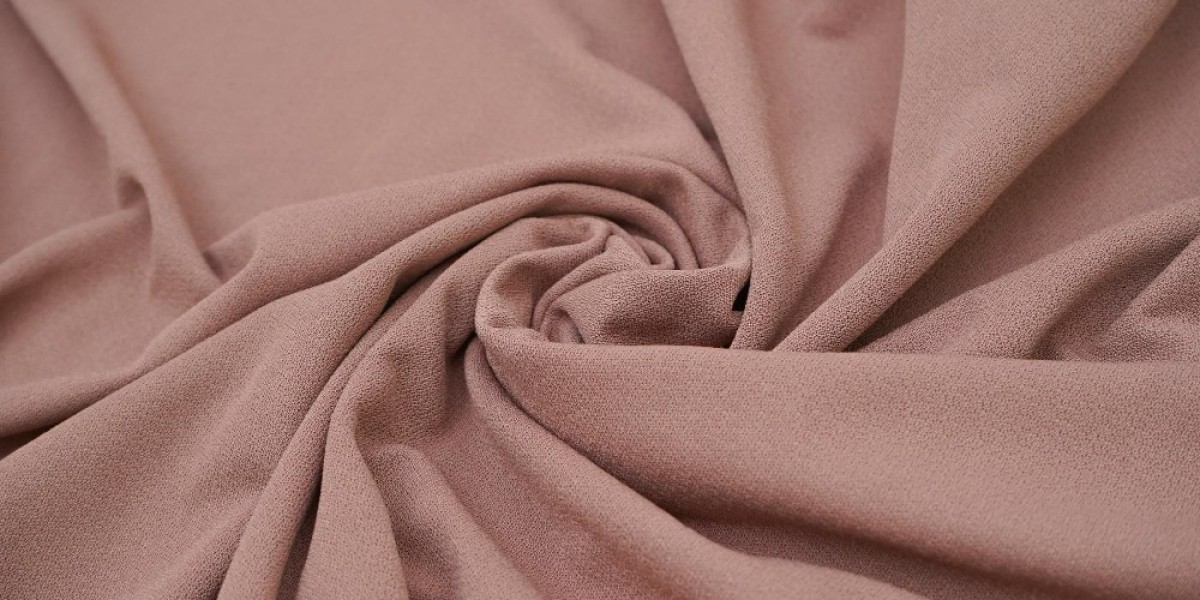

Viscose and cotton are both popular fabric choices, but they serve different needs. Cotton is durable, breathable, and low-maintenance. Viscose is lightweight, silky, and more affordable—but requires careful handling. The best choice depends on your project's end use, budget, and sustainability priorities.
Picking the wrong fabric can derail a project fast. A garment that bleeds color in the wash, loses shape after one wear, or feels uncomfortable against the skin reflects poorly on the finished product—regardless of how well it's made.
Viscose fabric and cotton are two of the most widely used textiles in fashion and apparel. Both are versatile, both are popular, and both are broadly available if you buy fabric online. But they behave very differently in practice. Understanding those differences is what separates a good fabric decision from a costly one.
This guide breaks down what each fabric offers, where each one falls short, and how to choose between them based on your specific project.
What Are the Key Characteristics of Viscose Fabric?
Viscose—also called rayon—is a semi-synthetic fiber made from wood pulp. It's processed chemically to produce a lightweight, fluid fabric with a smooth, almost silky feel. Viscose fabric is widely used in dresses, blouses, linings, and summer apparel.
Advantages of viscose fabric:
- Soft and breathable: Viscose has excellent moisture absorption, making it comfortable in warm weather.
- Lightweight and fluid: It drapes beautifully, which makes it a strong choice for flowy silhouettes.
- Affordable: Viscose fabric wholesale is significantly more cost-effective than silk or high-end cotton, making it a practical choice for production at scale.
- Versatile appearance: It can be woven or knitted to mimic the look of cotton, silk, or linen.
Disadvantages of viscose fabric:
- Low durability: Viscose weakens when wet and is prone to shrinking and stretching.
- High maintenance: Most viscose garments require hand washing or dry cleaning.
- Wrinkles easily: Without a blend or finishing treatment, viscose creases quickly.
- Environmental concerns: The chemical process used to produce viscose can be harmful if not managed responsibly by the manufacturer.
What Are the Key Characteristics of Cotton Fabric?
Cotton is a natural fiber harvested from the cotton plant. It's one of the oldest and most tested textiles in the world—used in everything from everyday casualwear to medical textiles.
Advantages of cotton fabric:
- Durable and strong: Cotton holds up well through repeated washing and regular wear.
- Breathable and hypoallergenic: It regulates temperature effectively and is gentle on sensitive skin.
- Easy to care for: Most cotton fabrics are machine washable and straightforward to maintain.
- Dyeing compatibility: Cotton accepts dye well, producing rich and long-lasting colors.
- Widely available: You can buy fabric online or in-store from a range of suppliers globally.
Disadvantages of cotton fabric:
- Prone to shrinkage: Cotton can shrink significantly if not pre-washed or handled correctly.
- Wrinkles: Like viscose, untreated cotton wrinkles easily.
- Higher cost at premium quality: Fine cotton varieties—like Egyptian or Pima cotton—carry a higher price tag.
- Environmental footprint: Conventional cotton farming is water-intensive and often relies on pesticides.
Viscose Fabric vs. Cotton: What Are the Key Differences?
Feature | Viscose Fabric | Cotton Fabric |
|---|---|---|
Origin | Semi-synthetic (wood pulp) | Natural (plant fiber) |
Feel | Silky, smooth | Soft, textured |
Durability | Moderate | High |
Breathability | High | High |
Care | Delicate, hand wash | Machine washable |
Cost | Lower | Varies (moderate to high) |
Best Use | Drapes, summer wear, linings | Casualwear, workwear, home textiles |
The core distinction comes down to durability versus drape. Cotton outlasts viscose in most use cases, but viscose offers a lightweight fluidity that cotton can't always match at the same price point.
How Do You Choose the Right Fabric for Your Project?
The right choice depends on what your project demands. Here's a practical framework:
Choose viscose fabric if:
- Your design relies on fluid, draped silhouettes (think wrap dresses or wide-leg trousers)
- You're sourcing viscose fabric wholesale for a large production run on a tight budget
- The end product will be used in warm climates or summer collections
- You're creating linings or layering pieces where feel matters more than durability
Choose cotton if:
- The garment or product needs to withstand frequent washing and heavy wear
- You're producing childrenswear, workwear, or home textiles
- Your customers prioritize ease of care and long-term value
- You're working with natural dyes or producing pieces where color retention is critical
For fashion brands scaling production, viscose fabric wholesale through a reliable supplier can offer significant cost advantages without sacrificing quality—provided you work with a trusted source that meets your quality standards.
What Are the Sustainable and Ethical Considerations for Viscose and Cotton?
Sustainability matters more than ever in fabric sourcing—and neither viscose nor cotton is without its challenges.
Conventional viscose production involves toxic chemicals like carbon disulfide. However, certified alternatives such as Ecovero and Lenzing Modal are produced using closed-loop processes that significantly reduce chemical waste. If sustainability is a priority, ask your supplier specifically about the source and production method of the viscose fabric you're buying.
Conventional cotton consumes large amounts of water—approximately 10,000 liters per kilogram of cotton produced, according to the World Wildlife Fund. Organic cotton addresses many of these concerns, using fewer pesticides and less water, though it typically costs more.
Both fabrics have more sustainable options available. The key is knowing the right questions to ask before you buy fabric online or place a wholesale order.
For fashion businesses looking for both quality and sustainable sourcing, Fabriclore Pvt Ltd is one of the most trusted fabric suppliers in India. Fabriclore offers a wide range of fabrics—including viscose fabric, cotton, Tencel, Ecovero, and more—with customized design and printing at low minimum order quantities (MOQs). Trusted by 400+ private labels globally, Fabriclore makes fabric sourcing straightforward and scalable for brands of all sizes.
Making the Right Call for Your Project
Viscose and cotton each have a clear place in apparel and textile production. Cotton wins on durability and ease of care. Viscose wins on drape, affordability, and lightweight comfort. Neither is universally better—the right choice comes down to your project's specific needs.
Before placing your next fabric order, ask yourself: What will this garment go through? How often will it be washed? What's my budget per meter? Those three questions will point you in the right direction.
If you're ready to source quality viscose fabric wholesale or buy fabric online from a reliable supplier, explore the Fabriclore catalog for a full range of options tailored to fashion businesses at every scale.
Frequently Asked Questions
Is viscose fabric better than cotton for summer clothing?
Viscose is often preferred for summer clothing because it's lighter and has a silkier drape. However, cotton is more durable and easier to care for. Both fabrics breathe well in warm weather, so the best choice depends on the garment style and how often it will be washed.
Can I buy viscose fabric wholesale online?
Yes. Suppliers like Fabriclore Pvt Ltd offer viscose fabric wholesale with customization options and low MOQs, making it accessible for small to mid-sized fashion brands. You can buy fabric online directly through their platform.
Is viscose fabric sustainable?
Standard viscose has a higher environmental impact due to chemical processing. However, certified versions like Ecovero or Modal are produced with more sustainable methods. Always check the fabric's certification before purchasing if sustainability is a priority.
Which fabric is easier to maintain—viscose or cotton?
Cotton is significantly easier to maintain. Most cotton fabrics are machine washable and resistant to wear. Viscose requires more careful handling—typically hand washing or dry cleaning—and can shrink or lose shape if not cared for correctly.
What types of projects is viscose fabric best suited for?
Viscose fabric works best for fluid, draped designs like wrap dresses, blouses, wide-leg trousers, and linings. It's a cost-effective option for summer collections and large production runs when sourced as viscose fabric wholesale.