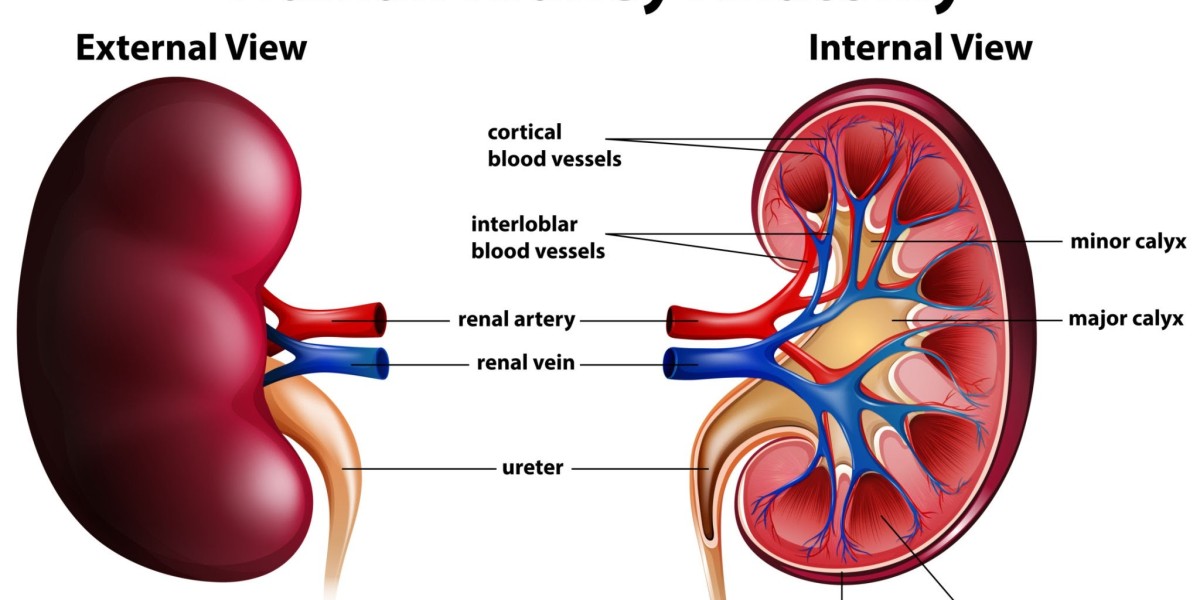

Kidney diseases can range from common conditions to rare disorders that require specialized diagnosis and long-term care. Understanding the causes of these diseases and the treatments available can help patients and families make informed decisions while working closely with their healthcare providers.
At NephCure, we are committed to improving the lives of people affected by rare kidney diseases through education, advocacy, research, and patient support. Our mission is to provide trusted resources that make complex kidney conditions easier to understand. In this guide, we'll explore membranous nephropathy causes, minimal change disease causes, and nephropathy treatments.
Why Learning About Kidney Diseases Matters
The kidneys are responsible for filtering waste, balancing fluids, regulating blood pressure, and maintaining overall health. When kidney disease develops, these essential functions may be affected. Early awareness can encourage prompt medical evaluation and help protect long-term kidney function.
Learning about rare kidney diseases allows patients to:
- Recognize possible warning signs
- Understand potential causes
- Learn about available treatment options
- Stay informed about current research
- Participate actively in healthcare decisions
At NephCure, we believe education is one of the most valuable tools for supporting kidney health.
Understanding Membranous Nephropathy
Membranous nephropathy is a kidney disease that affects the glomeruli, the tiny filtering units responsible for removing waste from the blood. In this condition, the glomerular membranes become thickened because of immune-related changes, often leading to protein leaking into the urine.
Membranous Nephropathy Causes
Researchers continue to study membranous nephropathy causes, but the condition is generally classified into two categories.
Primary membranous nephropathy develops without another identifiable disease and is often associated with an autoimmune response.
Secondary membranous nephropathy may result from:
- Autoimmune diseases
- Certain infections
- Some medications
- Various underlying medical conditions
- Rarely, certain cancers
Identifying the underlying cause helps healthcare providers recommend the most appropriate treatment plan.
Understanding Minimal Change Disease
Minimal Change Disease (MCD) is one of the leading causes of nephrotic syndrome in children, although adults can also develop the condition. Under a standard microscope, kidney tissue appears almost normal, while specialized electron microscopy reveals subtle changes affecting the kidney's filtration barrier.
Minimal Change Disease Causes
The exact minimal change disease causes remain unclear, but researchers believe several factors may contribute to its development.
Possible contributing factors include:
- Abnormal immune system activity
- Allergic reactions
- Viral infections
- Certain medications
- Genetic susceptibility in some individuals
Many cases occur without an identifiable trigger, making ongoing research essential for improving our understanding of the disease.
Understanding Nephropathy Treatments
The term nephropathy refers to diseases that damage the kidneys. Because there are many different types of nephropathy, treatment depends on the specific diagnosis, disease severity, and the patient's overall health.
Nephropathy Treatments
Modern nephropathy treatments focus on protecting kidney function, managing symptoms, and slowing disease progression whenever possible.
Treatment options may include:
- Blood pressure medications, including ACE inhibitors or ARBs
- Medications to reduce protein loss in the urine
- Corticosteroids for selected kidney diseases
- Immunosuppressive therapies when appropriate
- Diuretics to reduce swelling
- Cholesterol-lowering medications if needed
- Dietary recommendations to support kidney health
- Regular monitoring of kidney function and urine protein
Every treatment plan is individualized and should be developed in partnership with a qualified nephrologist.
Common Symptoms of Kidney Disease
Although symptoms vary depending on the type of nephropathy, many kidney diseases share several common warning signs.
Watch for:
- Swelling of the legs, ankles, feet, or around the eyes
- Foamy urine
- Blood in the urine
- High blood pressure
- Fatigue
- Fluid retention
- Changes in urination
- Unexplained weight gain
Persistent symptoms should always be evaluated by a healthcare professional.
The Importance of Early Diagnosis
Early diagnosis allows healthcare providers to begin treatment before significant kidney damage occurs. Diagnostic evaluation may include:
- Urine analysis
- Blood tests to measure kidney function
- Blood pressure monitoring
- Kidney imaging
- Kidney biopsy
- Additional laboratory testing when appropriate
These tools help determine the underlying cause of kidney disease and guide personalized treatment decisions.
Supporting Long-Term Kidney Health
In addition to medical treatment, healthy daily habits can help support kidney function.
Patients may benefit from:
- Taking medications exactly as prescribed
- Following individualized dietary recommendations
- Staying physically active within recommended limits
- Managing blood pressure and blood sugar
- Attending regular follow-up appointments
- Discussing new medications or supplements with their healthcare provider
Healthy lifestyle choices work alongside medical care to promote better long-term outcomes.
How NephCure Supports Patients and Families
At NephCure, we understand the challenges of living with a rare kidney disease. Our organization is dedicated to empowering patients through education, research, advocacy, and community support.
Our commitment includes:
- Trusted educational resources
- Funding innovative kidney disease research
- Patient and caregiver support programs
- Awareness initiatives for rare kidney diseases
- Connections to specialists and clinical research opportunities
By providing accurate information and meaningful support, NephCure helps patients and families navigate their healthcare journey with confidence.
Looking Toward the Future
Research continues to improve our understanding of membranous nephropathy causes, minimal change disease causes, and nephropathy treatments. Advances in immunology, genetics, and precision medicine are leading to earlier diagnosis, more personalized treatment strategies, and better outcomes for people living with kidney disease.