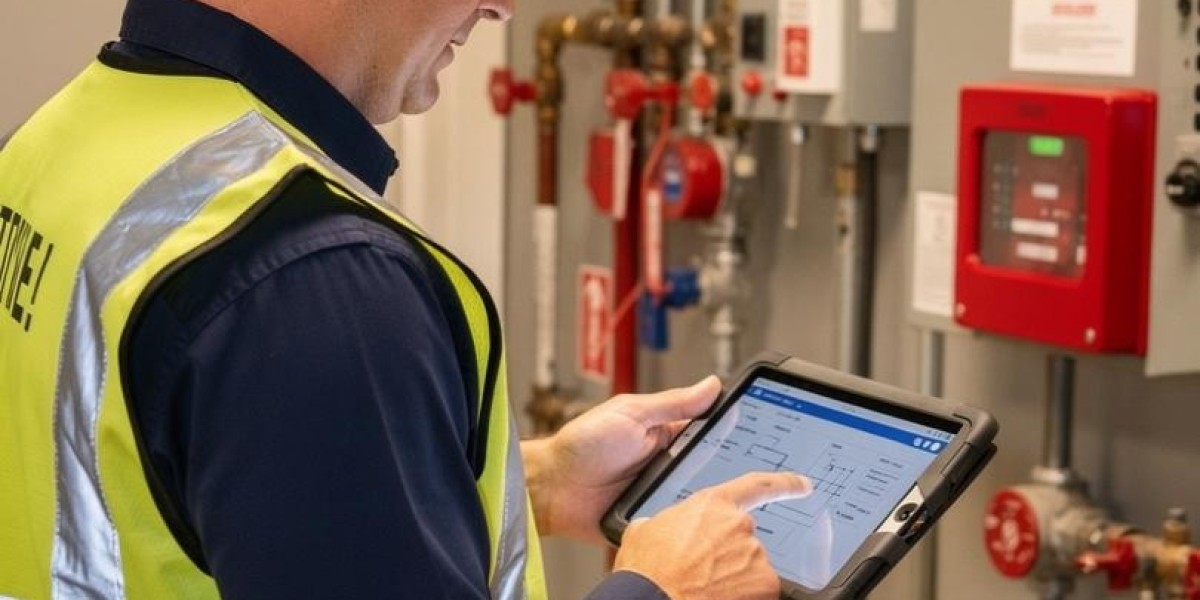

Handover day is treated like the finish line, but passive firestopping UAE buildings rely on doesn't stop needing attention once the keys change hands. Every renovation, every new cable run, and every tenant fit-out afterward is a fresh opportunity to compromise a system nobody's watching anymore.
Why the Risk Doesn't End at Handover
A firestop system installed correctly during construction can still fail years later, not because the original work was flawed, but because someone drilled through it for a new data cable and never called anyone to reseal it. Facilities teams change, original project documentation gets lost in a server migration, and the people who understood why a specific wall was fire-rated often aren't the ones managing the building five years on. This is where a gap between design intent and ongoing reality tends to open up. It's a slow drift rather than a single failure, which is exactly why it's so easy to miss until a formal re-inspection or, worse, an actual incident forces the question.
Common Ways Firestopping Degrades Over Time
The failures that show up during a re-inspection tend to follow familiar patterns.
• New cabling or piping added through a rated wall without resealing to the original tested system
• Firestop materials removed during renovation and never reinstated before finishes went back up
• Fire doors with damaged or missing intumescent seals, often after routine maintenance that didn't account for fire rating
• Undocumented changes where nobody can confirm which tested system, if any, was used to reseal a penetration
How Fire Safety Advisory and Consulting Fits Into Building Operations
Fire safety advisory and consulting isn't only relevant during design and construction. Ongoing advisory support helps building owners keep compartmentation intact across the operational life of a property, not just at the point of original handover. This can mean periodic re-inspection programmes, reviewing renovation plans before work starts to flag any rated wall penetrations, and maintaining a live record of engineering judgments and firestop system data so future contractors aren't guessing. For portfolio owners managing several buildings at once, this kind of advisory relationship also creates consistency across properties, since the same standards and documentation approach get applied everywhere rather than varying by whichever contractor happened to do the last renovation.
Practical Steps for Facilities and Asset Managers
A few consistent habits go a long way toward protecting the original investment in passive fire protection.
• Require any contractor working near a rated wall or floor to submit a firestop reinstatement plan before starting work
• Keep the original firestop and passive fire inspection records accessible to facilities staff, not archived and forgotten
• Schedule periodic re-inspections, particularly after any major tenant turnover or renovation
• Assign clear ownership internally for who signs off on penetrations through rated assemblies
The Cost Difference Between Reactive and Proactive Care
Fixing a compromised firestop discovered during a scheduled review is a straightforward job, usually a resealed penetration and an updated record. Discovering the same gap during an insurance claim investigation after a fire, or during a tenant complaint about smoke smell travelling between units, is a different situation entirely. The cost isn't just the physical repair; it's the liability exposure, the potential business interruption, and in the worst cases, the safety consequence that a properly maintained compartmentation strategy was designed specifically to prevent. Viewed that way, a modest recurring inspection budget is one of the cheaper line items in a building's operating costs.
Conclusion
Passive firestopping UAE codes require during construction only holds its value if it's maintained after handover, and that takes ongoing attention, not a one-time inspection certificate filed away and forgotten. Bringing in fire safety advisory and consulting support for periodic reviews is a modest cost compared to discovering a compromised firestop during an actual fire event, and it's a fraction of the cost of remediating an entire building's compartmentation after a serious incident has already exposed the gaps. If your building's original firestop records haven't been reviewed since handover, that's a reasonable place to start.
FAQs
1. How often should firestopping be re-inspected after handover?
There's no single fixed rule, but many facilities teams schedule reviews every few years, or immediately after any renovation, tenant change, or major cabling upgrade that involves rated walls.
2. Who is responsible for resealing a firestop after a tenant fit-out?
Although this should be clearly stated in the fit-out agreement, it is usually the responsibility of the particular contractor that has made the penetration to ensure that it has been done properly.
3. What should I do if I can't find the original firestop documentation for my building?
A fire safety advisory and consulting firm can typically perform a condition survey to establish current compartmentation status, even without complete original records, though it takes more time than working from existing documentation.
4. Does insurance ever require ongoing firestop maintenance records?
There are some insurance companies that ask for verification of maintenance work on the passive fire protection as part of their risk assessment requirements.