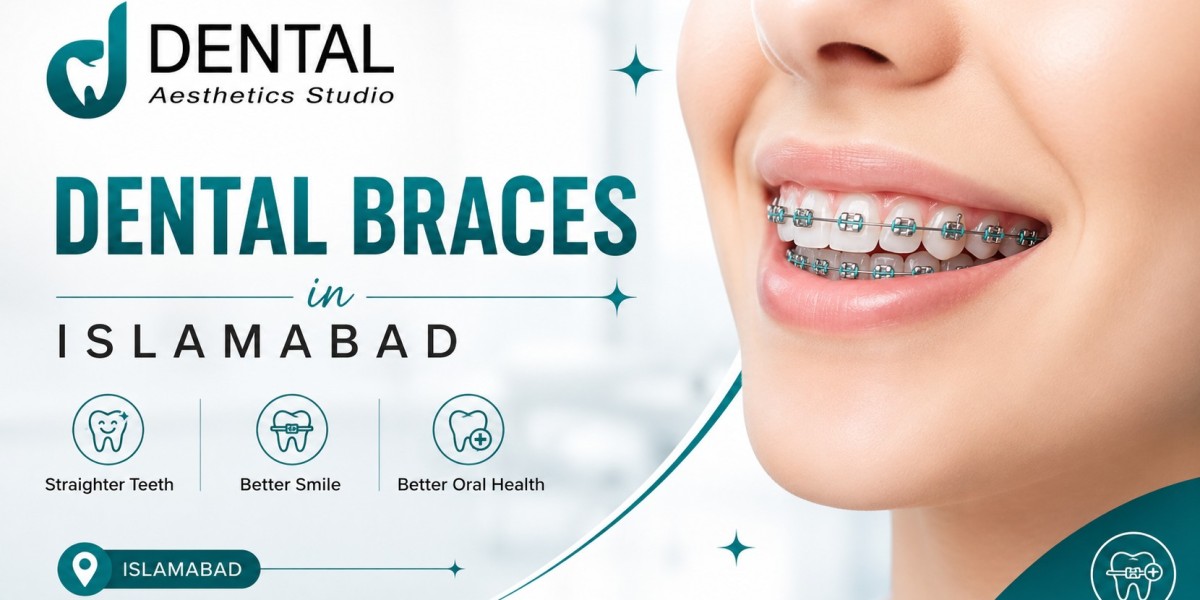

Dental braces are widely known for straightening teeth and improving smiles, but many people also wonder whether braces can change the shape of their face. The answer is yes—but only in certain situations. Braces can influence facial appearance by improving the alignment of the teeth and jaws, especially if bite problems or severe crowding are present. However, braces do not dramatically alter your facial structure or bone shape on their own.
The extent of facial changes depends on factors such as your age, the severity of your orthodontic issue, and the type of treatment you receive.
How Do Braces Affect Face Shape?
Braces work by applying gentle, continuous pressure to move teeth into their ideal positions. As the teeth shift, your bite and the way your lips and cheeks are supported can also change. These adjustments may create a more balanced and harmonious facial appearance.
In younger patients whose jaws are still developing, orthodontic treatment may have a greater impact on facial growth. In adults, changes are generally more subtle because the facial bones have fully matured.
Ways Braces Can Change Facial Appearance
1. Improve Smile Symmetry
Crooked or crowded teeth can make the smile appear uneven. Braces align the teeth, creating a more symmetrical smile that enhances overall facial aesthetics.
2. Enhance Lip Support
Teeth provide support for the lips. When protruding or misaligned teeth are corrected, the lips may appear more balanced and natural.
For example:
- Protruding front teeth may cause the lips to stick out.
- Correcting their position can create a flatter, more harmonious facial profile.
3. Improve Jaw Alignment
Braces can correct bite problems such as:
- Overbite
- Underbite
- Crossbite
- Open bite
Improving jaw alignment can make the lower face appear more proportionate and reduce strain on the jaw muscles.
4. Define the Jawline
When bite alignment improves, the jaw may function more naturally. Some patients notice a slightly more defined jawline, particularly if their bite was significantly misaligned before treatment.
5. Reduce Facial Asymmetry
In some cases, uneven bites contribute to mild facial asymmetry. Orthodontic treatment can improve facial balance by correcting the underlying dental alignment.
Do Braces Change Your Jaw Bone?
Braces move teeth—not facial bones. However, they influence the bone surrounding the teeth through a natural process called bone remodelling.
In growing children and teenagers, orthodontic appliances may guide jaw development. In adults, braces alone cannot significantly reshape the jawbone.
For severe jaw misalignment, orthodontic treatment may be combined with orthognathic (jaw) surgery to achieve major facial changes.
Does Tooth Extraction Affect Face Shape?
Some orthodontic treatments involve removing one or more teeth to create space.
Many patients worry that extractions will make their face look sunken. In most cases, this does not happen when treatment is properly planned. Instead, extractions can help achieve:
- Better bite alignment
- Improved facial balance
- Reduced lip protrusion
- A more harmonious profile
Experienced orthodontists carefully evaluate facial aesthetics before recommending extractions.
Will Braces Make My Face Look Slimmer?
Some people notice their face appears slightly slimmer after braces, but this is usually due to:
- Improved tooth alignment
- Better jaw position
- Reduced protrusion of the teeth
- Temporary changes in chewing muscles during treatment
Braces themselves do not remove facial fat or significantly change facial width.
Can Braces Make Your Face Wider?
Braces generally do not make the face wider. However, certain orthodontic treatments that expand the upper jaw—such as palatal expanders used in children—can improve facial balance by creating more space for the teeth.
These treatments are most effective while the jaw is still growing.
Do Braces Affect the Cheeks?
As teeth move into better positions, the cheeks may appear slightly different due to improved support from the dental arches.
Patients with severe crowding may notice fuller cheek support after treatment, while those with protruding teeth may see a more balanced facial profile.
These changes are usually subtle rather than dramatic.
Can Braces Change Your Nose?
No. Braces do not change the size or shape of your nose.
However, improvements in the alignment of the lips and jaw can make facial proportions look different, which may create the impression that the nose has changed even though it has not.
Are Facial Changes Permanent?
The improvements achieved with braces are generally long-lasting if you wear your retainer as instructed after treatment.
Retainers help prevent teeth from shifting back, preserving both your smile and the facial improvements gained during orthodontic treatment.
Factors That Influence Facial Changes
Several factors determine how much your face may change with braces:
- Age
- Severity of misalignment
- Type of bite problem
- Whether teeth are extracted
- Growth and development
- Compliance with orthodontic instructions
Every patient experiences different results.
Benefits Beyond Appearance
Although facial improvements are a welcome bonus, braces primarily improve oral health and function.
Benefits include:
- Straighter teeth
- Better bite alignment
- Easier brushing and flossing
- Reduced risk of tooth decay and gum disease
- Improved chewing efficiency
- Better speech in some cases
- Increased confidence
When Should You See an Orthodontist?
If you have concerns about your bite, crooked teeth, or facial profile, an orthodontic consultation can help determine the most suitable treatment.
The orthodontist will evaluate:
- Tooth alignment
- Jaw position
- Facial symmetry
- Bite function
- Overall oral health
Based on this assessment, they can explain the expected changes in your smile and facial appearance.
Conclusion
Braces can affect face shape by improving tooth alignment, bite function, and the support provided to the lips and cheeks. While they do not dramatically reshape facial bones, they can create a more balanced profile, improve smile symmetry, and enhance overall facial harmony. The extent of these changes depends on the individual's age, dental condition, and treatment plan.
If you're considering braces, consult an experienced orthodontist to understand how treatment may improve both your oral health and your facial aesthetics.