
Introduction
If your dentist just told you that you need a root canal, chances are your stomach dropped a little. It's one of those procedures with a reputation, and not a great one. But here's the thing, most of what people believe about root canals is outdated or just plain wrong. The procedure of Root Canal Treatment itself isn't the painful nightmare it's made out to be. Actually, it's usually the thing that gets you out of pain, not the cause of it.
Let's walk through what a root canal actually is, why you might need one, and what to expect if you're sitting in that dentist's chair soon.
What Is a Root Canal, Really?
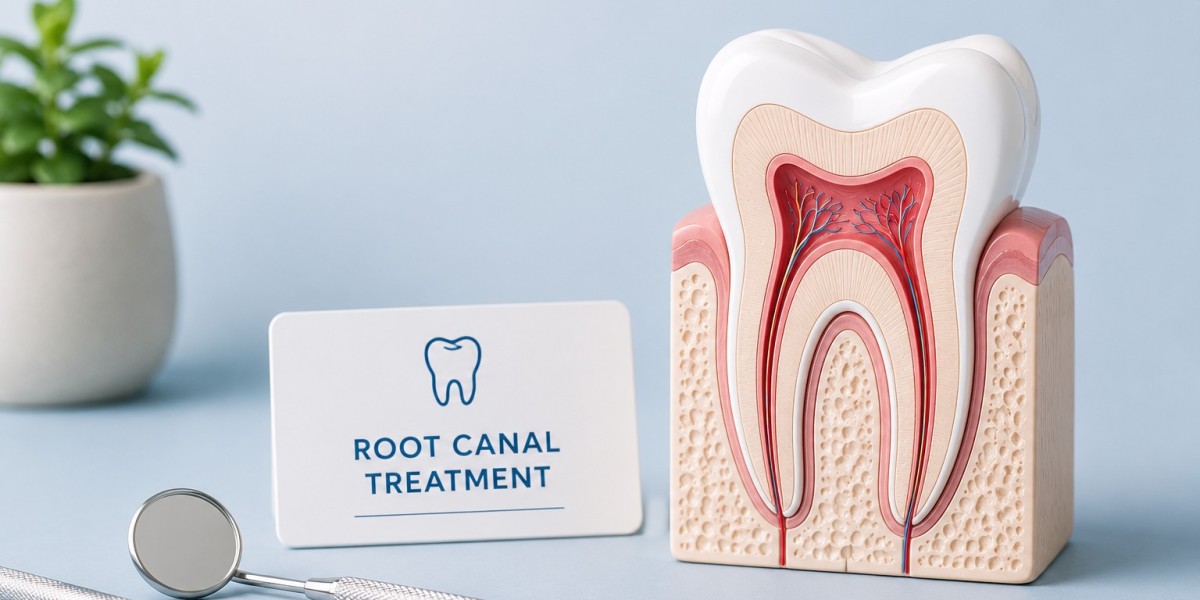
Inside every tooth, under the enamel and dentin, there's a soft area called the pulp. It's full of nerves and blood vessels, and it's what keeps your tooth "alive." When that pulp gets infected or inflamed, usually from deep decay, a crack, or repeated dental work, it can cause serious pain and even lead to an abscess if left alone.
A root canal is the treatment that removes that damaged pulp, cleans out the inside of the tooth, and seals it back up. The goal is simple: save your natural tooth instead of pulling it out.
Signs You Might Need One
A toothache that won't quit, especially when chewing or applying pressure
Sensitivity to hot or cold that lingers way longer than it should
Swelling or tenderness in the gums near a specific tooth
A tooth that's darkened or discolored
A small bump on the gum that looks like a pimple
If any of this sounds familiar, it's worth getting checked out sooner rather than later. Ignoring it usually makes things worse, not better.
What Actually Happens During the Procedure
Here's where most people get surprised. The procedure itself is done under local anesthesia, so you shouldn't feel pain during it, just some pressure here and there.
The dentist numbs the area completely before starting anything.
A small opening is made in the top of the tooth to reach the pulp.
The infected or damaged pulp is carefully removed.
The inside of the tooth is cleaned and shaped.
It's filled with a rubber-like material to seal it off.
Most teeth need a crown afterward to protect what's left of the natural structure.
Depending on the tooth, this can take one visit or two, usually about 60 to 90 minutes each time.
Recovery: What to Expect Afterward
Recovery is honestly pretty mild for most people. Some soreness or sensitivity for a few days is normal, and over-the-counter pain relievers usually handle it just fine. A few tips that help:
Stick to softer foods for a day or two
Avoid chewing directly on the treated tooth until it's fully restored
Keep up with your normal brushing and flossing routine
Follow up for your permanent crown if one is needed
Most people are back to their regular routine within a day or two.
Why Saving the Tooth Matters
It might seem easier to just pull the tooth and be done with it, but keeping your natural tooth usually works out better in the long run. It keeps your bite aligned, avoids the extra cost and hassle of implants or bridges, and prevents nearby teeth from shifting out of place. A root canal isn't just about fixing pain, it's about keeping your mouth working the way it's supposed to.
Conclusion
Root canals get a bad reputation they honestly don't deserve anymore. Thanks to better tools and techniques, the procedure today is far more comfortable than the horror stories floating around. If your dentist recommends one, try not to panic, it's usually the fastest way to get rid of the pain you're already dealing with, not the start of new pain. Ask questions, understand your options, and trust that this is a routine procedure dentists perform every single day.
FAQs
Does a root canal really hurt?
Not during the procedure itself, since the area is numbed. Some soreness afterward is normal, but it's manageable with regular pain relief.
How long does a root canal take?
Usually 60 to 90 minutes, though some cases need a second visit depending on the tooth.
Can I just get the tooth pulled instead?
You can, but keeping your natural tooth is almost always better for your bite and long-term dental health.
Will I need a crown after treatment?
Most of the time, yes, especially for back teeth that handle a lot of chewing pressure.
How long does recovery take?
Most people feel back to normal within a couple of days, with only mild soreness in between.