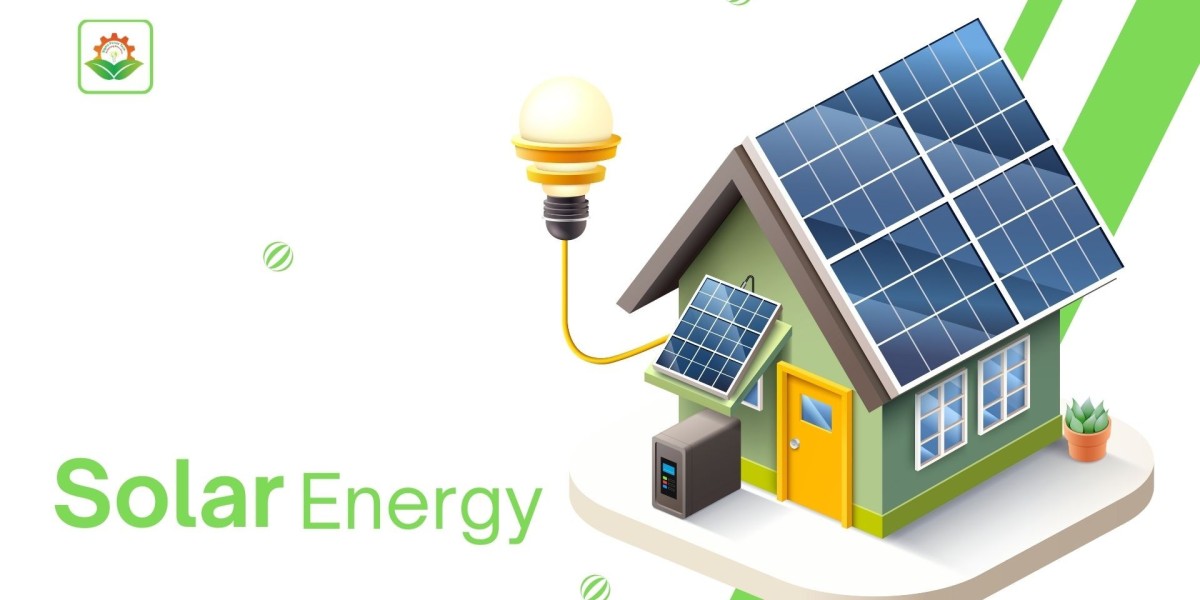

A residential housing society preparing its annual infrastructure budget recently evaluated several proposals for installing rooftop solar. Although every supplier quoted a different price, engineers quickly realized that comparing costs alone did not provide the complete picture. System capacity, panel efficiency, inverter quality, structural requirements, and maintenance commitments all influenced long-term value. For anyone planning a solar system for home, understanding what drives project costs is just as important as understanding the technology itself.
With electricity tariffs continuing to rise, homeowners, commercial property owners, hospitals, industries, and educational institutions are investing in renewable energy to reduce operating expenses and improve energy independence. A solar system for home offers long-term financial and environmental benefits, but selecting the right solution requires evaluating engineering quality, lifecycle performance, and installation standards rather than focusing only on the initial investment.
Understanding a Solar System for Home
A solar system converts sunlight into usable electricity through photovoltaic (PV) modules. These panels generate direct current (DC), which is converted into alternating current (AC) by an inverter before being supplied to household electrical circuits.
A complete installation also includes mounting structures, electrical protection devices, monitoring software, and optional battery storage. When professionally designed, these systems can operate efficiently for more than 25 years while significantly reducing dependence on conventional electricity.
How a Solar System for Home Generates Power
A professionally designed solar system for home includes:
Photovoltaic solar panels
String or hybrid inverter
Mounting framework
DC and AC protection equipment
Earthing and lightning protection
Smart monitoring platform
Optional battery storage
Every component contributes to system efficiency, operational safety, and long-term reliability.
Types of Solar Panels and System Configurations
The choice of panel technology directly affects performance.
Monocrystalline panels provide excellent efficiency and are ideal where roof space is limited.
Polycrystalline panels offer reliable performance for residential and commercial installations with balanced investment requirements.
Thin-film panels remain suitable for specialized applications requiring lightweight construction or architectural flexibility.
A rooftop solar system can be configured as:
On-grid, connected to the utility network with net metering capability.
Off-grid, operating independently using battery storage.
Hybrid, combining battery backup with grid connectivity for greater operational flexibility.
Proper inverter sizing and load assessment ensure that each configuration operates efficiently under varying demand conditions.
What Influences Solar Panel System Cost?
The total solar panel system cost depends on several engineering and operational factors rather than a single equipment price.
Key considerations include:
Available rooftop or installation area
Daily electricity consumption
Selected panel technology
Inverter capacity and manufacturer
Battery storage requirements
Structural modifications
Installation and commissioning complexity
Grid connection and net metering
Monitoring platform features
Future scalability
Compliance documentation
Expected system lifespan
Instead of comparing only solar system for home price, buyers should assess lifecycle value, projected energy generation, maintenance requirements, and operational reliability.
Features That Improve Long-Term Value
Modern solar engineering incorporates technologies that enhance efficiency while simplifying operation.
Important features include:
High-efficiency photovoltaic modules
Scalable architecture
Intelligent inverter management
Real-time energy generation tracking
Mobile app monitoring
Remote system access
Grid synchronization capability
Predictive maintenance support
User-friendly monitoring dashboard
Low maintenance requirements
Weather-resistant equipment
Modular inverter and panel design
Reliable operation exceeding 25 years
Continuous monitoring enables homeowners to optimize performance and quickly identify any reduction in energy generation.
Applications Across Multiple Industries
Although residential installations continue to grow rapidly, solar technology supports numerous sectors.
Typical applications include:
Residential rooftop installations
Apartment complexes
Commercial office buildings
Hospitals and healthcare centres
Manufacturing plants
Shopping malls
Educational campuses
Hotels and hospitality facilities
Government buildings
Agricultural irrigation systems
Warehouses and logistics parks
Smart city infrastructure
Every solar system project should be engineered according to available space, electrical demand, and future operational requirements.
Buyer's Guide: Choosing the Right Installation Partner
The quality of installation significantly influences long-term performance.
Before selecting a provider, buyers should evaluate:
Industry experience
Successfully completed projects
Solar EPC engineering capability
Manufacturing and installation expertise
Product testing and quality validation
Compliance with MNRE and BIS standards
Panel and inverter warranties
Product customization capability
Technical documentation
Installation and commissioning assistance
Availability of solar panel maintenance services
Annual maintenance contracts
Long-term technical support
Engineering-focused providers, including those offering a Sigma Power Tech solar panel system, generally prioritize complete project design, quality installation, and long-term operational reliability.
Common Mistakes That Increase Lifetime Costs
Several avoidable decisions reduce energy production and increase ownership costs.
Common mistakes include:
Skipping professional site assessments
Ignoring roof orientation and shading
Selecting equipment solely on purchase price
Underestimating future electricity demand
Choosing incompatible inverter-panel combinations
Neglecting grounding and surge protection
Ignoring net metering approvals
Delaying preventive maintenance
Failing to define realistic energy-saving goals
Not understanding system monitoring after commissioning
Selecting the appropriate solar system model through professional engineering analysis significantly improves long-term return on investment.
Conclusion
Understanding solar system for home pricing involves much more than comparing quotations. While solar system for home price and solar panel system cost remain important considerations, the true value of a solar installation depends on engineering quality, equipment reliability, installation standards, monitoring capability, and long-term maintenance planning.
Whether the project involves a single residence, residential community, commercial property, or industrial facility, a professionally engineered solar system for home provides dependable electricity generation, lower operating costs, and greater energy independence for decades. Careful planning, quality components, and expert installation ensure that solar energy continues to deliver financial savings while supporting a cleaner, more sustainable energy future.








