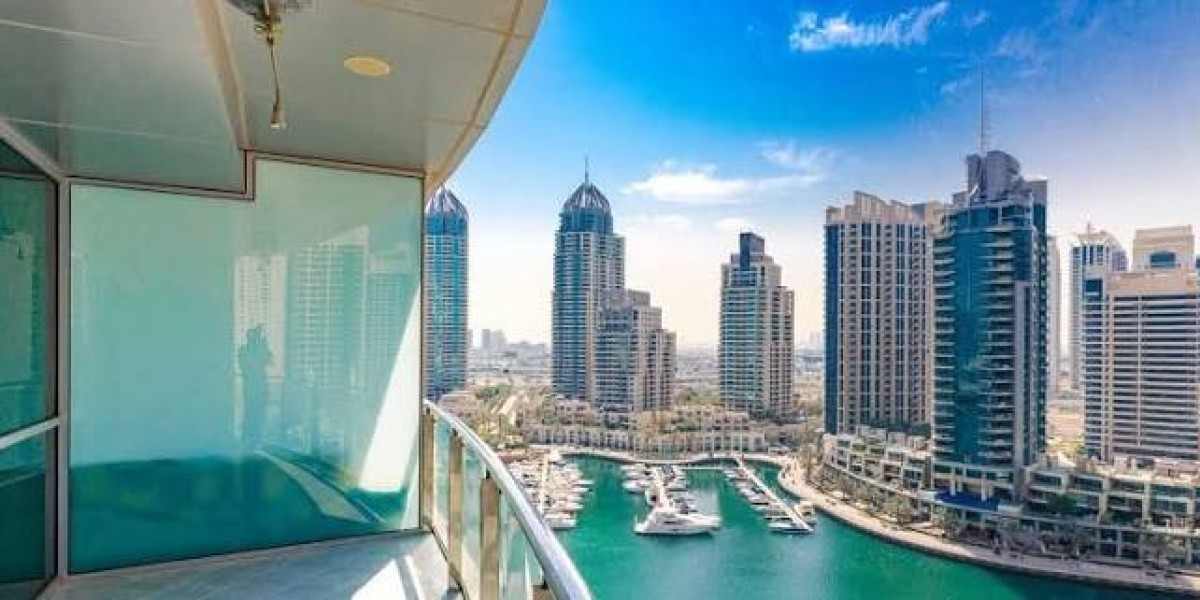

Renting an apartment in Dubai is easier than most newcomers expect, but the process has its own rules. From RERA regulations to Ejari registration, this guide walks you through every step in plain, simple language, based on how the local rental market actually works today.
Understanding the Dubai Rental Market
Dubai's rental market runs on clear regulations. The Real Estate Regulatory Agency (RERA) sets the rules that protect both tenants and landlords, so the process feels more structured than in many other cities.
Freehold vs Non-Freehold Areas
Some areas in Dubai allow foreigners to buy property outright (freehold), while others are reserved for UAE and GCC nationals. This mostly affects buyers, but it also shapes where rental supply is highest. Areas like Dubai Marina, Downtown Dubai, and Business Bay are freehold zones with large rental inventories.
Furnished, Unfurnished, or Serviced
You will find three main options:
Unfurnished – bare walls, no appliances, lowest rent
Furnished – ready to move in, higher deposit
Serviced apartments – hotel-style living with housekeeping, best for short stays
Who Can Rent an Apartment in Dubai
You do not need to be a UAE citizen to rent here. Most landlords accept tenants with a valid UAE residence visa, though some will also consider tenants who are in the process of applying for one. If you're relocating for work, check whether your employer offers relocation support before you start your own search.
Documents You Will Need
Passport copy
UAE visa copy (or entry permit if new to the country)
Emirates ID, or proof it is being processed
Salary certificate (sometimes requested by landlords or agents)
Step-by-Step Rental Process in Dubai
Set a Realistic Budget
Rent in Dubai is usually quoted as an annual amount. Factor in the security deposit, agency commission, and Ejari fees, not just the headline rent figure.
Search Verified Listings
Always search through property listings rather than random social media posts. Verified listings reduce the risk of scams and give you accurate, up-to-date pricing. This is especially important if you're also comparing options like Verified Commercial Property in Dubai for a home office or small business alongside your residential search.
View the Property in Person
Photos rarely tell the full story. Visit the unit, check water pressure, test the AC, and ask about chiller charges before you commit.
Questions to Ask During a Viewing
Is DEWA connected and working?
Are chiller fees included in the rent?
What is the building's maintenance policy?
How many cheques does the landlord accept?
Negotiate the Terms
Rent, cheque numbers, and the move-in date are all negotiable. Check the RERA rental index online to confirm the asking price matches the market rate for that building.
Sign the Tenancy Contract
The standard Ejari-format contract protects both parties. Read every clause carefully, especially those covering maintenance duties and early termination penalties.
Register With Ejari
Ejari is Dubai's mandatory tenancy registration system. Your agent can register it for you, or you can do it yourself through the Dubai REST app. This step is required before you can activate your DEWA account.
Pay the Deposit and Cheques
Security deposits are typically 5% of annual rent for unfurnished units and 10% for furnished ones. Post-dated cheques remain the standard payment method, so make sure your bank account can cover each one on time.
Connect DEWA and Move In
Once Ejari is registered, apply for your DEWA account for electricity, water, and cooling. Take photos of the apartment's condition on move-in day to protect your deposit later.
Costs Involved When Renting in Dubai
Cost Item | Typical Amount |
Security deposit | 5–10% of annual rent |
Agency commission | 5% of annual rent |
Ejari registration | AED 220 approx. |
DEWA deposit | AED 2,000–4,000 |
Tenant Rights and Rental Laws
RERA's rental index caps how much a landlord can raise your rent at renewal. If a dispute arises, the Rental Dispute Settlement Centre handles it. Knowing these protections in advance gives you confidence and negotiating power as a tenant.
Common Mistakes First-Time Renters Make
Skipping Ejari registration
Ignoring chiller fee terms in the contract
Relying on unverified listings instead of verified property listings
Signing without checking the RERA rental index
Overlooking early termination penalties
Renewing or Ending Your Lease
Landlords must give proper notice before increasing rent or asking you to vacate. Always request your deposit refund in writing and complete a move-out inspection to avoid unnecessary deductions.
Frequently Asked Questions
How much deposit do I need to rent an apartment in Dubai?
Most landlords ask for 5% of the annual rent for unfurnished apartments and 10% for furnished ones.
Can I rent an apartment in Dubai without a UAE visa?
Yes, though it's easier with one. Many landlords accept tenants who are actively applying for residency.
How long does Ejari registration take?
Ejari registration usually takes less than a day when done through the Dubai REST app or an approved typing center.
Can I pay rent monthly in Dubai?
Some landlords now accept monthly or quarterly cheques, though annual payment in 1–4 cheques is still the norm.
Is it safer to search through verified property listings?
Yes. Verified property listings, including options like Property in Dubai for business needs, reduce your risk of rental scams and give accurate pricing information.
Final Thoughts
Renting in Dubai comes down to preparation: know your budget, use verified sources, register your Ejari, and read your contract closely. Follow these steps and you'll move into your new apartment with confidence and full legal protection.