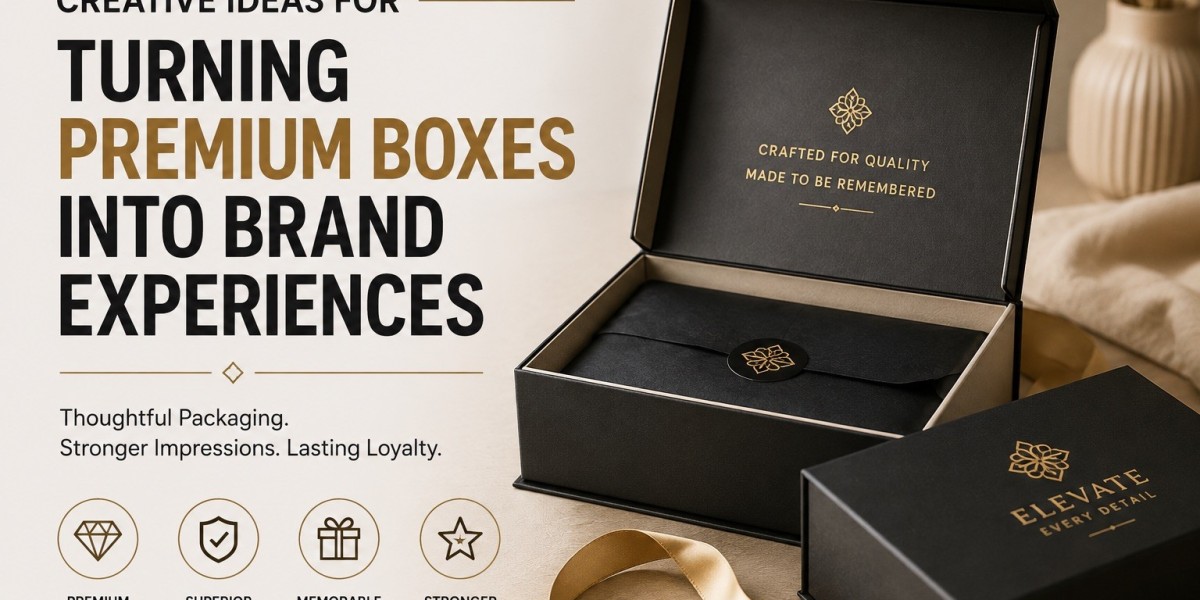

Packaging can do much more than protect a product. For modern brands, it can become part of the story customers remember. A carefully designed box can create excitement, communicate quality and make an ordinary purchase feel more special.
This matters even more for premium products. Customers often expect the packaging to match the quality of what is inside. When the box feels thoughtful and well made, it can strengthen the first impression and add value to the whole buying experience.
The good news is that creating a memorable package does not always require complicated ideas. Small details, when planned carefully, can make a big difference.
Start With the Customer Experience
Before choosing colours, materials or finishes, think about what the customer should feel when receiving the product.
Should the experience feel luxurious, exciting, calm or personal? The answer should guide the design.
For example, a skincare brand may want its packaging to feel clean and elegant. A jewellery company might focus on exclusivity and anticipation. A gift business could make the opening experience warm and personal.
Starting with the desired emotion helps prevent random design choices.
Make the Opening Moment Special
The opening experience is one of the easiest ways to turn packaging into a brand experience.
Customers should be able to open the box without struggling. Once opened, the product should be presented neatly rather than hidden under unnecessary layers.
Simple details can create a stronger moment, such as:
A short welcome message
A printed message inside the lid
A neatly fitted product insert
A small thank-you card
A carefully arranged product
The aim is to make the customer feel that the package was prepared with care.
Use Design to Tell a Story
Every brand has a story, even if it is a simple one. Packaging can communicate that story through visual details.
A natural skincare company could use botanical illustrations and soft earthy tones. A fashion label might use bold typography and a distinctive colour scheme. A technology company could choose a clean and minimal appearance.
The design should feel connected to the product rather than simply following current trends.
When customers can recognise the brand without seeing the logo, the visual identity is doing its job.
Give the Box a Distinctive Structure
The physical shape of packaging can make a product feel different from competing products. A unique opening style, layered interior or unusual lid can create curiosity.
However, creativity should never make the package difficult to use. A complicated structure may look impressive in photographs but frustrate customers in real life.
Businesses should test new structures with actual users. Watch how easily they open the box and how quickly they understand where the product is placed.
Practical creativity is usually more valuable than decoration without purpose.
Focus on Material Quality
Materials influence how packaging feels in the customer's hands. Weight, texture and stiffness can all affect perceptions of quality.
A sturdy box can immediately feel more substantial than thin packaging. Textured surfaces can add a tactile element, while smooth finishes may create a modern appearance.
Custom rigid box packaging can help brands create a strong presentation when durability and premium appearance are important. The structure can be planned around the product, allowing businesses to consider both protection and the way the customer interacts with the package.
Material choices should always match the product and brand positioning rather than being selected simply because they look expensive.
Create a Strong Visual Contrast
Colour can be used to guide attention inside the package.
For example, a dark exterior with a lighter interior can create a noticeable change when the box is opened. A bold brand colour can also make small details, such as a logo or message, easier to recognise.
Contrast does not have to mean using bright colours. Different textures, shades and finishes can create visual interest while maintaining a sophisticated appearance.
The important thing is to keep the overall design balanced.
Use Inserts With a Purpose
Inserts can do more than keep products in place. They can also make the opening experience feel more organised.
A well-designed insert can hold a bottle, jewellery item, cosmetic product or accessory securely while creating a neat presentation.
Businesses can also use inserts to separate multiple products within one package. This makes the customer journey easier because every item has its own place.
Avoid oversized inserts or unnecessary layers. Every part of the interior should have a clear purpose.
Add Personal Touches
Personalisation can make customers feel that they are receiving more than a standard product.
A printed name, short message or occasion-specific detail can create a stronger emotional connection. Even when full individual personalisation is not practical, brands can use messages that feel warm and human.
For example, a small card saying “Thank you for choosing us” may seem simple, but it can make the experience feel more thoughtful.
The message should sound natural and fit the brand's voice.
Make Premium Packaging Shareable
Social media has made packaging an important part of product photography. Customers may photograph the box before they even use the product.
Brands can encourage this naturally by creating visually appealing opening moments.
Think about how the box will look when photographed from above or at an angle. Make sure the logo is easy to see, the product sits neatly and the colours work well together.
There is no need to add large social media messages everywhere. A beautiful experience can encourage sharing without forcing it.
Use Luxury Details Carefully
Premium packaging can include details such as foil stamping, embossing, debossing, textured finishes or magnetic closures.
These features can create a high-end feel when used in moderation.
Luxury Rigid Boxes are often associated with premium products because their strong construction and refined presentation can support a more exclusive customer experience.
However, adding every available finish can make packaging look crowded. One or two well-selected details may create a stronger result than using several effects at once.
Think About Sustainability
A premium experience does not have to mean excessive packaging.
Customers are increasingly interested in how brands manage materials and waste. Businesses can respond by choosing efficient structures, recyclable materials and packaging that can be reused where appropriate.
Reducing unnecessary layers can also improve the customer experience. Nobody wants to spend several minutes removing excessive wrapping just to reach a product.
The best approach is to make every packaging component useful.
Test the Complete Experience
A packaging design may look excellent on a computer screen but perform differently in real life.
Before placing a large production order, test the complete customer journey.
Ask someone unfamiliar with the product to open the box. Watch where they hesitate. Check whether the product is easy to remove and whether the packaging remains attractive after handling.
Also test transportation. A premium box should arrive looking as good as it did when it left the warehouse.
Real-world testing helps identify problems before they become expensive.
Avoid Making Packaging Too Complicated
One of the most common mistakes is confusing luxury with complexity.
A box with too many messages, layers, colours and decorative features can become overwhelming. Customers may struggle to understand what to do first or where the product is located.
Strong premium design usually has a clear hierarchy. The brand, product and important details should be easy to understand.
When in doubt, remove something rather than adding another element.
Build Consistency Across Products
A strong packaging experience should not stop with one product.
If a brand sells several items, customers should notice a connection between them. Similar colours, typography, finishes or structural details can create a consistent family of packaging.
This helps strengthen recognition and makes the brand appear more established.
Consistency does not mean every box must look identical. Different products can have their own character while still sharing important visual elements.
Final Thoughts
Premium packaging can become a powerful part of the brand experience when design, function and emotion work together. The strongest ideas are not necessarily the most complicated. They are the ones that make customers feel that the product has been presented with genuine care.
From thoughtful opening experiences to useful inserts, distinctive structures and carefully selected finishes, every detail can contribute to the way customers remember a brand.
When packaging protects the product, communicates its identity and creates a satisfying moment of discovery, it becomes much more than a box. It becomes part of the product experience itself.