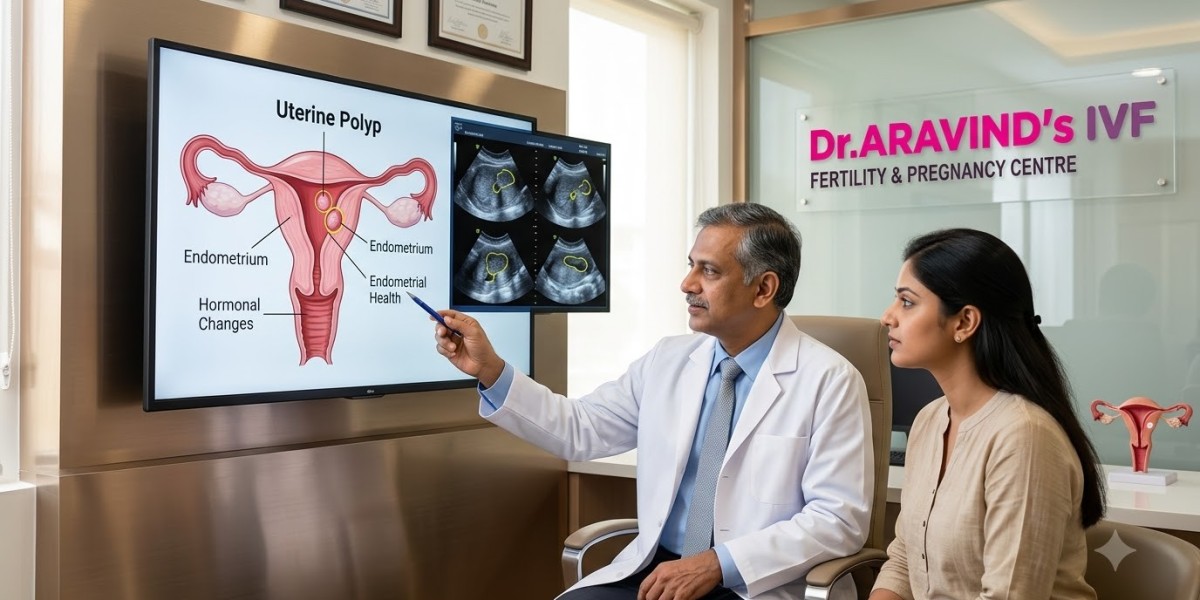

Uterine polyps are a common gynecological finding, often discovered during routine scans or fertility evaluations, and understanding uterine polyps causes can help you make sense of a diagnosis that might otherwise feel confusing. These growths form in the uterine lining and, while frequently harmless, can sometimes affect menstrual patterns or fertility depending on their size and location.
What Uterine Polyps Actually Are
Polyps develop when cells in the endometrium, the tissue lining the uterus, grow in excess and form small, often benign masses attached to the uterine wall. They range in size from a few millimeters to several centimeters and can occur singly or in clusters. While many polyps cause no symptoms at all and are found incidentally during an unrelated scan, others lead to irregular bleeding, spotting between periods, or in some cases, difficulty conceiving.
Hormonal Imbalance and Estrogen's Role
One of the primary drivers behind polyp formation is prolonged exposure to estrogen without adequate balancing from progesterone. Estrogen stimulates growth of the uterine lining, and when this signal remains unopposed over extended periods, tissue can overgrow into these small, localized masses. This is why polyps are frequently associated with hormonal conditions involving irregular ovulation, where progesterone levels don't rise consistently to counterbalance estrogen's growth-promoting effect.
Obesity and Increased Polyp Risk
Excess body fat contributes to higher circulating estrogen levels, since fat tissue itself produces additional estrogen beyond what the ovaries generate. This creates a hormonal environment more prone to endometrial overgrowth, increasing the likelihood of polyp development over time. Maintaining a healthy weight range doesn't eliminate risk entirely, but it does help reduce one significant contributing factor within a person's control.
Age as a Contributing Factor
Polyps become increasingly common as women approach and move through perimenopause, a period marked by fluctuating and often unpredictable hormone levels. During this transition, cycles frequently lack regular ovulation, leading to extended estrogen exposure without the balancing effect progesterone normally provides. This explains why polyp diagnosis rates tend to rise notably in women in their forties and fifties compared to younger age groups.
Additional Factors Worth Understanding
Beyond hormones, obesity, and age, several other factors have been associated with increased polyp risk, including high blood pressure, certain medications like tamoxifen used in breast cancer treatment, and chronic low-grade inflammation within the uterine lining. Genetic predisposition may also play a role, since polyps sometimes appear more frequently within certain families. Identifying which factors apply to your specific situation helps guide both treatment and any relevant lifestyle adjustments.
Why This Matters for Fertility Treatment
Polyps located near the uterine cavity can sometimes interfere with embryo implantation, making their identification particularly relevant for patients pursuing fertility treatment. Many specialists recommend addressing significant polyps before proceeding with procedures like embryo transfer, since removing obstacles within the uterine environment can meaningfully improve success rates. This is a routine consideration at facilities like the Best IVF Centre in Kozhikode, where thorough evaluation typically precedes any treatment planning.
Getting an Accurate Diagnosis
Polyps are typically identified through ultrasound imaging or a more detailed procedure called hysteroscopy, which allows direct visualization of the uterine cavity. This evaluation determines size, location, and whether removal is recommended before pursuing pregnancy or fertility treatment. A thorough diagnostic approach ensures decisions are based on clear findings rather than assumptions.
Finding the Right Care for Diagnosis and Treatment
Given how closely polyps relate to hormonal health and fertility, working with a knowledgeable team matters considerably. A well-regarded Fertility Clinic in Kerala typically combines gynecological expertise with fertility-specific evaluation, ensuring polyps are assessed not just for general health but for how they might affect conception efforts specifically.
Moving Forward With Clarity
Understanding what contributes to polyp formation helps demystify a diagnosis that can otherwise feel unexpected or alarming. With proper evaluation and, when necessary, straightforward treatment, most polyps are managed effectively without long-term complications, allowing patients to move forward with their broader health or fertility goals.
If you've been diagnosed with uterine polyps or want a thorough evaluation of your reproductive health, schedule an appointment today and get clear answers about what's happening and what comes next.








