
The culinary landscape of the city is shaped by centuries of French, Spanish, African, and Caribbean influences meeting harmoniously in home kitchens and bustling public markets. When travelers seek out ways to connect deeply with this heritage, they often look for immersive learning environments that strip away intimidation and replace it with pure enjoyment and practical skill acquisition. Understanding the foundation of a proper roux or mastering the exact balance of a Creole seasoning blend unlocks an entirely new dimension of appreciation for southern cooking. This direct engagement transforms a standard vacation into a profound cultural journey that stays with participants long after they return home.
Finding the Best cooking classes means searching for environments that blend professional culinary instruction with genuine local hospitality, storytelling, and an unmistakable festive spirit reminiscent of a lively celebration. At premier locations like the Mardi Gras School of Cooking, participants step into vibrant studio spaces located right in the heart of the historic French Quarter where expert chefs guide them through the wonderful art of Louisiana cooking. These sessions are designed to feel less like a rigid academic lecture and much more like joining a joyful gathering of friends who share a profound love for exceptional food and culture. Every class acts as an invitation to celebrate the rich tapestry of southern flavors in an engaging, supportive, and delightfully entertaining setting.
The Cultural Significance of Cajun and Creole Traditions in Modern Gastronomy
To truly understand why Louisiana cuisine captivates the global imagination, one must explore the distinct cultural pillars that built it. Cajun cuisine originated from the Acadian people who were exiled from Canada and settled in the swampy rural regions of southern Louisiana. They adapted their traditional European recipes to the local bounty of the bayous utilizing crawfish, catfish, wild game, and aromatic herbs available in their environment. Their cooking style relies heavily on resourcefulness, hearty preparations, and robust flavors developed through patient simmering. Every Cajun dish tells a story of resilience, adaptation, and deep connection to the natural landscape.
On the other hand, Creole cuisine developed primarily in the urban environment of New Orleans among prosperous European settlers, Spanish nobility, West African cooks, and Caribbean immigrants. Creole cooking leans toward refinement, featuring delicate sauces, rich stocks, complex seasoning blends, and luxurious ingredients like butter and cream. Over generations, these two culinary traditions interacted, merged, and heavily influenced one another, creating a unified gastronomic identity that continues to thrive today. Participating in specialized culinary instruction allows food enthusiasts to explore these distinct roots while gaining an authentic understanding of how history shapes flavor and community bonds.
What to Expect From Professional Culinary Instruction in New Orleans
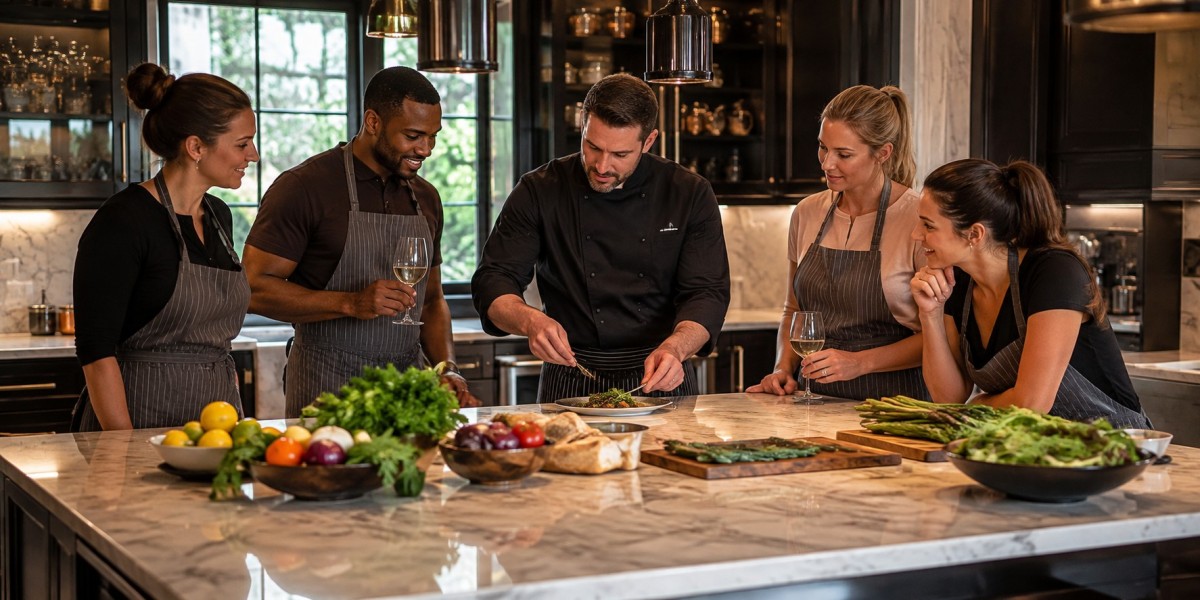
Stepping into a professional kitchen studio in New Orleans offers an experience unlike any ordinary cooking seminar. Guests are immediately greeted with warm southern hospitality, fitted with an apron, and invited to settle in with refreshing beverages as the chef introduces the menu of the day. Every session is designed to be fully interactive, meaning guests do not just sit back and watch someone else cook. Instead, participants chop vegetables, stir simmering pots, manage heat levels, and taste their creations at every single stage of the cooking process, ensuring total engagement and confidence building.
Expert instructors guide students through professional knife skills, proper sanitation practices, and the chemistry behind flavor development. Guests learn how to prep ingredients efficiently, manage multiple kitchen tasks simultaneously, and plate finished dishes with visual appeal. The atmosphere remains lively and engaging, infused with local music, fascinating historical anecdotes, and plenty of laughter. By the time the meal is ready to be enjoyed, participants have formed a tight knit community with their fellow classmates, sharing stories around the table while savoring the incredible feast they created together under the watchful eye of a master chef.
Mastering Essential Techniques Like Roux Preparation and Flavor Building
At the heart of Louisiana cooking lies the holy grail of culinary techniques, which is the roux. A roux is a slow cooked mixture of flour and fat used as a thickening agent for gumbos, étouffées, and soups. Mastering a roux requires patience, constant stirring, and precise heat control. Instructors teach students how to watch the color transform from a pale blonde to a rich peanut butter shade and finally to a deep, dark mahogany without burning. This transformative process unlocks nutty aromas and complex flavors that form the indispensable foundation of authentic Cajun and Creole dishes.
Beyond the roux, students learn the art of flavor building through the combination of aromatic vegetables commonly known as the Holy Trinity. Consisting of yellow onions, celery, and bell peppers, this trifecta provides the aromatic base for almost every savory dish in Louisiana cooking. Chefs demonstrate how to sweat these vegetables properly in oil or butter until they release their natural sugars, building a depth of flavor that elevates simple ingredients into extraordinary culinary masterpieces.
The Holy Trinity and the Holy See of Louisiana Aromatics
At the heart of virtually every soup, stew, etouffee, and jambalaya lies the legendary vegetable base known as the Holy Trinity. Consisting of onions, celery, and green bell peppers cooked together in precise proportions, this combination provides the aromatic background for Louisiana cuisine.
| Component | Standard Ratio | Primary Culinary Role |
| Yellow Onions | 2 Parts | Provides natural sweetness, body, and base depth |
| Celery | 1 Part | Adds herbal notes, freshness, and structural aromatic balance |
| Green Bell Peppers | 1 Part | Delivers sharp, vegetal brightness to offset rich fats |
Exploring Iconic Local Dishes From Gumbo to Pralines
A comprehensive culinary education in New Orleans would be incomplete without mastering the signature dishes that have made the city famous across the globe. Gumbo remains the ultimate test of patience and skill, combining dark roux, flavorful stocks, and a rich medley of meats or seafood served over fluffy white rice. Students learn how to balance spices, incorporate file powder or okra, and achieve the perfect consistency that warms the soul and satisfies the appetite.
Another regional staple is jambalaya, a one pot rice dish packed with chicken, andouille sausage, and shrimp, seasoned with aromatic herbs and spices. Preparing jambalaya teaches participants the importance of liquid absorption and rice texture. For brunch classes, the menu features decadent southern spreads including shrimp and grits, crab cake benedict with rich hollandaise sauce, and praline bacon that offers an unforgettable sweet and savory combination. Finally, dessert brings a sweet conclusion with chocolate bread pudding drizzled in brandy mocha sauce or traditional sugary pecan pralines that melt in your mouth.
The Social and Interactive Nature of Group Cooking Workshops
Cooking is inherently a social activity, and the workshops offered at premier Louisiana culinary schools elevate this communal aspect to new heights. Whether travelers are attending as couples, families celebrating milestones, or corporate teams looking for engaging offsite activities, the shared kitchen environment fosters genuine connection. Working together around prep stations and stove tops breaks down social barriers, allowing participants to cooperate, communicate, and share laughs while learning new skills.
These experiences serve as fantastic team building events for organizations seeking to boost morale, encourage collaboration, and reward employees in an unforgettable setting. Colleagues step away from their desks and computer screens to engage their senses, collaborate on culinary challenges, and enjoy a delicious meal together. The relaxed ambiance encourages natural networking and creates lasting memories that strengthen professional bonds far beyond the workplace, leaving everyone refreshed and inspired.
The Comprehensive Offerings Available at The Mardi Gras School of Cooking
For anyone seeking a truly authentic and unforgettable culinary adventure in Louisiana, exploring the offerings at provides the ultimate gateway. Located right in the vibrant heart of the historic French Quarter, this esteemed establishment delivers world class instruction in an intimate, fun, and welcoming environment. Their diverse lineup of classes caters to various tastes and dietary preferences, including vegetarian Cajun and Creole options, traditional lunch and dinner menus, and decadent New Orleans style brunch workshops.
Every session is led by seasoned local chefs who possess a deep passion for Louisiana culture and an exceptional gift for teaching. Participants receive genuine hands on training, learning professional techniques and secret seasoning blends while soaking in the rich history behind every recipe. Beyond public classes, the venue accommodates private parties, corporate gatherings, and team building events, ensuring that every guest experiences the true warmth of southern hospitality and leaves with skills they can use for a lifetime.
Frequently Asked Questions
What types of menus are typically featured in New Orleans cooking sessions?
The menus focus heavily on authentic Cajun and Creole classics such as chicken and andouille sausage jambalaya, seafood gumbo, barbecue shrimp, shrimp and grits, crab cake benedict, and traditional desserts like bread pudding or pralines. Each session highlights centuries old recipes that showcase the unique flavor profiles of Louisiana.
Do participants need prior professional kitchen experience?
No prior cooking experience is necessary to participate in these sessions. The classes are specifically designed for all skill levels, ranging from absolute beginners who have never held a chef knife to seasoned home cooks looking to refine their techniques under expert guidance.
Are drinks included during the culinary workshops?
Yes, participants can enjoy a variety of beverages during their class. Depending on the specific menu and time of day, offerings typically include wine, local beer, mimosas, sodas, and water to complement the delicious meals being prepared and enjoyed.
Can private groups and corporate teams book private events?
Private groups, families, and corporate teams can easily book private events for celebrations, reunions, or team building outings. The venue provides a fantastic private setting in the French Quarter where guests can cook, collaborate, and celebrate together in an exclusive atmosphere.
How can visitors secure their spots for a session?
Visitors can easily view available class schedules and reserve their spots directly through the official website at Advance booking is strongly recommended due to high demand and the intimate size of each class to ensure personalized attention for every guest.
Conclusion
Immersing oneself in the vibrant culinary culture of Louisiana offers an enriching experience that combines history, flavor, and community. Learning from expert chefs in the heart of the French Quarter allows food enthusiasts to master essential techniques like roux preparation and seasoning blending while creating unforgettable memories.
Exploring the programs available through ensures a delightful journey filled with Southern hospitality, exceptional recipes, and a renewed passion for cooking that will inspire your home kitchen for years to come.