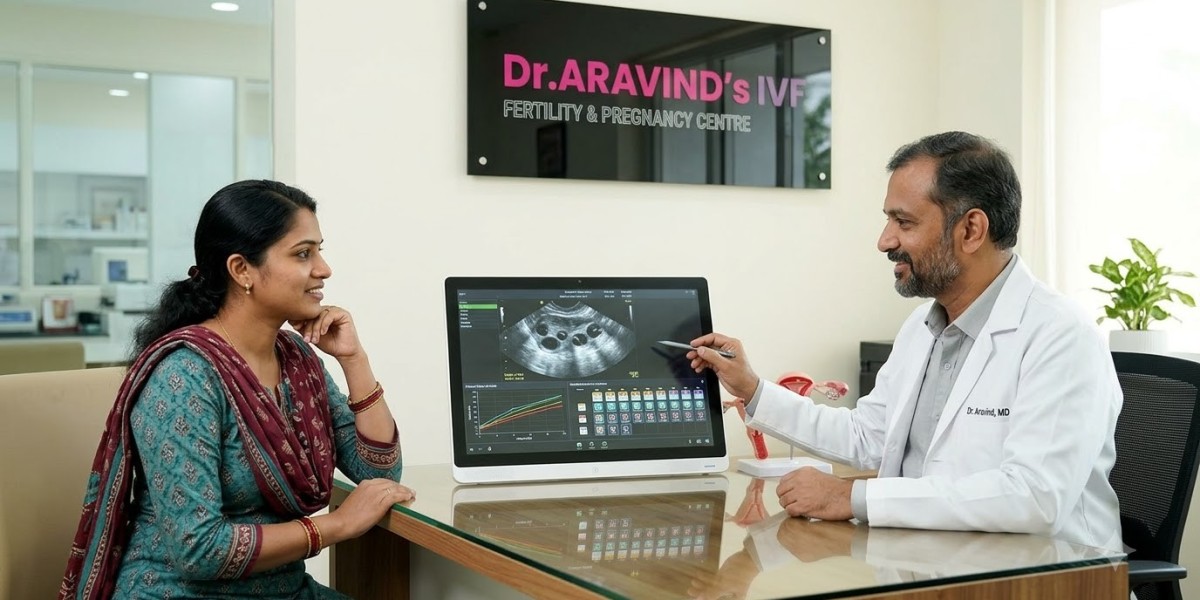

Ovulation is the process in which an ovary releases an egg, usually around the middle of the menstrual cycle. When ovulation is irregular or does not happen regularly, becoming pregnant may take longer. In such situations, medicines that help stimulate ovulation may be considered as part of fertility treatment. A Fertility Specialist in Calicut can first identify why ovulation is irregular and decide whether ovulation induction is appropriate.
What Is Ovulation Induction?
Ovulation induction uses fertility medicines to encourage the ovaries to develop and release an egg. It is commonly considered for women who have irregular or absent ovulation, including some women with PCOS.
The treatment is not suitable for every fertility problem. If the fallopian tubes are blocked, sperm-related problems are significant, or another condition is affecting conception, a different treatment approach may be recommended.
The purpose is therefore not simply to stimulate the ovaries but to select the right treatment based on the individual's fertility assessment.
Step 1: Initial Fertility Assessment
Before starting medication, the doctor usually reviews the menstrual cycle, previous pregnancies, medical history and how long the couple has been trying to conceive.
Depending on the situation, evaluation may include:
Pregnancy testing
Pelvic ultrasound
Assessment of ovulation
Hormonal blood tests when indicated
Ovarian reserve assessment in selected cases
Semen analysis for the male partner
Fallopian tube evaluation when clinically appropriate
This step helps identify whether irregular ovulation is actually the main reason for delayed conception.
Step 2: Choosing the Appropriate Medicine
The medicine depends on the cause of ovulatory difficulty and the individual's medical history.
Letrozole is commonly used for ovulation induction, particularly in women with PCOS.
Clomiphene citrate is another medicine that may be considered in selected patients.
Gonadotropins are injectable fertility medicines that directly stimulate follicle development. They require closer monitoring because the ovaries can sometimes produce several follicles.
These medicines should only be used under appropriate medical supervision. The choice and treatment schedule are not identical for everyone.
Step 3: Monitoring Follicle Development
Monitoring helps the fertility team understand how the ovaries are responding to medication.
Ultrasound may be performed during the cycle to assess the number and size of developing follicles. In some cases, blood tests may also provide information about hormone levels.
Monitoring is particularly important when injectable medicines are used. If too many follicles develop, the doctor may recommend changing or cancelling the cycle to reduce the risk of a multiple pregnancy.
The aim is to achieve an appropriate response rather than produce as many follicles as possible.
Step 4: Triggering Ovulation When Needed
When a follicle reaches an appropriate stage of development, a trigger injection may be recommended in selected treatment cycles.
This medication helps coordinate the timing of egg release. The healthcare team may then advise when intercourse or an IUI procedure should take place.
Not every ovulation-induction cycle requires a trigger injection. The decision depends on the medication used, follicle development and the overall treatment plan.
Step 5: Timed Intercourse or IUI
After ovulation is expected, couples may be advised to have intercourse during the fertile period.
In some situations, ovulation induction is combined with intrauterine insemination (IUI). During IUI, prepared sperm are placed directly inside the uterus around the time of ovulation.
The choice between timed intercourse and IUI depends on factors such as sperm quality, age, duration of infertility and previous treatment history.
For couples exploring treatment options, a Best IVF Hospital in Calicut may also evaluate whether simpler approaches are appropriate before moving toward more advanced assisted reproductive techniques.
Step 6: Pregnancy Testing
After ovulation and the recommended waiting period, a pregnancy test can determine whether conception has occurred.
If pregnancy does not occur, the response to the previous cycle is reviewed. The doctor may adjust the approach, investigate other factors or discuss another treatment option.
A failed cycle does not necessarily mean that future treatment will fail. Fertility outcomes depend on several factors, including age, egg and sperm quality and the underlying cause of infertility.
What Are the Possible Risks?
Ovulation medicines are generally used with careful monitoring, but they are not completely risk-free.
Possible concerns include:
Multiple pregnancy, particularly when several follicles develop
Ovarian hyperstimulation, especially with injectable medicines
Abdominal discomfort or bloating
Headache or other medication-related effects
Cycle cancellation when the ovarian response is too high
Ovarian hyperstimulation syndrome can sometimes become serious and requires medical attention. This is one reason fertility medicines should not be taken without professional supervision.
Who May Benefit From Ovulation Induction?
Ovulation induction may be useful when irregular or absent ovulation is contributing to infertility. It may be considered in some cases of PCOS and other ovulatory disorders.
However, fertility treatment should address the whole picture. A couple may have more than one contributing factor, such as reduced ovarian reserve, tubal problems or abnormal semen parameters.
If another condition is identified, treating that issue may be more appropriate than repeatedly stimulating ovulation.
Conclusion
Ovulation induction can be a useful treatment when difficulty releasing an egg is affecting conception. The process usually involves assessment, medication, follicle monitoring, possible ovulation triggering and timed intercourse or IUI.
Because the appropriate medicine and monitoring schedule vary between individuals, treatment should be planned after a proper fertility evaluation. If you have irregular periods, suspected ovulation problems or difficulty conceiving, Book an appointment with a qualified fertility specialist in Calicut to understand the cause and discuss suitable treatment options.