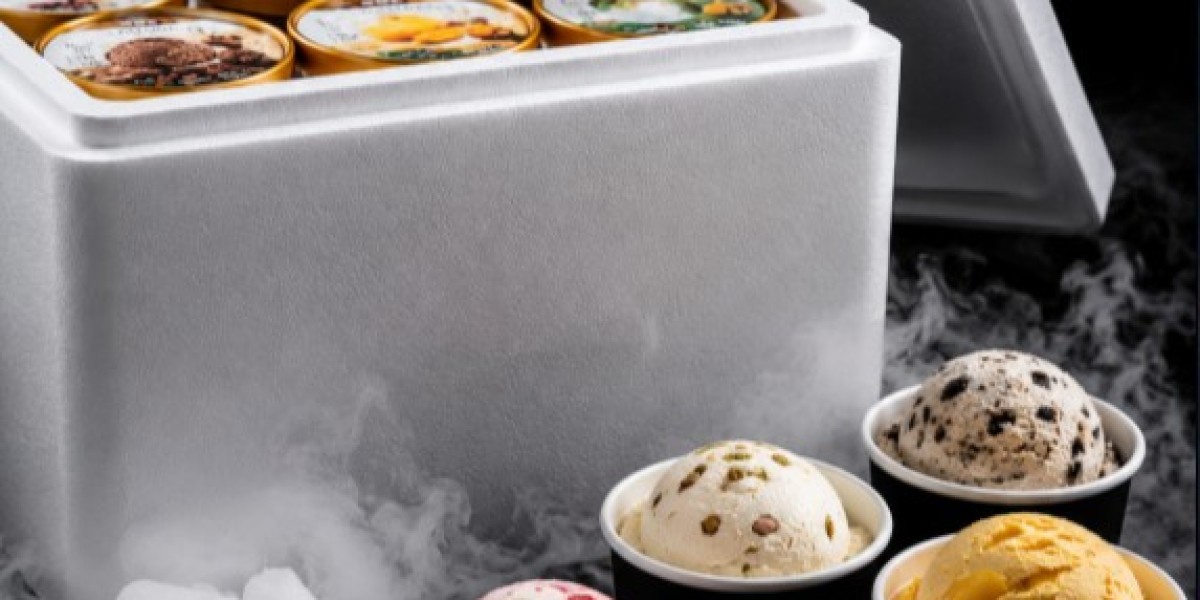

Understanding Ice Gel Packs
Ice gel packs are reusable cooling products designed to absorb and maintain low temperatures for a specific period. They generally contain a specialized gel or phase-change material enclosed in durable, leak-resistant packaging. Before use, the packs are typically frozen and then placed inside insulated boxes, coolers, or shipping containers.
Unlike ordinary ice, gel packs do not melt into a large amount of free water during normal use. This makes them particularly useful for transportation because they can provide cooling while helping keep packaging cleaner and easier to handle. Depending on their formulation, size, and surrounding insulation, gel packs can maintain suitable temperatures for different transportation requirements.
Why Temperature Control Matters During Transportation
Temperature fluctuations can negatively affect many products. Fresh food can spoil, medicines can lose their effectiveness, and certain cosmetic or laboratory products can experience changes in their physical or chemical properties. Even products that are not highly temperature-sensitive may have quality requirements that are easier to maintain with controlled cooling.
Transportation conditions can be unpredictable. Packages may spend several hours in warehouses, delivery vehicles, loading areas, or outdoor environments. During warmer months, the temperature inside a vehicle or storage area can rise significantly. Using suitable cooling materials helps reduce the impact of these environmental changes.
Ice gel packs provide a simple way to create a cooler environment inside insulated packaging. When properly prepared and positioned, they can help stabilize temperatures and provide an additional layer of protection throughout the delivery process.
Protecting Perishable Food Products
One of the most common applications of ice gel packs is the transportation of perishable foods. Meat, seafood, dairy products, fruits, vegetables, prepared meals, and other temperature-sensitive items may require cooling during delivery.
For food businesses offering home delivery, maintaining appropriate temperatures can be especially important. Gel packs can be placed around the products inside insulated containers to slow down temperature increases. The number and size of packs required will depend on factors such as the product quantity, packaging type, outside temperature, and expected delivery duration.
Proper packing is equally important. Gel packs should work together with insulated packaging rather than being treated as the only source of temperature control. A well-designed shipping system combines insulation, cooling materials, and appropriate handling procedures.
Supporting Pharmaceutical Transportation
Temperature-sensitive medicines and healthcare products require careful transportation because exposure to unsuitable temperatures may affect their quality. Ice gel packs can be used in certain cold-chain packaging systems to help maintain appropriate conditions during shipment.
However, pharmaceutical transportation requires more than simply adding frozen packs to a box. Different products have specific storage requirements, and some must remain within a narrow temperature range. Packaging design, temperature monitoring, pack conditioning, and validated shipping procedures should therefore be considered when transporting medical products.
For businesses dealing with temperature-sensitive healthcare items, selecting the appropriate cooling material is an important part of developing a reliable cold-chain process.
Ice Gel Packs Compared With Other Cooling Materials
Different transportation situations require different cooling solutions. Traditional wet ice can provide strong cooling, but melting water may create leakage and damage surrounding packaging. Gel packs can reduce this problem because they are sealed inside flexible containers.
Dry ice is another option that provides extremely low temperatures and can be useful for specialized shipments. Businesses searching for specialized cooling supplies may also research dry ice pellets Lahore when they need a different temperature-control method for particular transportation requirements.
The best option depends on the product's temperature requirements, shipping duration, packaging design, and handling conditions. Gel packs are often attractive because they are reusable, convenient to store, and relatively easy to integrate into standard insulated shipping systems.
Choosing the Right Ice Gel Packs
Not all gel packs provide identical performance. Selecting the right product requires consideration of several factors.
Size and Quantity
The size of the shipping container and the amount of product being transported influence the number of packs needed. Larger shipments may require multiple packs positioned strategically around the products.
Cooling Duration
Different gel packs can provide different cooling durations. Businesses should consider the expected transportation time and possible delays before choosing a suitable product.
Packaging Compatibility
Gel packs should be compatible with the shipping container and insulation material. They should not place excessive pressure on fragile products or create unnecessary condensation inside the package.
Reusability
Reusable gel packs can be particularly valuable for businesses that make frequent temperature-controlled deliveries. After use, they can be returned to a suitable freezer or cold-storage facility and prepared for the next shipment.
Proper Placement Inside Shipping Containers
Correct placement can significantly affect cooling performance. Simply putting all the packs on top of the products may not provide uniform temperature control.
Depending on the packaging design, packs can be positioned around the sides, above, or below the products. The goal is to distribute cooling as effectively as possible while preventing direct contact with products that could potentially be damaged by excessive cold.
Using an insulated liner or shipping box can further improve performance. Insulation reduces the transfer of external heat and allows the cooling packs to remain effective for longer periods.
Preparing Gel Packs Before Shipment
Proper preparation is another important part of safe product transportation. Gel packs should be frozen according to the manufacturer's instructions. Freezing conditions can affect how effectively a pack performs during shipment.
Businesses should also establish consistent packing procedures. Staff should know how many packs to use, where to place them, and how to seal the shipping container. Consistency helps reduce mistakes and creates a more reliable transportation process.
For sensitive products, temperature monitoring devices can also be used to verify whether the shipment remained within the required temperature range throughout its journey.
Reducing Product Loss and Transportation Costs
Temperature-related product damage can result in financial losses. Spoiled food, compromised medicines, or damaged temperature-sensitive goods may need to be discarded or replaced. This can increase operating costs while also damaging customer confidence.
Using appropriate cooling solutions can help businesses reduce these risks. Although gel packs represent an additional packaging expense, their reusable nature can make them a cost-effective choice for companies that regularly ship temperature-sensitive products.
Environmental and Operational Benefits
Reusable ice gel packs can also support more efficient packaging practices. Instead of relying on single-use cooling materials for every shipment, businesses can reuse suitable gel packs multiple times. This may reduce the amount of cooling material discarded after each delivery.
Their compact design also makes them relatively easy to store and organize. Companies can maintain an inventory of frozen packs and prepare shipments according to daily delivery requirements.
Conclusion
Ice gel packs play an important role in safe product transportation by helping control temperatures and protect sensitive goods during delivery. They are useful for food, pharmaceuticals, cosmetics, laboratory materials, and other products that may be affected by temperature fluctuations.
Their effectiveness depends on choosing the appropriate pack, using adequate insulation, preparing the packs correctly, and placing them properly inside shipping containers. For more demanding applications, other cooling solutions may be appropriate depending on the required temperature range and transportation conditions.
Ultimately, successful temperature-controlled transportation is based on combining the right cooling material with suitable packaging and careful handling. When these elements work together, businesses can improve product protection, minimize temperature-related losses, and deliver goods to customers in better condition.