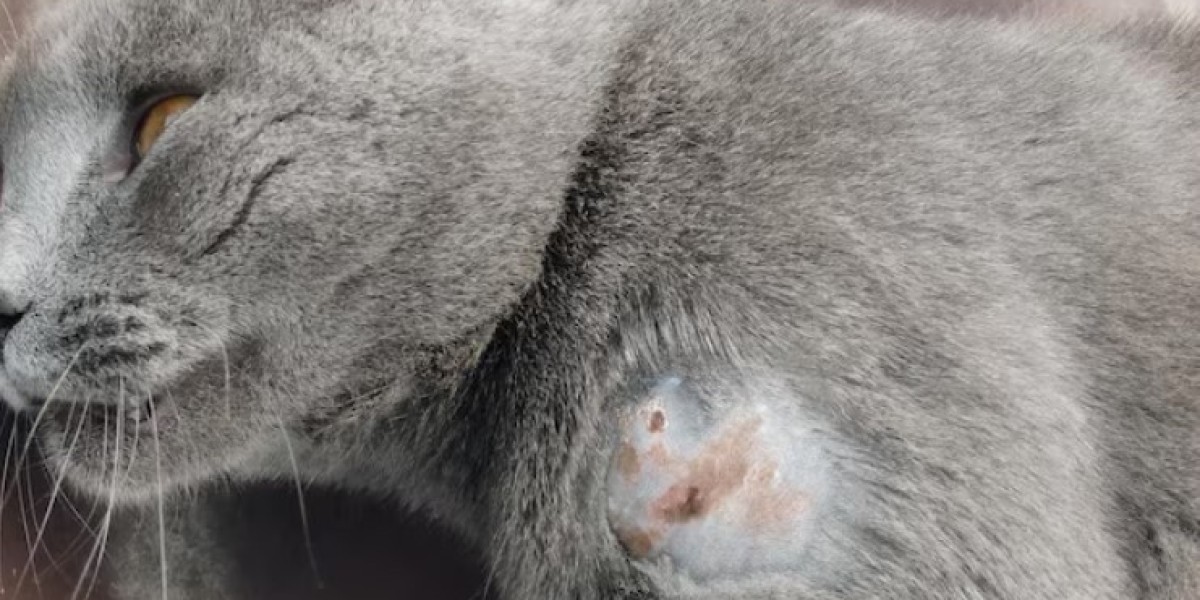

Cat Wound Treatment: How to Care for Your Cat’s Injury
Cats can get wounds from fights, scratches, accidents, rough play, or outdoor activities. While some injuries are minor, others can become infected and may require veterinary care. Knowing how to recognize different wounds and provide basic care can help cat owners respond appropriately.
Understanding Cat Wounds
Cat wounds can appear in many forms, including scratches, cuts, punctures, bites, and skin abrasions. A small scratch may only affect the surface of the skin, while a puncture wound can push bacteria deep into the tissue.
Cat bites are especially important because the wound may look small on the outside while an infection develops underneath the skin. Swelling, warmth, pain, or discharge can appear later.
First Steps for Cat Wound Treatment
If your cat has a minor wound, start by keeping the animal calm. Wash your hands before touching the injured area and carefully examine the wound.
Gently rinse a small wound with sterile saline or clean lukewarm water. This can help remove dirt and other surface debris. Avoid aggressive rubbing because it may irritate the damaged skin.
For a minor injury, Cat wound treatment can include gentle cleaning, protecting the affected area, and monitoring your cat during the healing process.
How to Keep the Wound Clean
Keeping the wound clean is important while it heals. Check the area regularly for dirt, discharge, increasing redness, or swelling.
Do not repeatedly touch the wound with unwashed hands. Use clean gauze when necessary and avoid applying household products that have not been recommended for cats.
If the wound becomes dirty again or your cat develops new symptoms, contact a veterinarian for guidance.
Prevent Your Cat From Licking the Injury
Cats often lick areas that hurt or feel irritated. Unfortunately, excessive licking can slow healing and may introduce bacteria into the wound.
If your cat constantly tries to lick or scratch the injury, a veterinarian may recommend an Elizabethan collar or another protective option. Keeping your cat from disturbing the wound can give the damaged skin time to recover.
Signs of an Infected Cat Wound
An infection can develop after a bite, puncture, or other injury. Watch the wound carefully for signs such as increased redness, swelling, warmth, pus, unusual discharge, or a bad smell.
Your cat may also become less active, lose interest in food, hide more often, or appear uncomfortable when the affected area is touched.
These signs should not be ignored. Contacting a veterinarian can help determine whether additional treatment is necessary.
When a Cat Needs Veterinary Care
Not every wound is suitable for home care. Deep cuts, severe bites, puncture wounds, burns, wounds near the eyes, and injuries with heavy bleeding should be assessed by a veterinarian.
You should also seek veterinary advice if bleeding does not stop, the wound becomes larger, swelling increases, or your cat appears sick or unusually painful.
Early veterinary attention can be particularly important for cat bites because bacteria can become trapped beneath the skin.
What You Should Not Put on a Cat Wound
Pet owners should avoid using human medications or strong household products on cat wounds unless a veterinarian specifically recommends them.
Products such as rubbing alcohol, hydrogen peroxide, essential oils, and human pain medications may cause problems for cats. Even products that are safe for people are not necessarily safe for pets.
For basic cleaning of a minor wound, sterile saline or clean lukewarm water is generally a better choice.
Monitoring Your Cat During Recovery
Keep checking the wound as it heals. Look for gradual improvement in redness, swelling, and sensitivity.
Taking a daily photograph can also help you notice whether the wound is changing. If the injury looks worse instead of better, contact your veterinarian.
The recovery period depends on the type and severity of the wound. Small surface injuries may heal relatively quickly, while deep or infected wounds can require more extensive care.
Final Thoughts
A cat wound should always be taken seriously, even when it initially looks minor. Gentle cleaning, preventing excessive licking, and regular monitoring can help with basic care for appropriate minor injuries.
However, deep wounds, bites, punctures, heavy bleeding, and possible infections require professional veterinary attention. When you are unsure about your cat's injury, contacting a veterinarian is the safest way to determine the appropriate treatment.