
Badminton can be an enjoyable way to stay active while combining movement, coordination, and recreation. Whether someone plays casually with friends or participates more regularly, a game can involve quick changes in direction, reaching, lunging, turning, standing, and repeated arm movements.
These demands may become more noticeable when a person has stiffness, weakness, limited mobility, or reduced endurance. Even recreational play can require the body to respond quickly and repeatedly throughout a session.
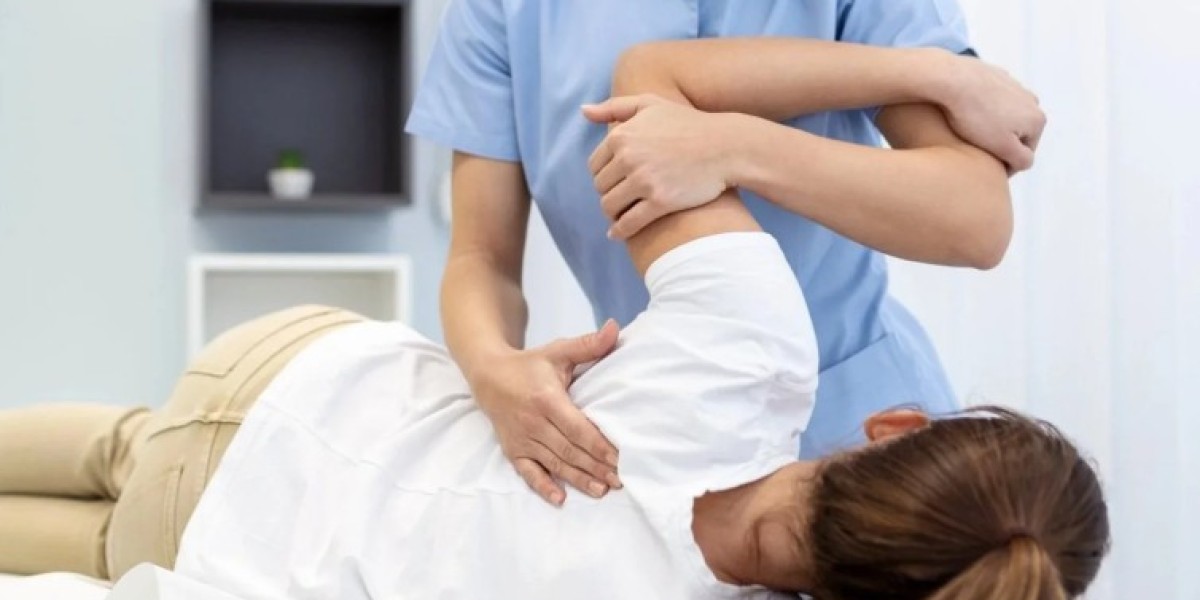
San Ramon Physical Therapy can help individuals work on movement abilities that support recreational activities such as badminton. A personalized approach can connect physical therapy with the specific movements a person wants to perform comfortably.
San Ramon Physical Therapy for Badminton Movement
Badminton involves much more than swinging a racket.
Players move around the court to reach the shuttlecock, adjust their position, extend the arm, bend the knees, and recover after each shot. These movements may happen repeatedly during a game.
The physical requirements can vary based on playing style, experience, court time, and individual abilities.
For someone considering San Ramon Physical Therapy, identifying the recreational activities they want to continue can help make movement goals more practical and meaningful.
Understanding the Physical Demands of Badminton
A badminton session can involve several movement patterns at the same time.
Players may move forward, backward, and side to side while repeatedly reaching with the upper body. Quick adjustments may also require balance and coordination.
The combination of these movements can place demands on the legs, hips, trunk, shoulders, and arms.
Understanding the complete activity can be useful when identifying areas that may benefit from additional attention.
Physical therapy can address relevant strength, mobility, balance, and movement-control needs according to an individual's goals.
Improving Lower-Body Strength for Court Movement
The legs provide an important foundation for moving around the badminton court.
Players may need to step quickly toward the shuttlecock, lower the body to reach a low shot, or push away from one direction to move toward another.
When lower-body strength is limited, repeated court movement may become more tiring.
A personalized strengthening program can target movement patterns that are relevant to the individual's activities.
Progress can be adjusted according to current abilities rather than applying the same exercise routine to everyone.
Supporting Hip and Knee Mobility
Badminton can require repeated bending and lowering of the body.
A player may need to flex the hips and knees while reaching toward a lower shot and then return to a more upright position.
Adequate mobility can contribute to comfortable movement during these tasks.
For individuals seeking San Ramon Physical Therapy, an assessment can help determine whether hip or knee mobility is relevant to their recreational goals.
Exercises can then be selected based on individual movement needs and physical capacity.
San Ramon Physical Therapy for Balance and Coordination
Balance becomes important whenever a player changes direction or reaches away from the body's center.
A person may need to extend one leg, reach with the racket, and then recover into a stable position.
Coordination also helps the body work through multiple movements in sequence.
When balance or coordination affects recreational participation, physical therapy may include exercises designed to address those specific needs.
The difficulty can be progressed gradually as movement control improves.
Building Shoulder and Arm Support
Badminton involves frequent racket movements.
Serving, returning shots, and reaching overhead can place repeated demands on the shoulder and arm.
Someone who plays for an extended period may notice that upper-body fatigue becomes more apparent as the session continues.
A personalized approach can consider current shoulder mobility, upper-body strength, activity frequency, and recreational goals.
At Ironhorse Physical Therapy & Pilates,** **movement-focused care can be connected with functional activities and individual physical goals.
Preparing for Repeated Reaching
Reaching is a common part of badminton.
Players may extend the arm forward, sideways, or overhead depending on where the shuttlecock travels.
Although an individual reach may feel manageable, repeating the movement throughout a game can create greater physical demand.
Gradually developing the strength and mobility needed for repeated reaching may help support recreational participation.
The appropriate exercises depend on the person's current movement abilities and specific goals.
Supporting Trunk Rotation During Play
Badminton can involve turning and rotating the trunk while the arms move to strike the shuttlecock.
The trunk helps connect movement between the lower and upper parts of the body.
When trunk mobility or control is limited, certain shots or changes in direction may feel more difficult.
Physical therapy may address trunk mobility and control when these areas are relevant to an individual's movement assessment.
The focus can remain on practical movement rather than isolated exercises alone.
Managing Quick Changes in Direction
One of the more physically demanding aspects of badminton can be moving from one part of the court to another.
A player may step in one direction and then quickly adjust when the shuttlecock changes position.
These movements require coordination, balance, and lower-body control.
Someone returning to badminton after a period of inactivity may benefit from gradually rebuilding these abilities rather than immediately attempting a long or intense session.
A progressive approach can help match activity demands with current physical capacity.
Building Endurance for Longer Games
Badminton can involve repeated movement over the course of a full session.
Even recreational players may spend considerable time standing, moving around the court, recovering between shots, and repeating upper- and lower-body movements.
If endurance is limited, fatigue may develop before the person is ready to stop playing.
Gradually improving activity tolerance can support longer periods of recreational movement.
The pace of progression should reflect individual abilities and how the body responds to activity.
Returning to Badminton After an Injury
An injury may temporarily prevent someone from participating in recreational sports.
Once basic daily movement improves, returning to a sport may still require additional preparation.
Badminton involves bending, reaching, turning, stepping, and repeated arm movements, so a gradual return may be appropriate.
A person may begin with shorter sessions or less demanding movement before progressing toward normal recreational participation.
The right progression depends on the injury, recovery stage, and individual's physical condition.
At Ironhorse Physical Therapy & Pilates, Inc., individualized physical therapy can be connected with personal movement goals and desired activities.
Preparing for Recreational Play With Friends
Recreational badminton is often a social activity.
Someone may want to participate casually with friends without training for competitive performance.
In this situation, physical preparation can focus on practical goals such as moving comfortably around the court, tolerating repeated activity, and recovering between points.
The objective can be participation rather than athletic specialization.
San Ramon Physical Therapy can help individuals connect their movement goals with the activities they want to enjoy.
Making Activity Progress Gradually
Increasing activity too quickly can make a recreational session feel more demanding than expected.
A gradual progression can provide an opportunity to build movement tolerance over time.
Someone who has not played badminton recently might begin with shorter sessions and allow time for recovery before increasing duration or frequency.
Listening to the body's response and adjusting activity appropriately can be useful during a return to recreation.
Individual guidance may be particularly helpful when previous pain or injury has affected activity levels.
Recognizing When Professional Guidance May Help
Occasional tiredness after playing badminton can be normal.
However, persistent pain, recurring discomfort, weakness, restricted movement, or balance difficulties that repeatedly interfere with recreational activity may warrant professional evaluation.
An assessment can help identify movement limitations and determine whether physical therapy may be appropriate.
Professional guidance can also be useful for individuals returning to badminton after an injury or an extended period away from physical activity.
Supporting Recreation in the San Ramon Area
Recreational activities can add movement and enjoyment to everyday life.
For people in the San Ramon area, badminton can provide an accessible way to stay active while spending time with friends or family.
Maintaining the mobility, strength, coordination, and endurance needed for recreation can make it easier to continue participating in activities that matter.
San Ramon Physical Therapy can support individuals who want to address movement limitations while working toward meaningful recreational goals.
Conclusion
Badminton combines quick court movement, reaching, bending, turning, balance, coordination, and repeated arm activity. These demands can become challenging when someone has reduced strength, mobility, endurance, or movement control.
San Ramon Physical Therapy can help individuals work on relevant physical abilities while connecting treatment goals with recreational activities they want to continue enjoying.
For people in and around San Ramon, Ironhorse Physical Therapy & Pilates, Inc. can provide individualized movement-focused care based on personal needs, physical abilities, and meaningful activity goals.
With an appropriate approach to strength, mobility, balance, and activity progression, individuals can work toward participating in recreational badminton more comfortably and confidently.