
Buying your first church robes can be confusing when you are unsure which style, color, fabric, or length fits your church role. Many buyers struggle to tell a cassock from an alb, surplice, chasuble, choir gown, or preaching robe. Choosing the wrong garment can waste money and may not match your church tradition or service requirements. Poor sizing can also make long worship services uncomfortable. The solution is to understand each robe type, compare its purpose, check the fit and fabric, and follow your church tradition before making a purchase.
Understanding Church Robes
Church robes are formal garments used during worship, preaching, ceremonies, processions, and other religious activities. Their designs depend on denomination, ministry position, and service requirements. Catholic, Anglican, Lutheran, Orthodox, and Protestant churches may follow different clothing traditions. Some garments are simple and practical, while others have special colors, embroidery, or symbolic details. Before choosing a robe, buyers should understand its intended purpose. This makes it easier to find suitable clothing instead of selecting a garment based only on its appearance or price.
Common Robe Styles
Several traditional garments fall under the wider category of church robes. Each one has a different shape and purpose. A cassock is usually long and fitted, while an alb is generally white and loose. A surplice is commonly worn over a cassock, and a chasuble is an outer vestment associated with Mass. Protestant churches may use preaching or pulpit gowns instead. Learning these names helps first-time buyers understand product descriptions and compare garments more accurately before making a purchase.
Traditional Cassock Design
A cassock is a long garment traditionally connected with clergy, seminarians, servers, and other church roles. Its exact use depends on denomination and local practice. Black is common, although other colors can appear for particular positions or traditions. The garment may feature buttons running down the front and a close-fitting shape. When exploring church robes, beginners should check whether a cassock is expected for their role. They should also consider length, sleeve design, fabric weight, and closure style before ordering one for regular or ceremonial use.
White Alb Features
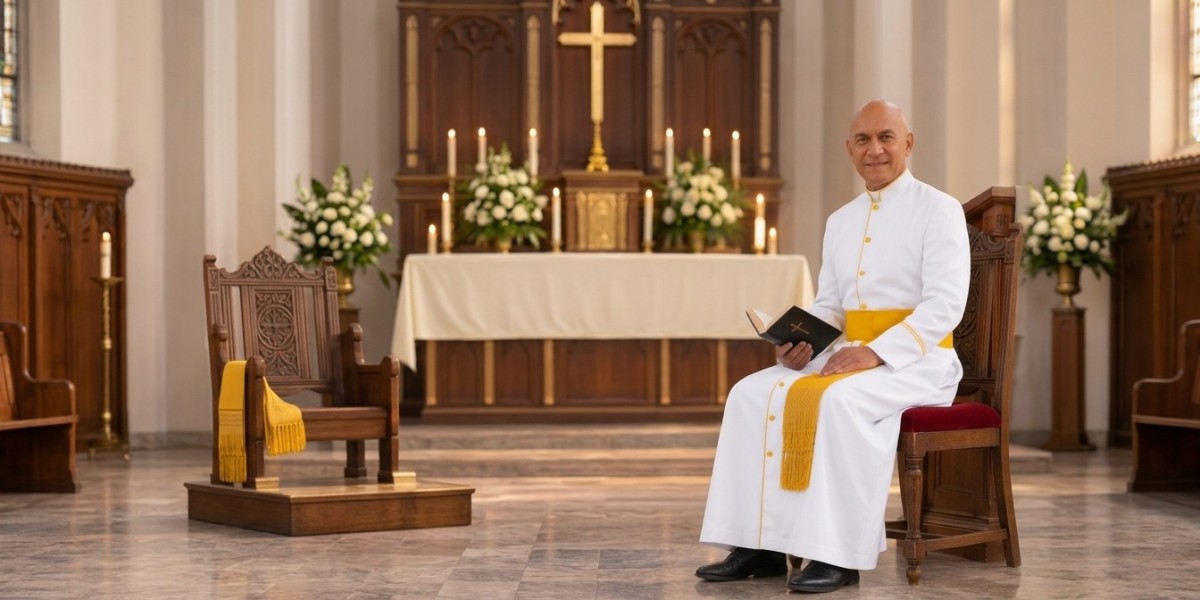
An alb is a long white garment used during worship in several Christian traditions. It normally has sleeves and extends toward the ankles, creating a clean and formal appearance. A cincture may be worn around the waist to provide a better fit. The alb should not automatically be confused with every white religious garment because different styles have different purposes. Buyers interested in church robes should examine the neckline, sleeves, length, fabric, and intended service before choosing an alb for their church ministry.
Surplice Style Guide
A surplice is usually a loose white garment worn over another garment, often a cassock. It is associated with clergy, servers, and choir members in several Western Christian traditions. Its roomy construction supports movement during worship and processions. The style is different from an alb and should be selected according to church practice. First-time shoppers comparing church robes should carefully read product descriptions because sellers may offer several similar-looking white garments. Checking measurements and intended use can help buyers avoid choosing the wrong style.
Chasuble For Worship
A chasuble is an outer liturgical vestment traditionally worn by priests during Mass. It is placed over other garments and may appear in colors connected with different parts of the liturgical calendar. Common colors include white, green, red, and purple, although practices can vary. The garment is highly connected with Catholic liturgical tradition. Anyone purchasing church robes for Catholic worship should first understand when a chasuble is required and which color is appropriate for the particular celebration or season.
Preaching Robe Options
Preaching gowns are commonly associated with Protestant and other Christian ministry traditions. Their design can include flowing fabric, wide sleeves, velvet panels, or simple academic-inspired details. These garments are generally intended for preaching and formal worship rather than the same liturgical functions associated with Catholic vestments. A buyer searching for church robes should identify the denomination and ministry role before selecting a preaching gown. This helps ensure that the chosen garment matches the church setting and creates a suitable appearance at the pulpit.
Choosing Suitable Fabric
Fabric has a direct effect on comfort, appearance, durability, and maintenance. Ministers who stand for long services may prefer lightweight or breathable materials, especially in warmer climates. Polyester blends can provide durability and easier care, while natural fabrics can offer a different texture and appearance. Buyers should consider how often the garment will be worn and how it will be cleaned. When comparing church robes, fabric should be evaluated alongside climate, service length, maintenance needs, and budget instead of focusing only on visual appeal.
Checking The Right Fit
A suitable fit allows natural movement during worship, preaching, walking, kneeling, and ceremonies. A garment that is too short may look unsuitable, while excessive length can become difficult to manage. Sleeve length also deserves attention because ministers often move their arms while reading Scripture or preaching. Use the seller's measurement chart instead of relying only on your normal clothing size. For first-time church robes buyers, accurate measurements can make a major difference in comfort, appearance, and overall satisfaction after the garment arrives.
Comparing Important Details
Small construction features can affect how a robe performs over time. Buyers should inspect these details before placing an order:
Length: Check the expected length for your ministry role.
Sleeves: Choose sleeves that allow comfortable movement.
Neckline: Make sure it works with your clerical clothing.
Closure: Review buttons, zippers, snaps, or other fasteners.
Fabric: Consider weight, comfort, climate, and durability.
Sizing: Compare your measurements with the seller's chart.
Care: Review washing, drying, ironing, and storage instructions.
These details make it easier to compare church robes based on practical needs rather than attractive product photographs alone.
Selecting Appropriate Colors
Color often has a strong connection with Christian tradition and worship. Black is frequently associated with cassocks and some choir garments, while white is common for albs and surplices. Purple, green, red, and white may have specific liturgical meanings in traditions that follow a liturgical calendar. However, color practices are not universal. Buyers should follow their denomination and local church guidelines. Choosing the correct color can help maintain a respectful and consistent appearance during worship, ceremonies, and other important church occasions.
Understanding Catholic Attire
Catholic priest attire includes different garments for different situations. Everyday clerical clothing is different from the vestments used during Mass and other liturgical celebrations. A priest may wear a cassock, clerical shirt, alb, stole, chasuble, or other garments depending on the occasion. Each piece has a specific role within Catholic tradition. Buyers should therefore identify the exact garment needed before shopping. Asking a priest, parish administrator, or sacristan can also prevent mistakes when selecting formal clothing for Catholic services.
Reviewing Service Requirements
The intended service should always influence your buying decision. A garment suitable for choir members may not be appropriate for a priest celebrating Mass. Similarly, a preaching gown may suit a pulpit service but may not replace traditional liturgical vestments. Before buying church robes, consider whether the garment is intended for Sunday worship, preaching, choir service, processions, baptism, weddings, funerals, or another ceremony. Knowing the occasion helps narrow the available choices and makes the shopping process much more straightforward.
Planning Your Buying Budget
Prices for religious garments can vary according to material, construction, decoration, customization, and brand. A basic preaching gown may have a different price from a detailed liturgical vestment. Buyers should consider long-term use rather than choosing the cheapest available option. A well-made garment may remain useful for many services and require fewer replacements. When comparing church robes, look at fabric quality, stitching, sizing support, care requirements, and return policies alongside the listed price to make a balanced purchasing decision.
Maintaining Robes Properly
Proper care can preserve the appearance and shape of religious garments. Always follow the manufacturer's care instructions because fabrics may have different washing and ironing requirements. Some garments may require gentle washing or professional cleaning. Store clean robes in a dry area and use suitable garment storage to protect them from dust and moisture. Heavily decorated pieces should receive extra care during folding and storage. Good maintenance helps church robes remain presentable and useful for regular services over a longer period.
Avoiding Common Buying Errors
First-time shoppers often choose garments based mainly on photographs, color, or price. This approach can create problems if the Catholic priest attire does not fit properly or does not match church tradition. Another common mistake is confusing an alb with a surplice or a preaching gown with a liturgical vestment. Buyers should always confirm the garment's purpose, measurements, fabric, and care instructions. Taking these simple steps before ordering can reduce returns and help ensure the garment is suitable for its intended ministry setting.
Checking Features Before Purchase
A careful buyer should review several points before completing an online order. These checks can make the final decision easier:
Purpose: Match the garment with your ministry role.
Tradition: Follow your denomination's clothing practices.
Comfort: Consider long services and regular movement.
Measurements: Use your actual body measurements.
Material: Select fabric suited to your climate.
Construction: Check seams, closures, sleeves, and finishing.
Maintenance: Confirm the required cleaning method.
Durability: Consider how frequently the garment will be worn.
Budget: Balance price with expected service life.
Delivery: Allow enough time before an important ceremony.
Reviewing these points before purchasing church robes can help first-time buyers make a more informed and practical choice.
Making A Confident Choice
Choosing the right religious garment becomes easier once you understand its purpose, tradition, fabric, fit, and care requirements. First-time buyers should begin by identifying their ministry role and the type of service where the garment will be worn. From there, compare suitable styles and focus on quality and comfort. Whether you need a cassock, alb, surplice, chasuble, choir gown, or preaching robe, the right garment should support your ministry while respecting church traditions. Careful research can make your first purchase simple, practical, and confident.
Final Buying Guidance
The best church robes are not always the most decorated or expensive options. A good choice should match the wearer's role, church tradition, service requirements, comfort needs, and available budget. First-time buyers should understand the garment before selecting its color or design. Accurate measurements, suitable fabric, quality construction, and proper care can make the purchase more valuable over time. By considering these factors, you can choose formal church clothing that looks appropriate, feels comfortable, and supports your responsibilities during worship and ministry.